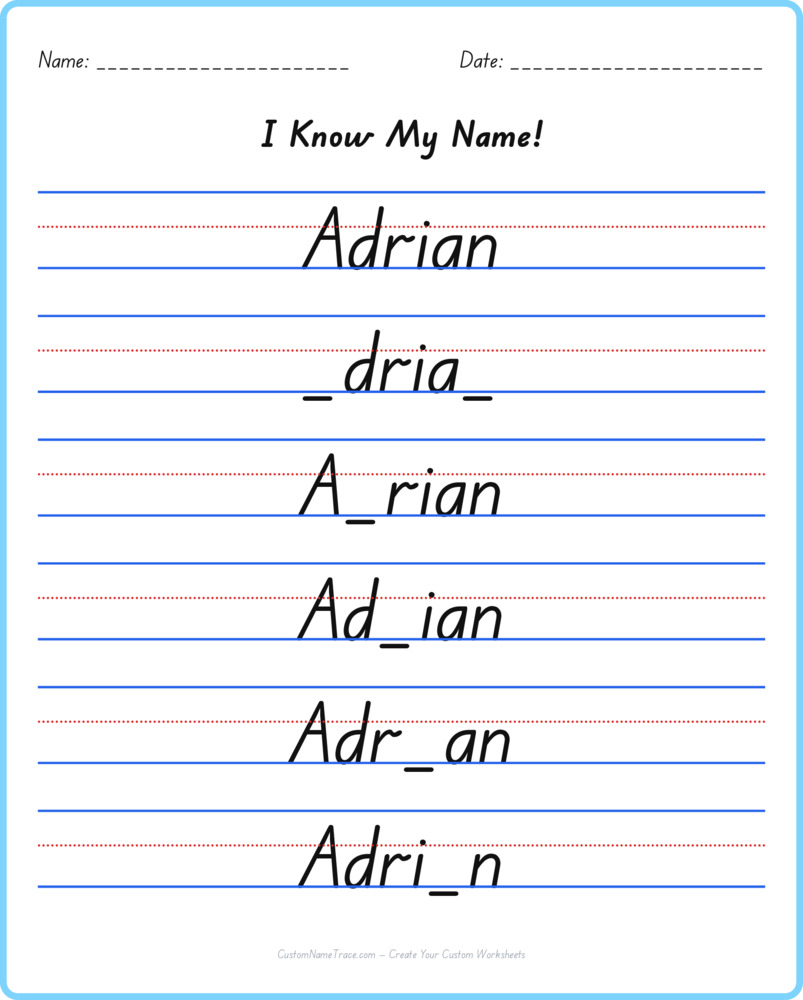
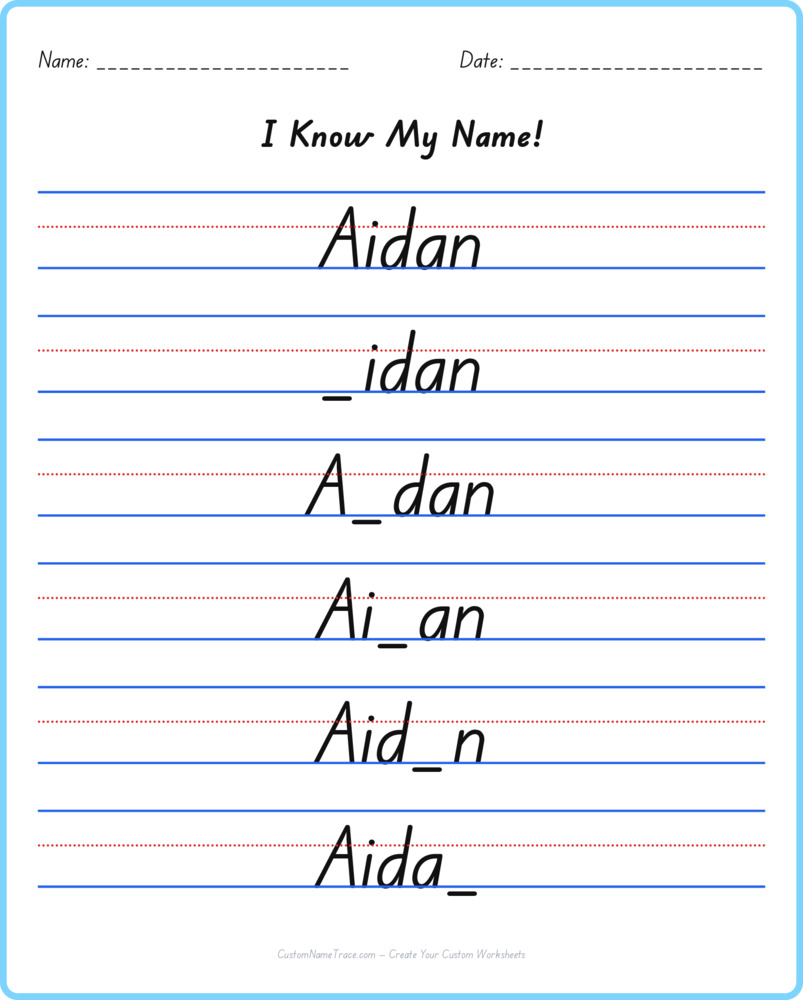
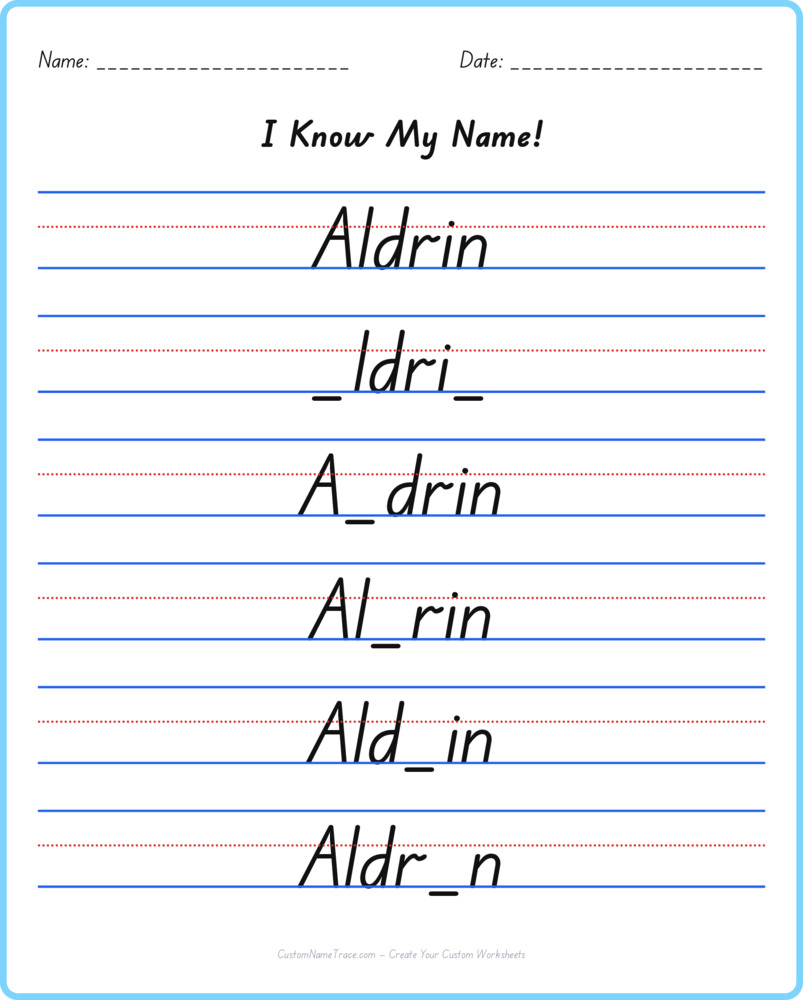
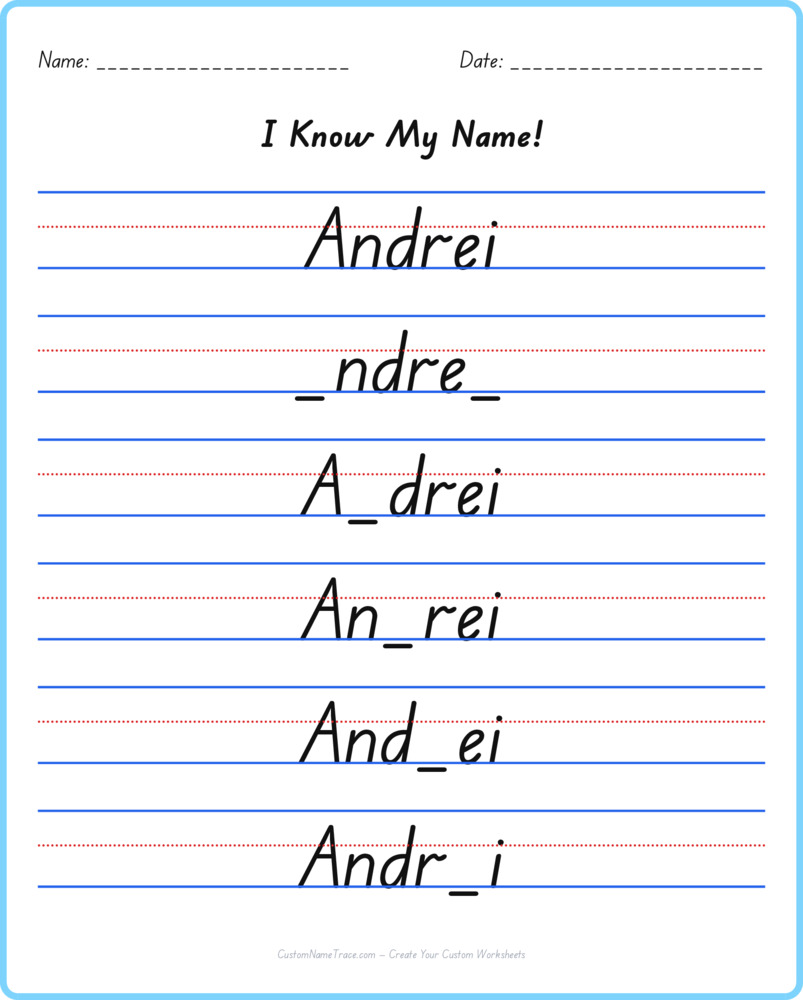
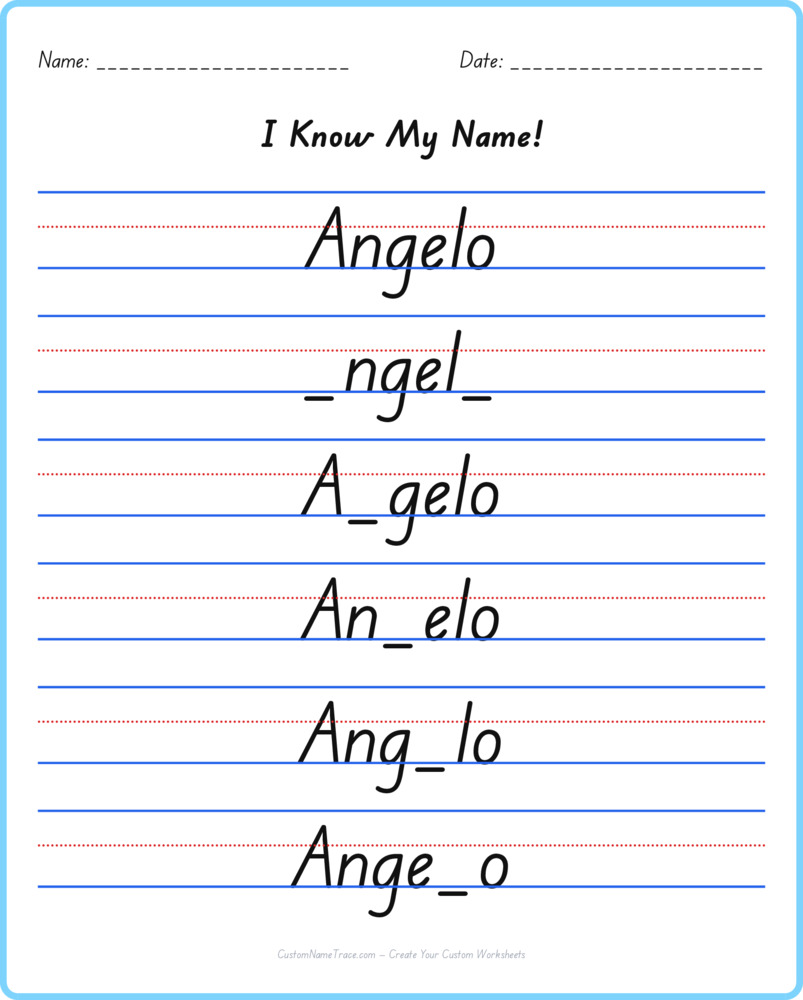
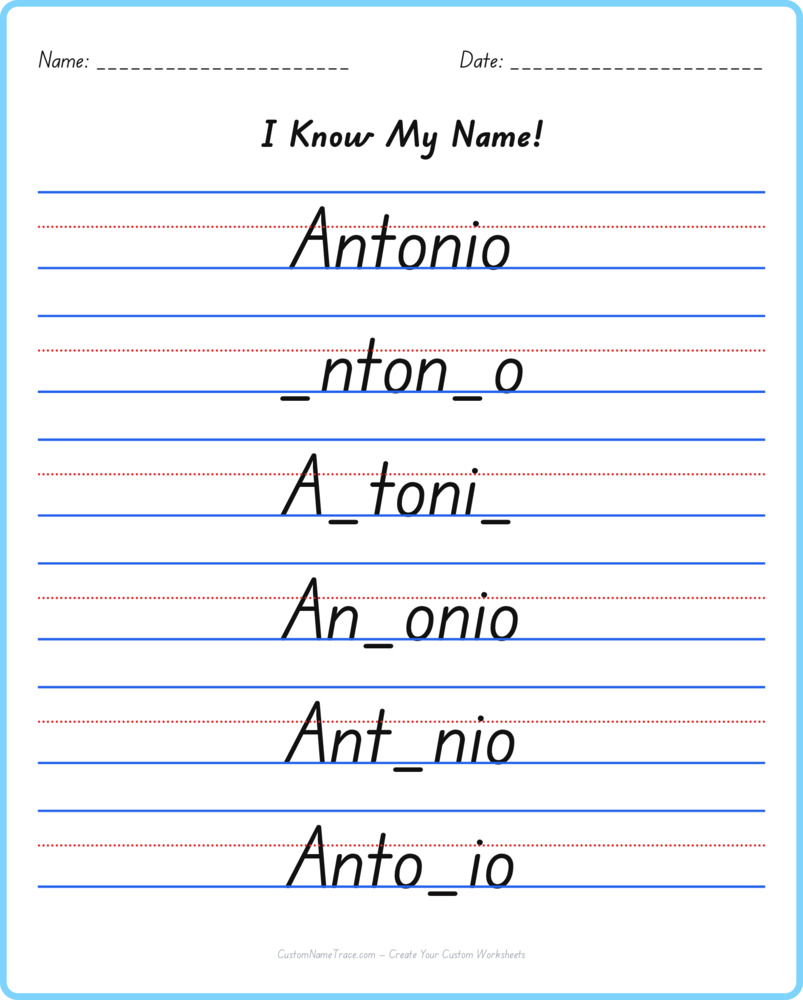

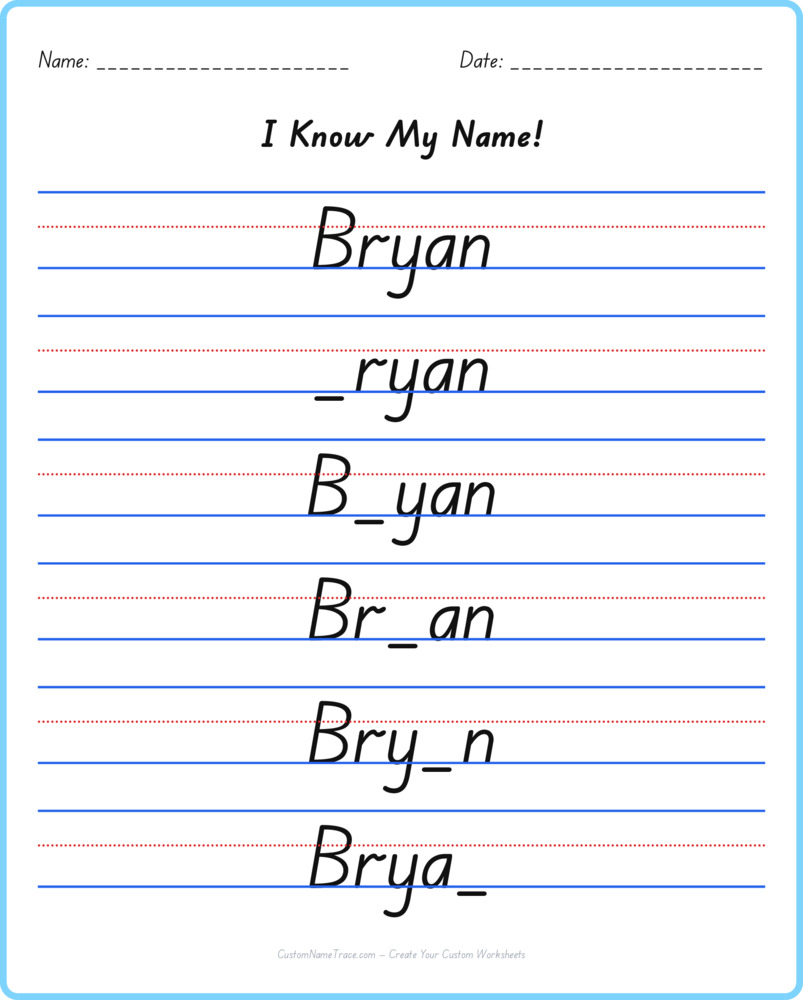
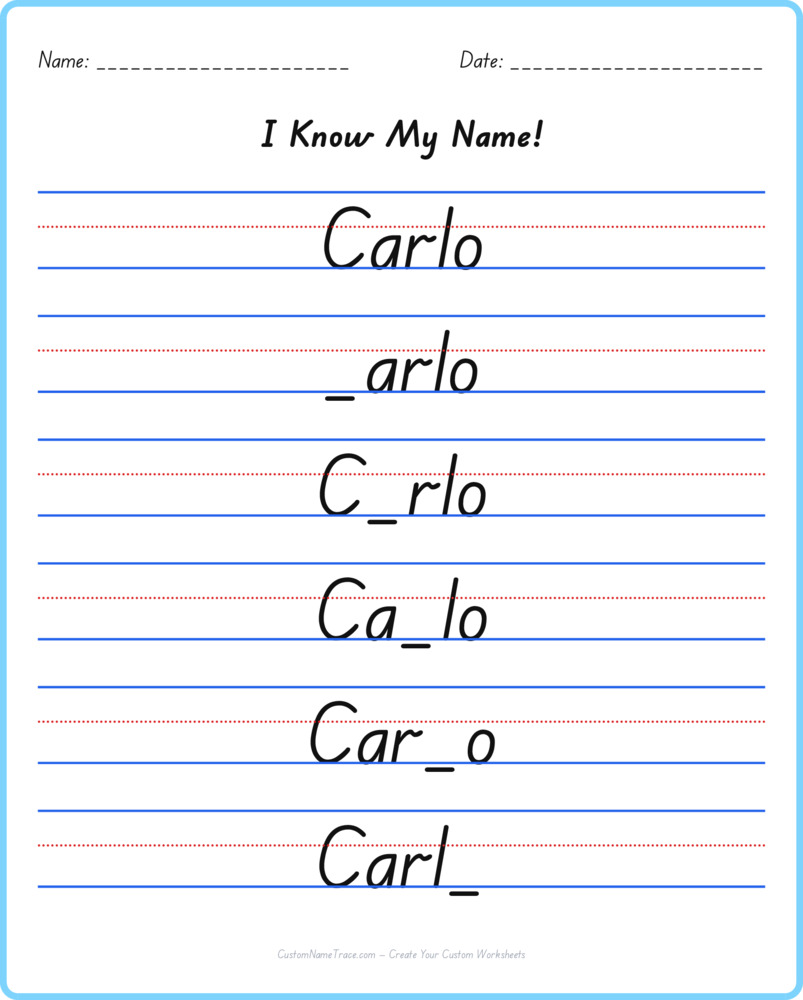
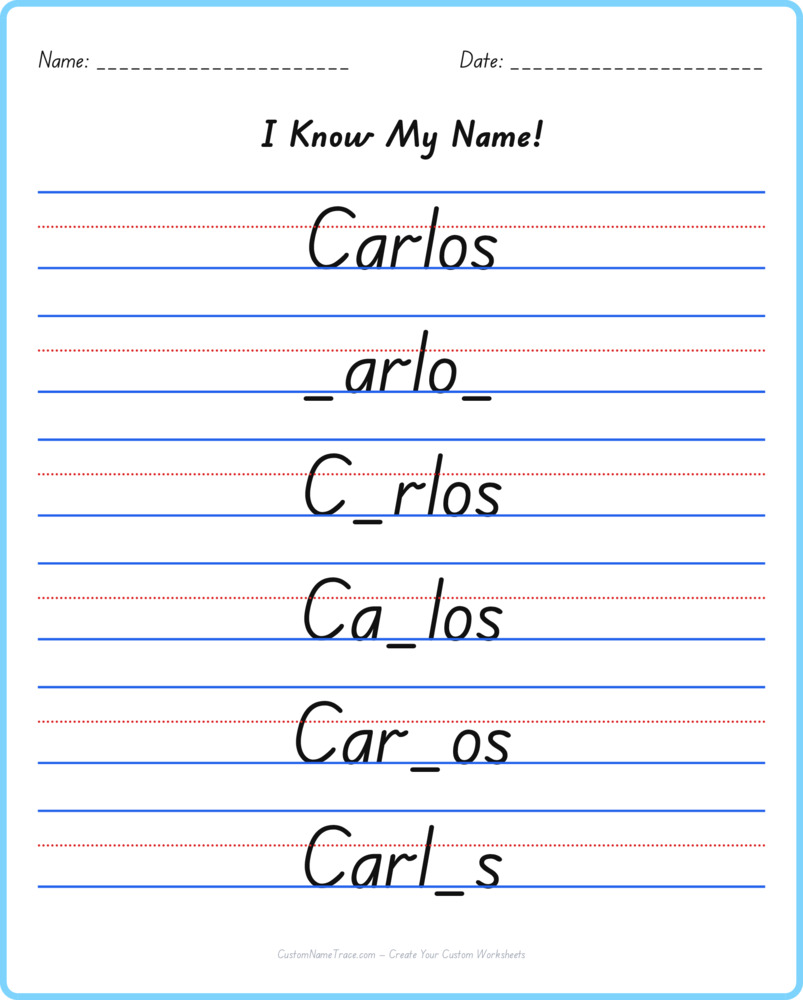
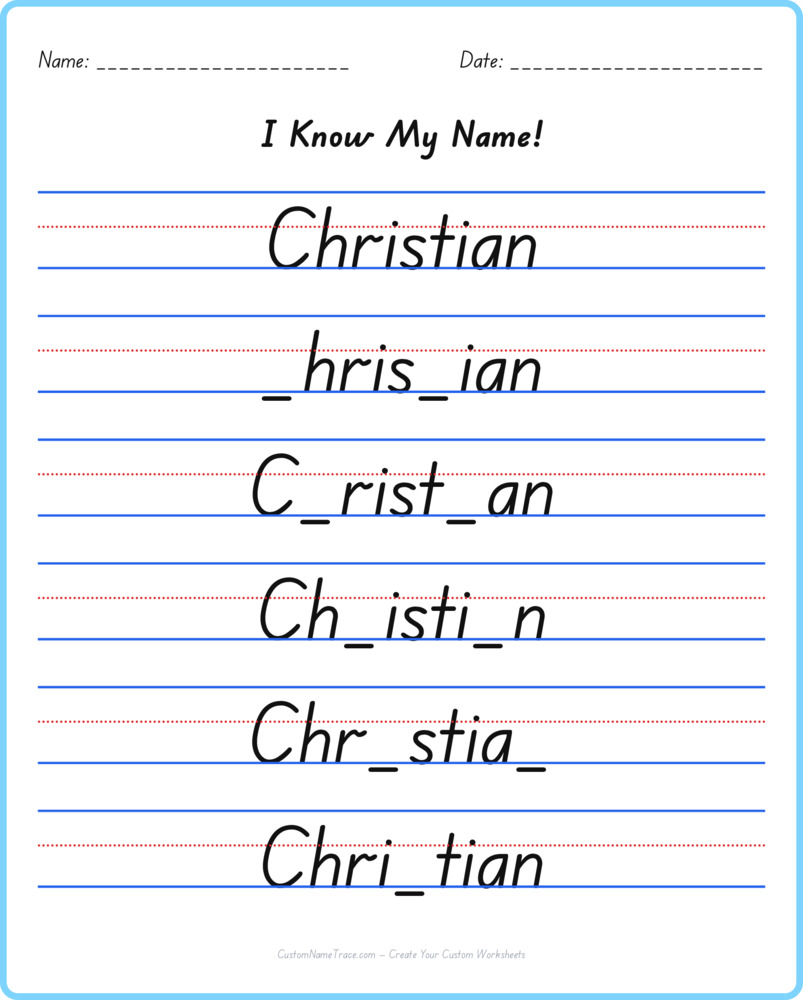
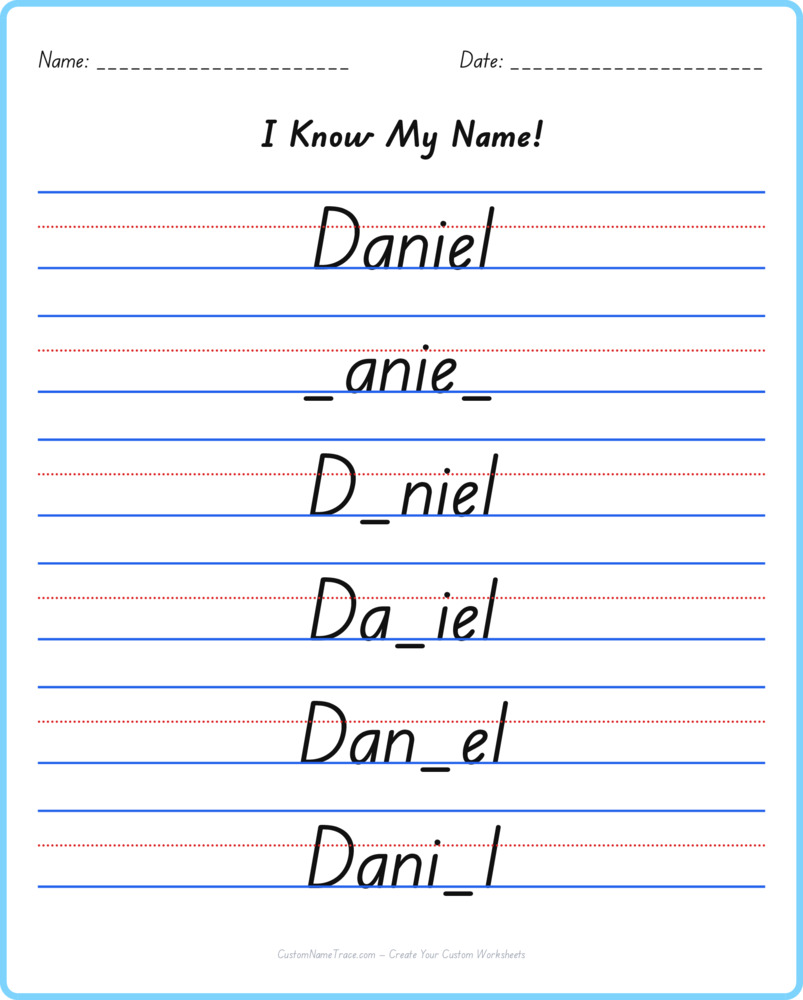
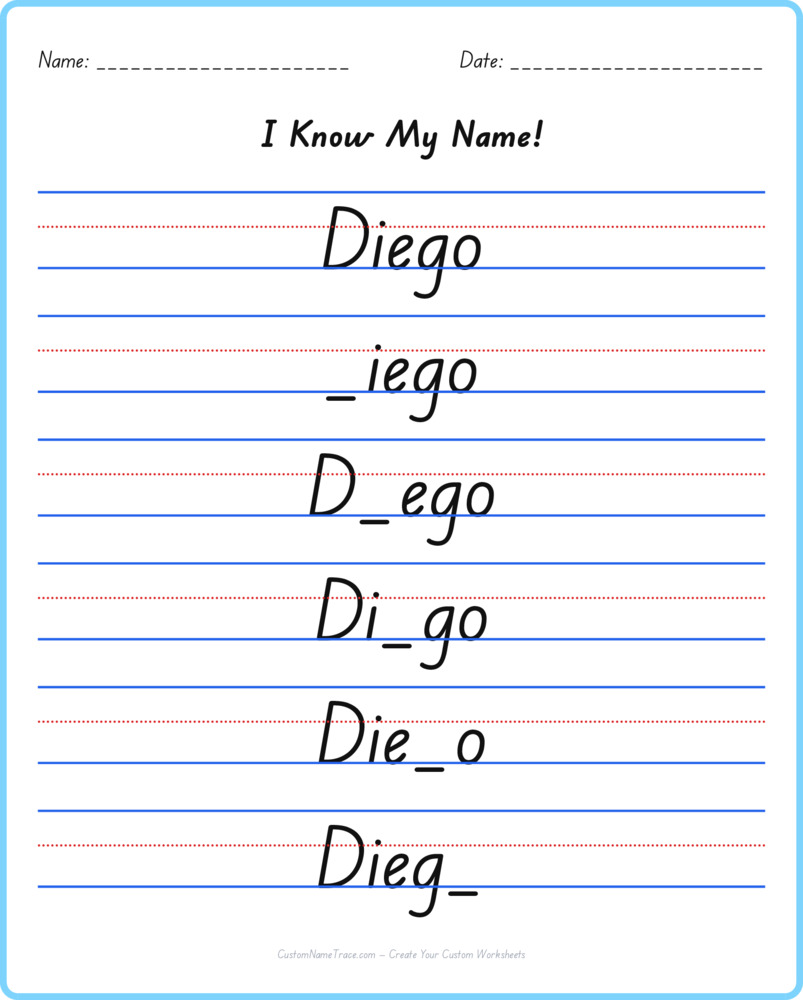

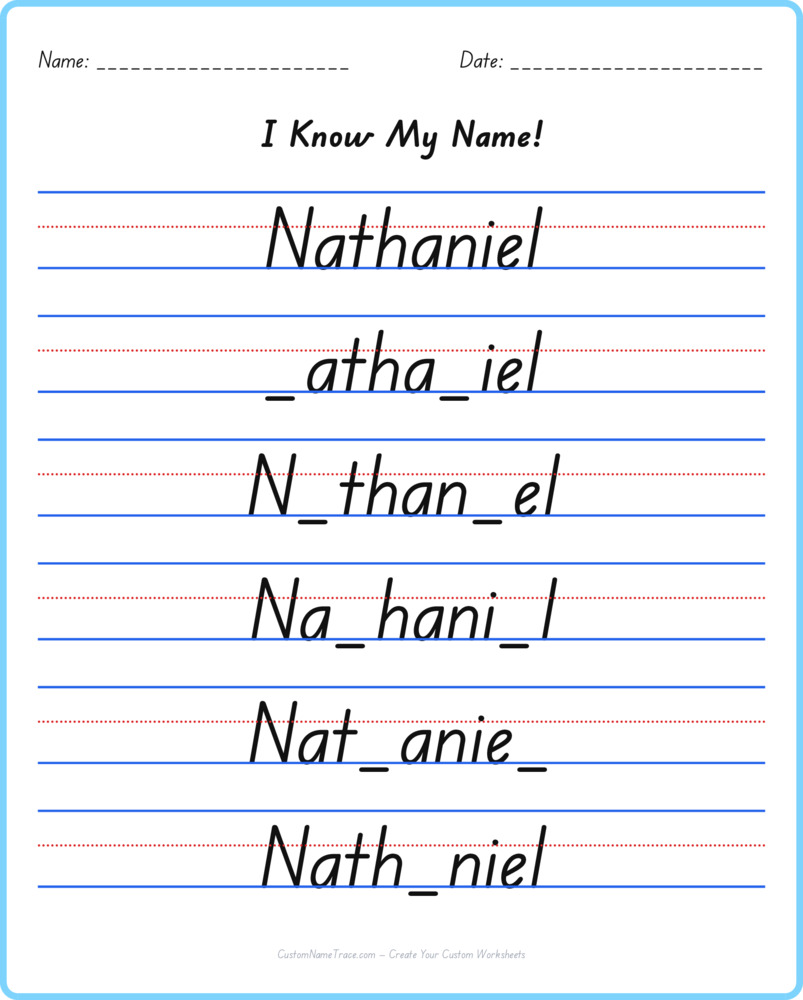
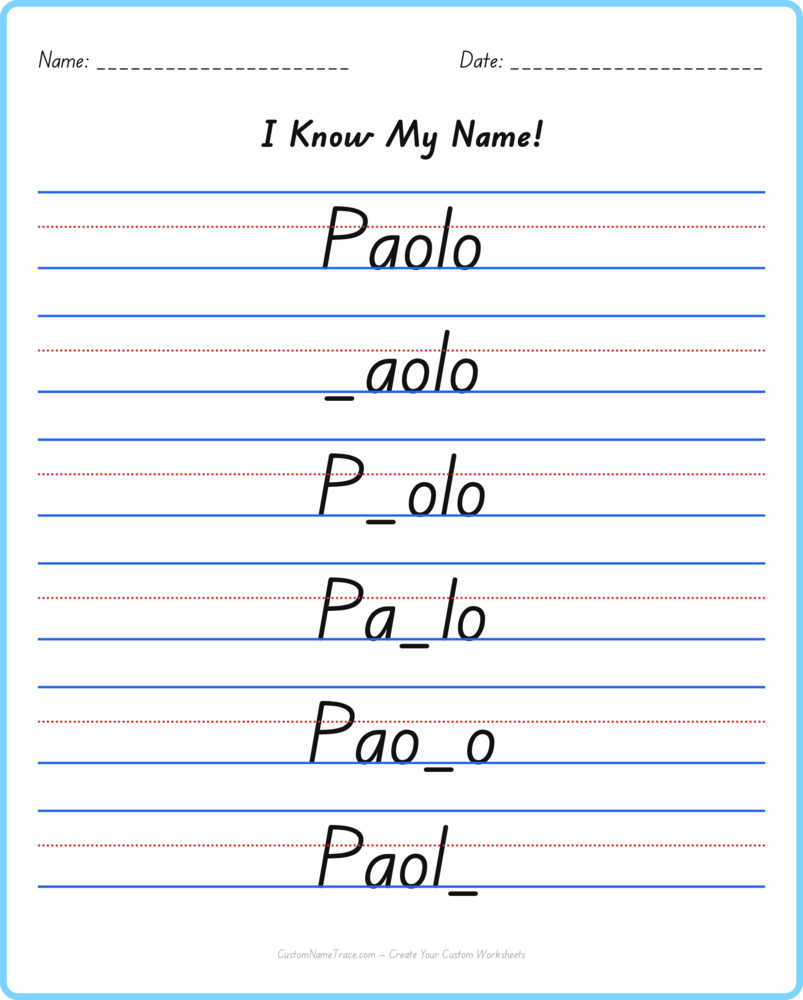
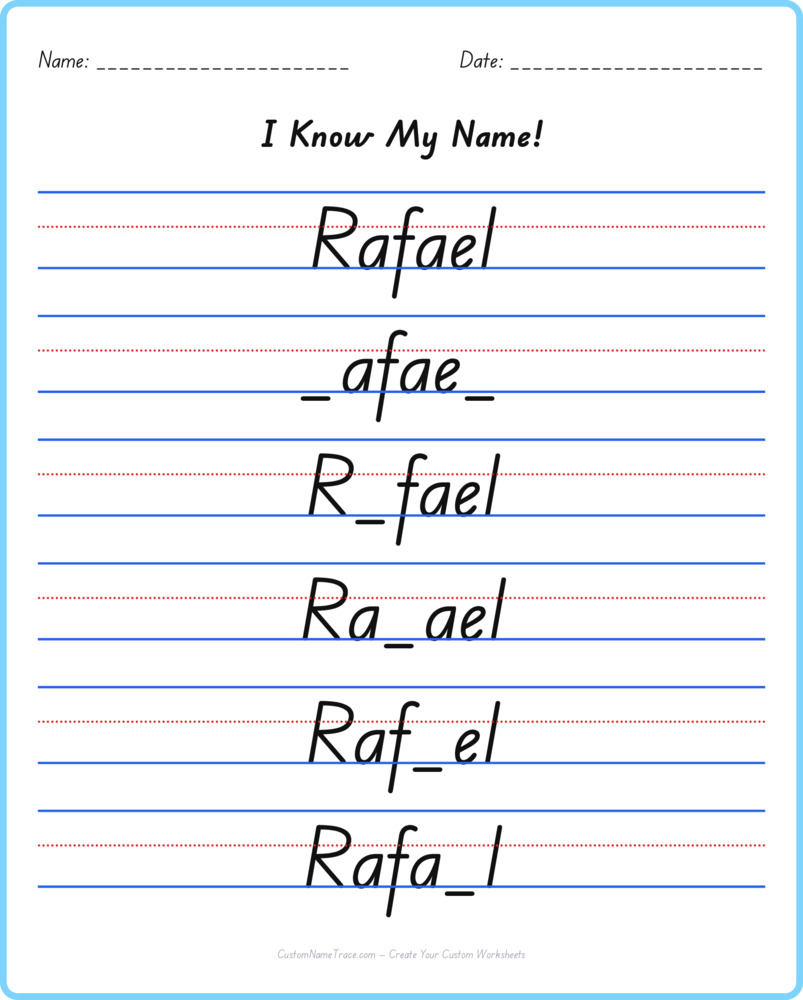
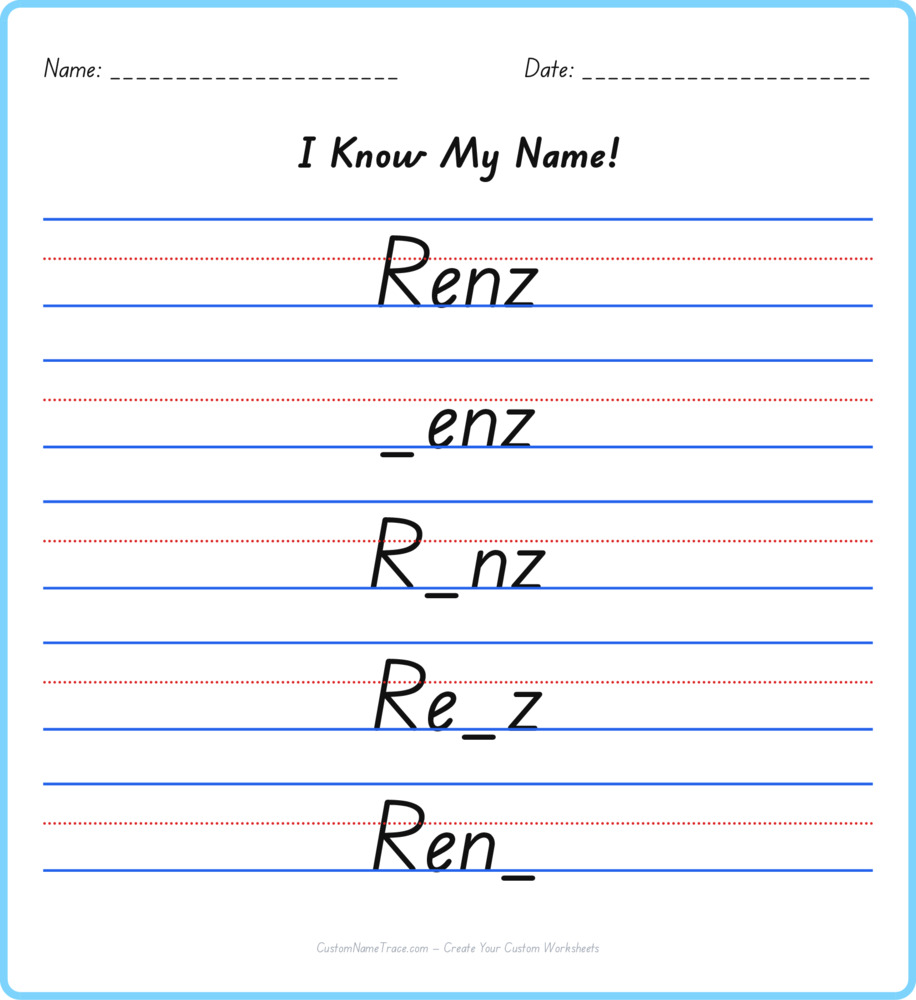

Spelling boy names from Philippines by memory
Filipino naming culture reflects the country's layered colonial history, blending Spanish-style given names from centuries of Spanish rule with American influence from the twentieth-century US administration period, plus names drawn from the many indigenous Filipino languages spoken across the archipelago's thousands of islands. It's also very common for a Filipino child to grow up known primarily by one or more nicknames that are quite different from their official, legally registered given name — a child registered as "Maria Cristina" might be called "Tin-tin" or "Cris" by everyone in daily life, with the formal name reserved almost entirely for official documents. Filipino families also frequently give a child multiple given names strung together, a practice inherited from Spanish naming conventions, though this page focuses on the single name most commonly used in everyday reference.
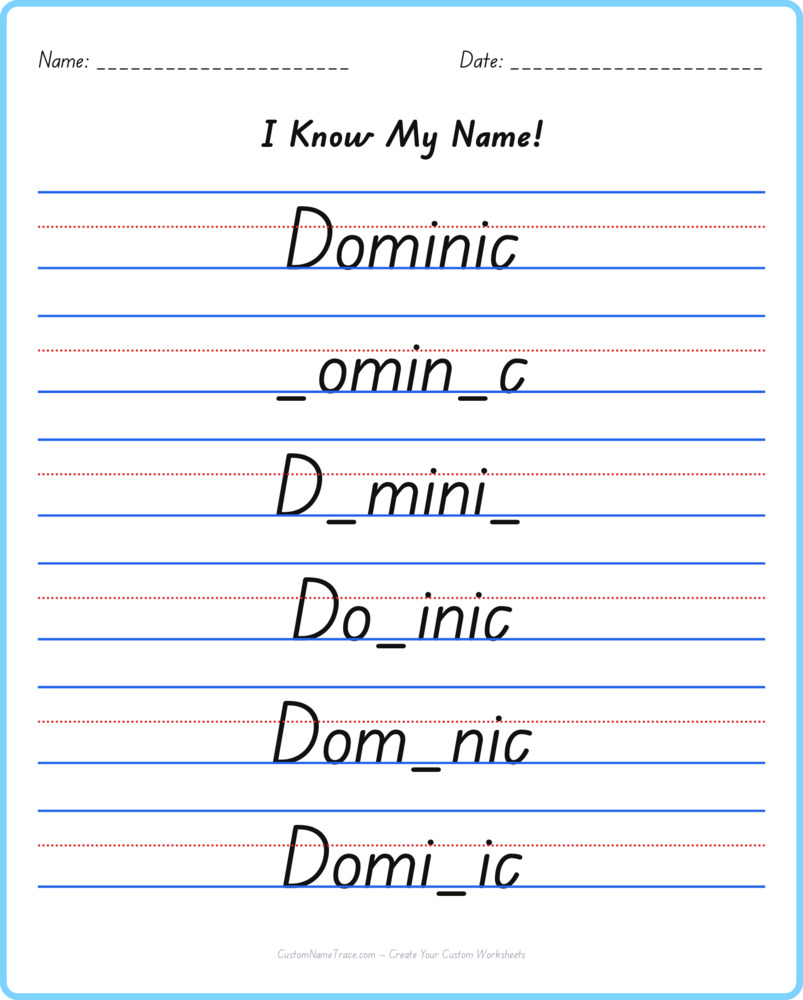
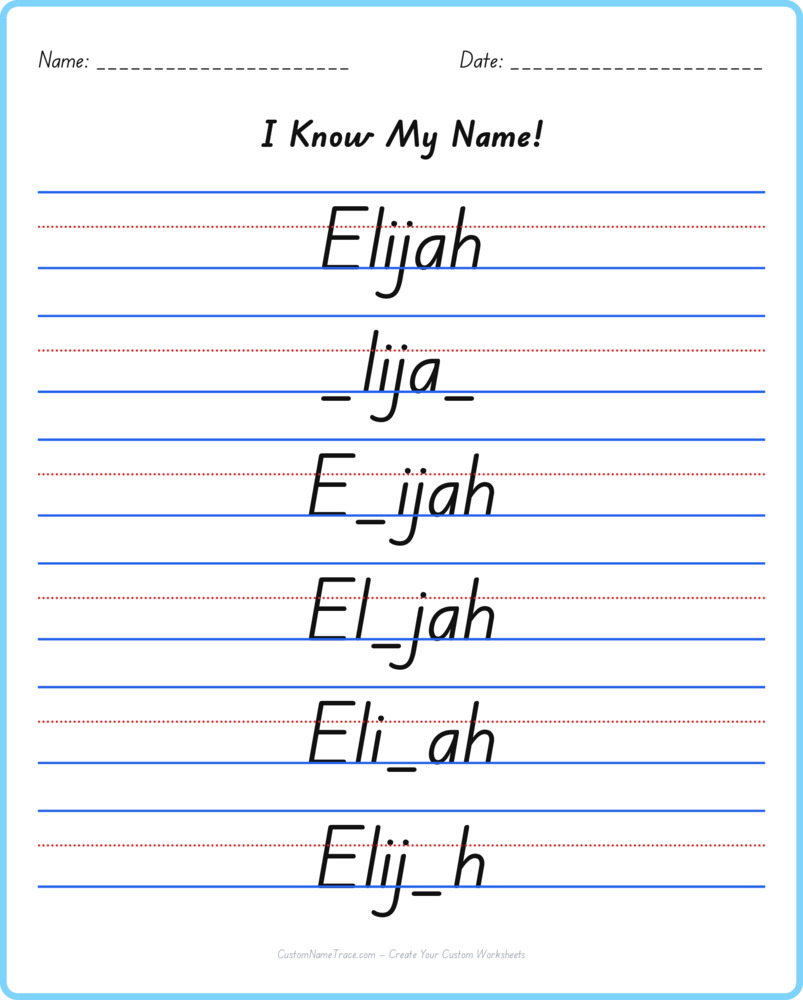
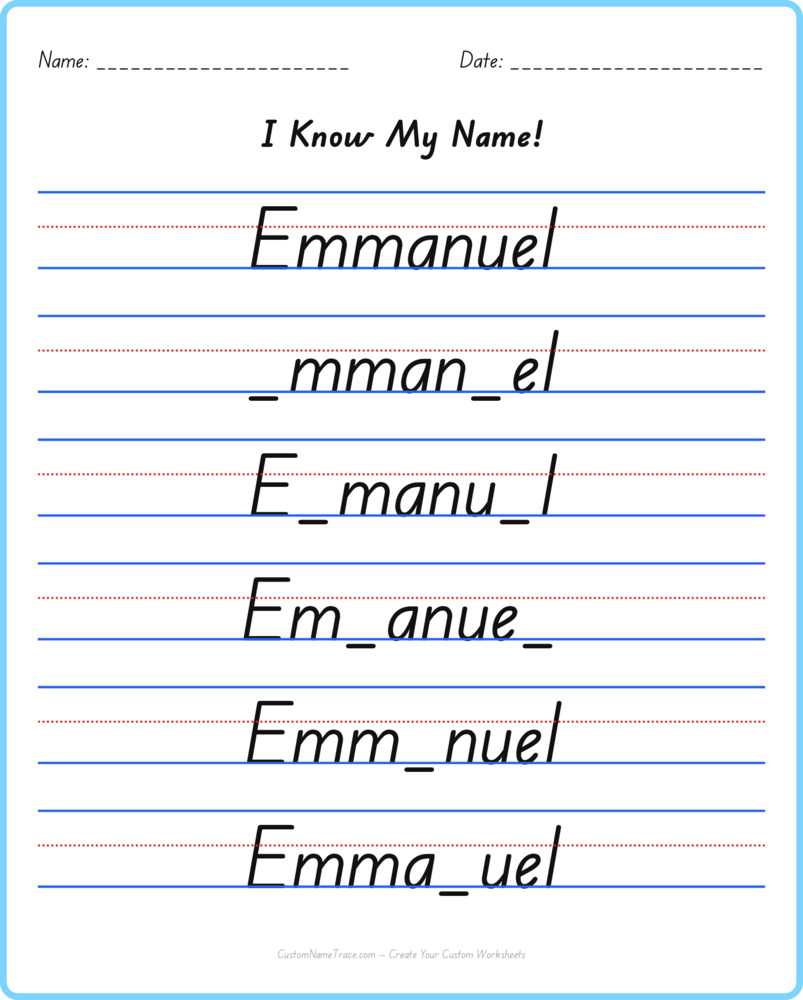
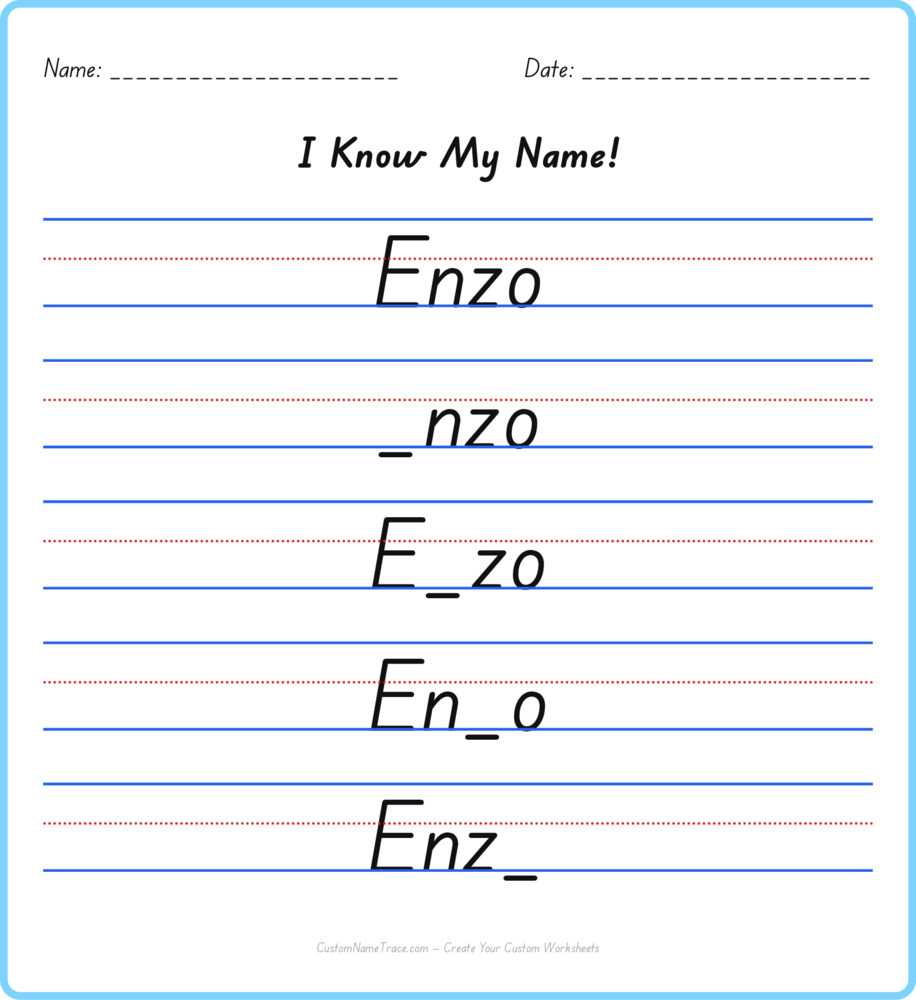
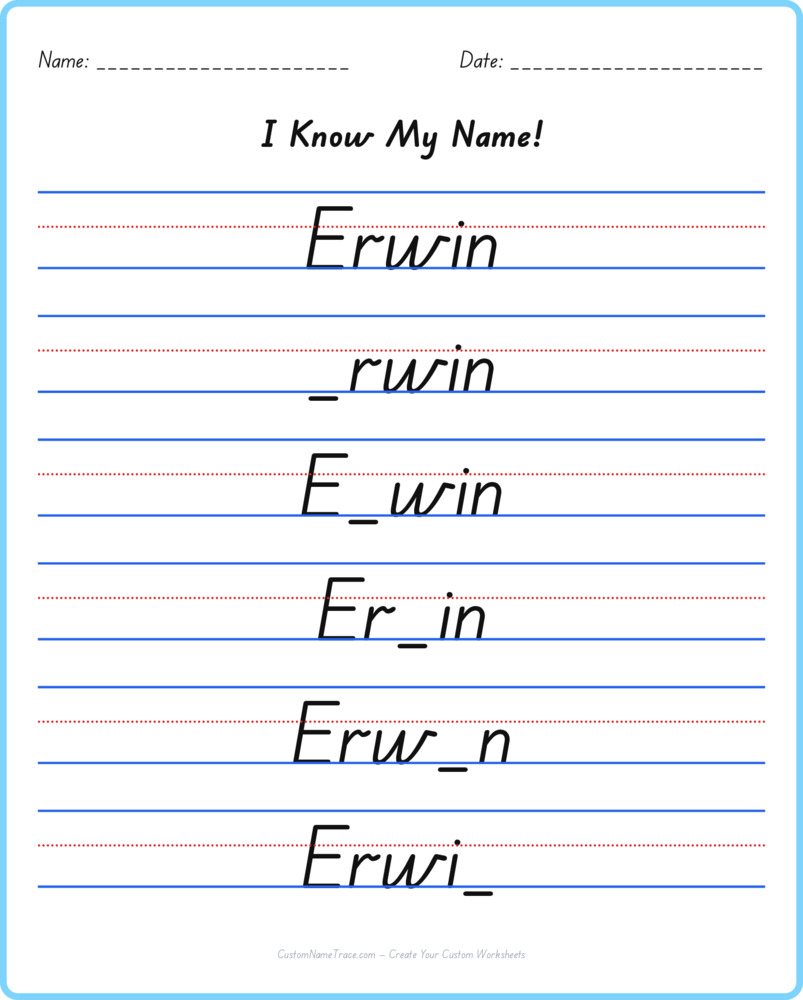
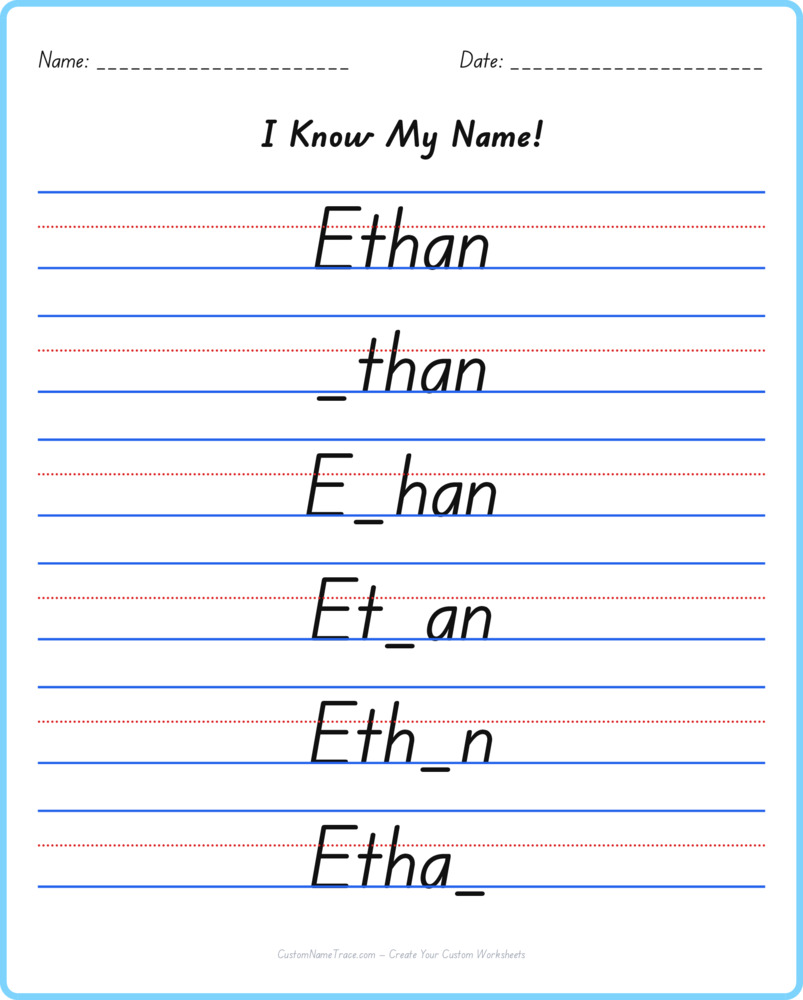
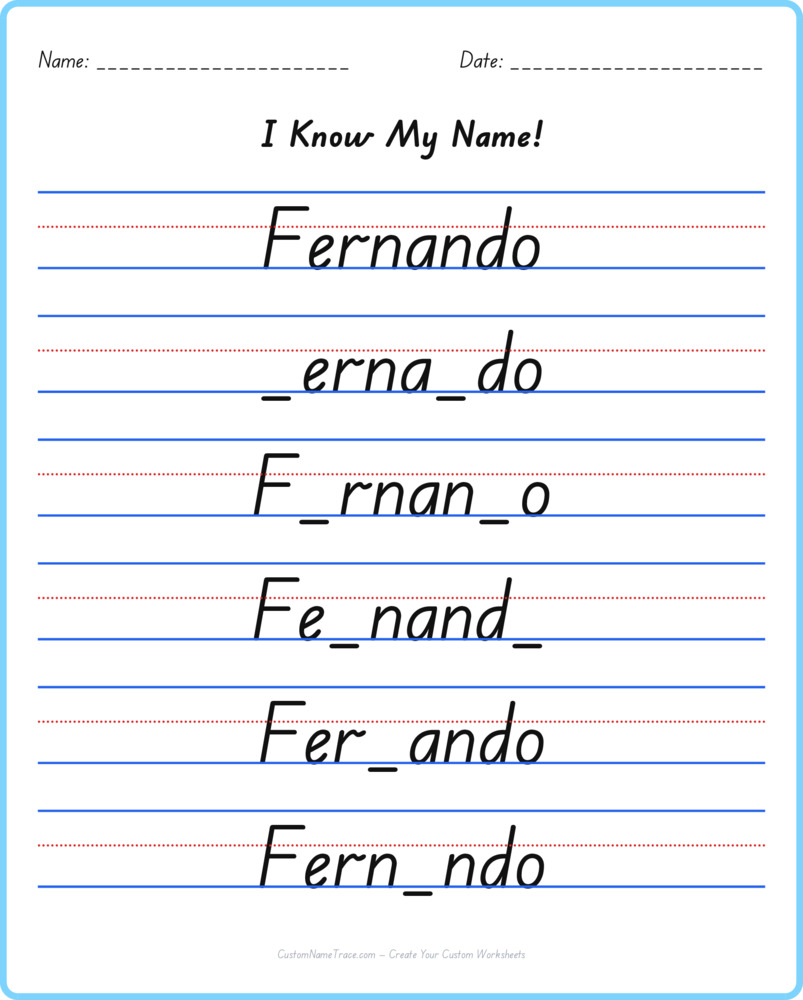
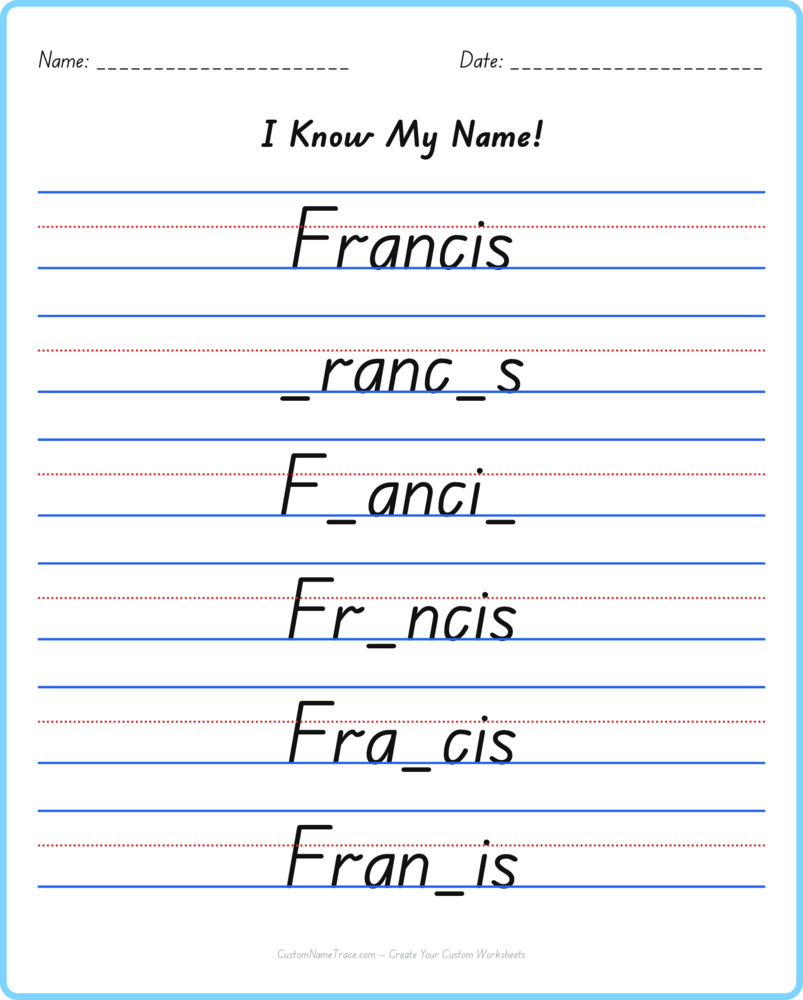
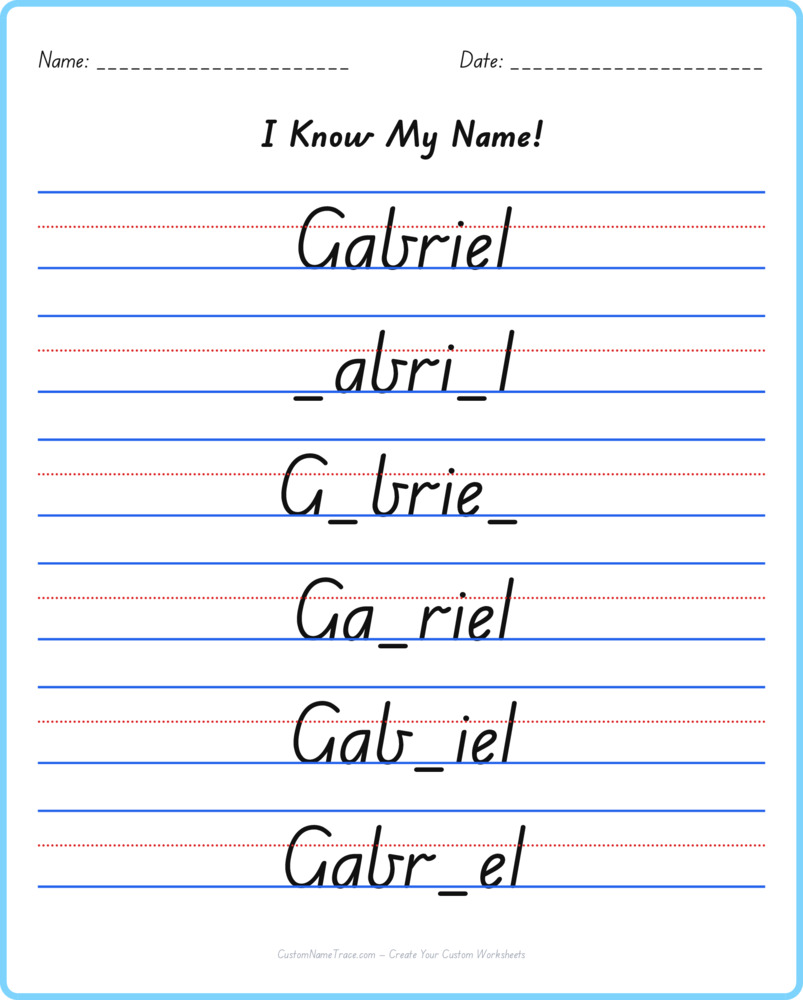
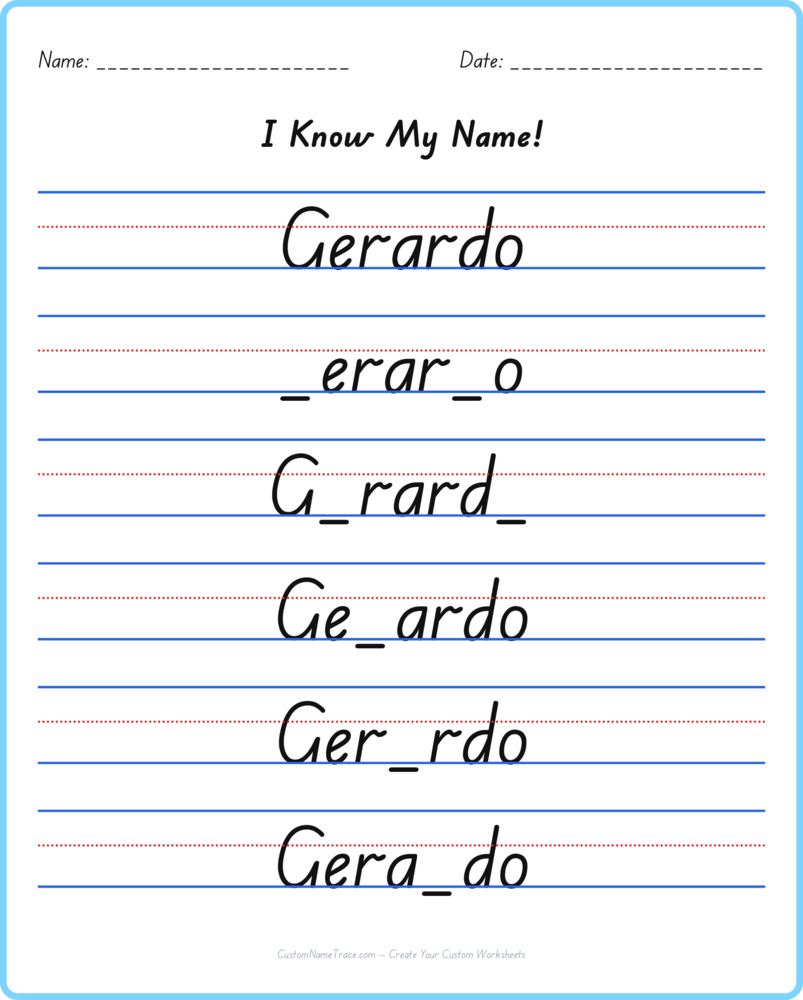
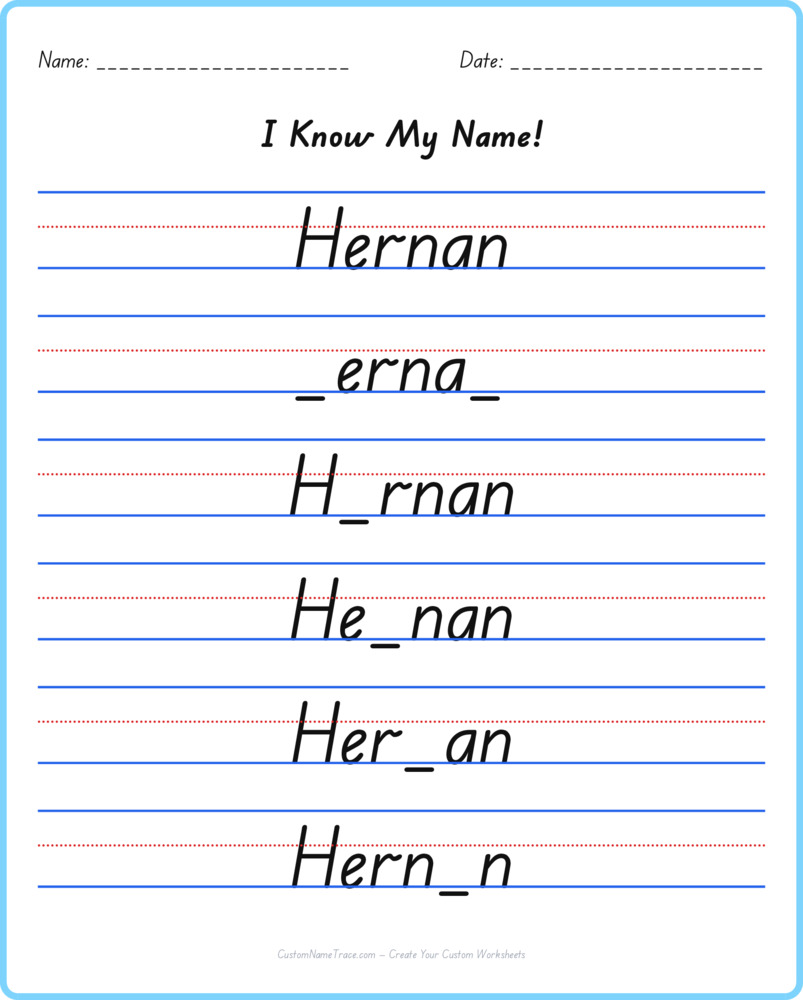
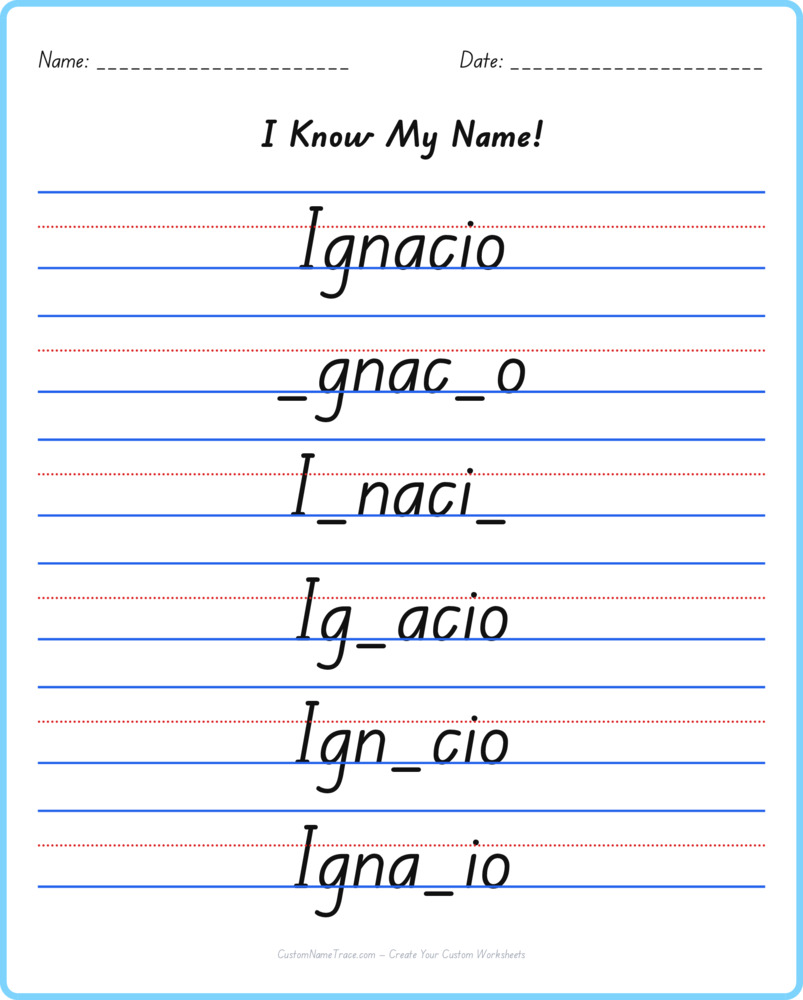
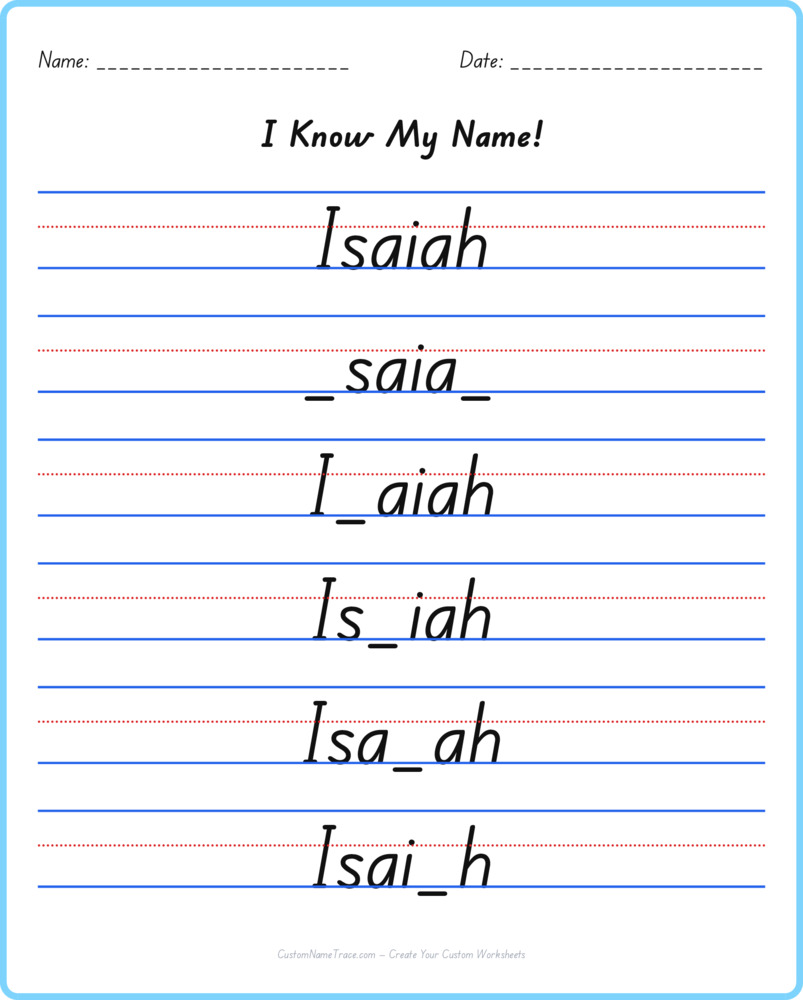
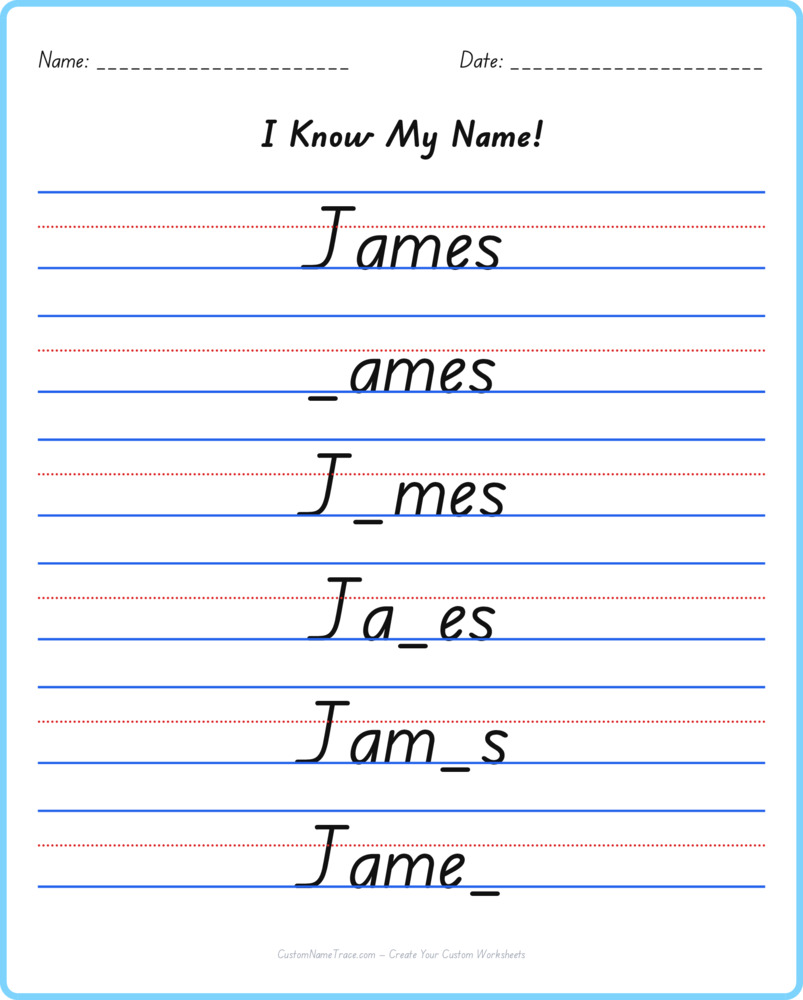
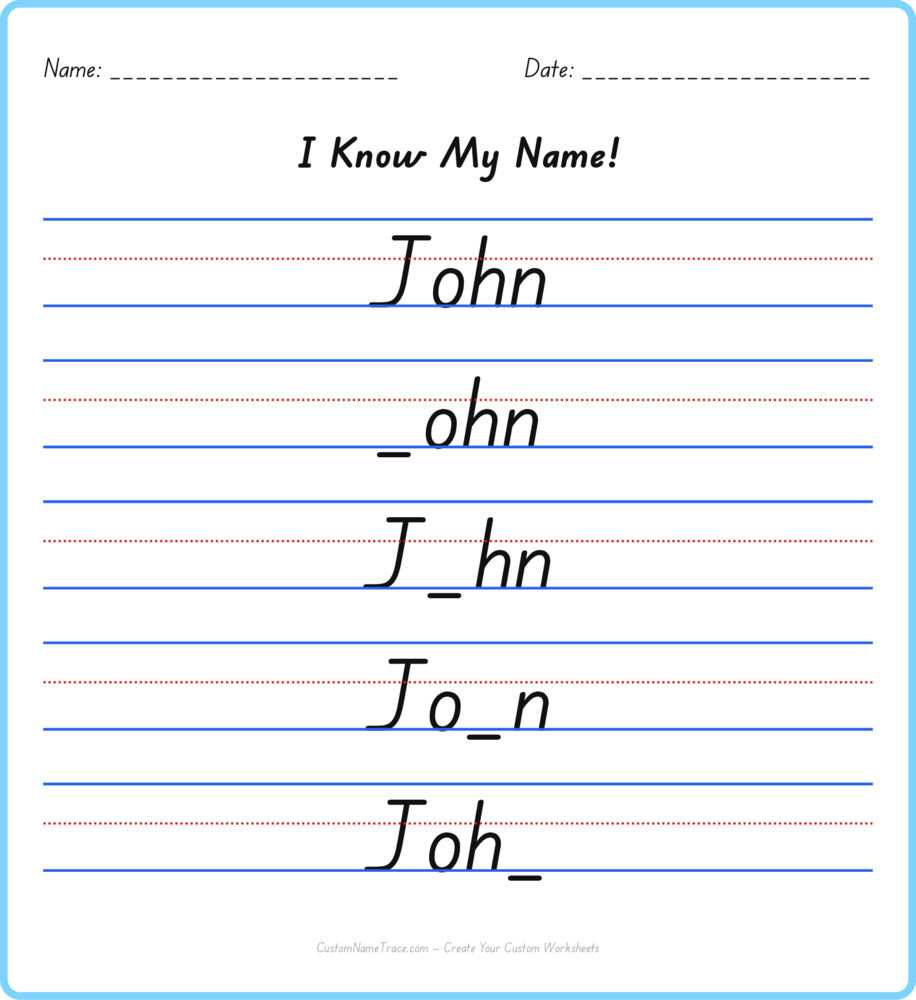
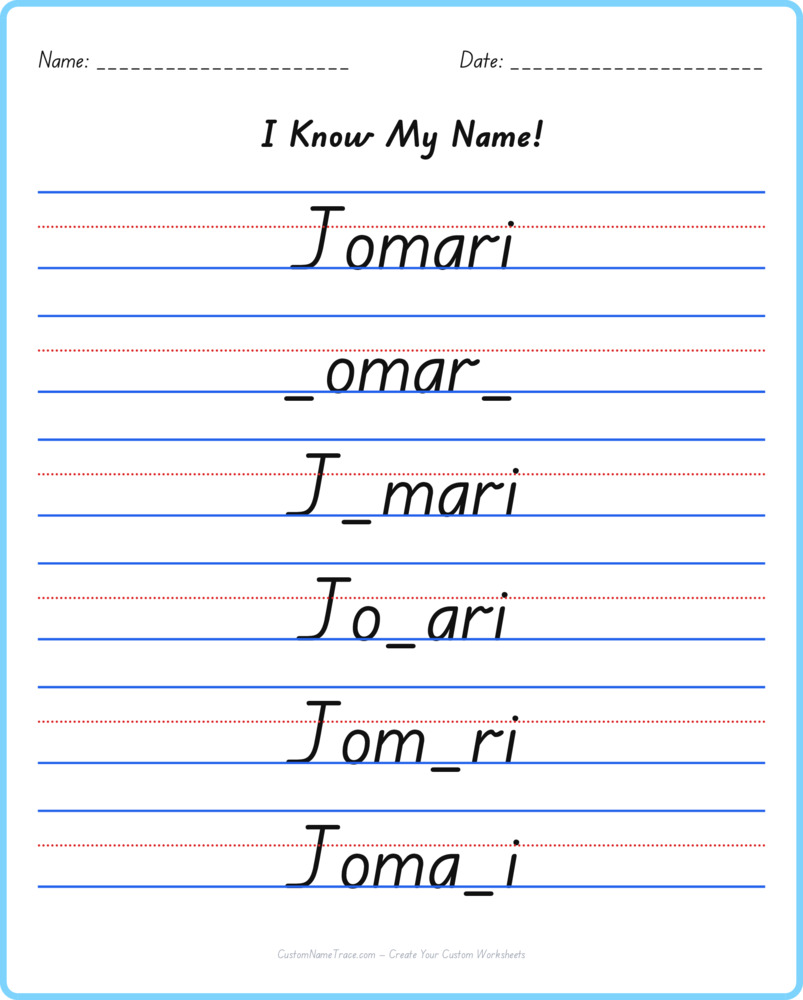
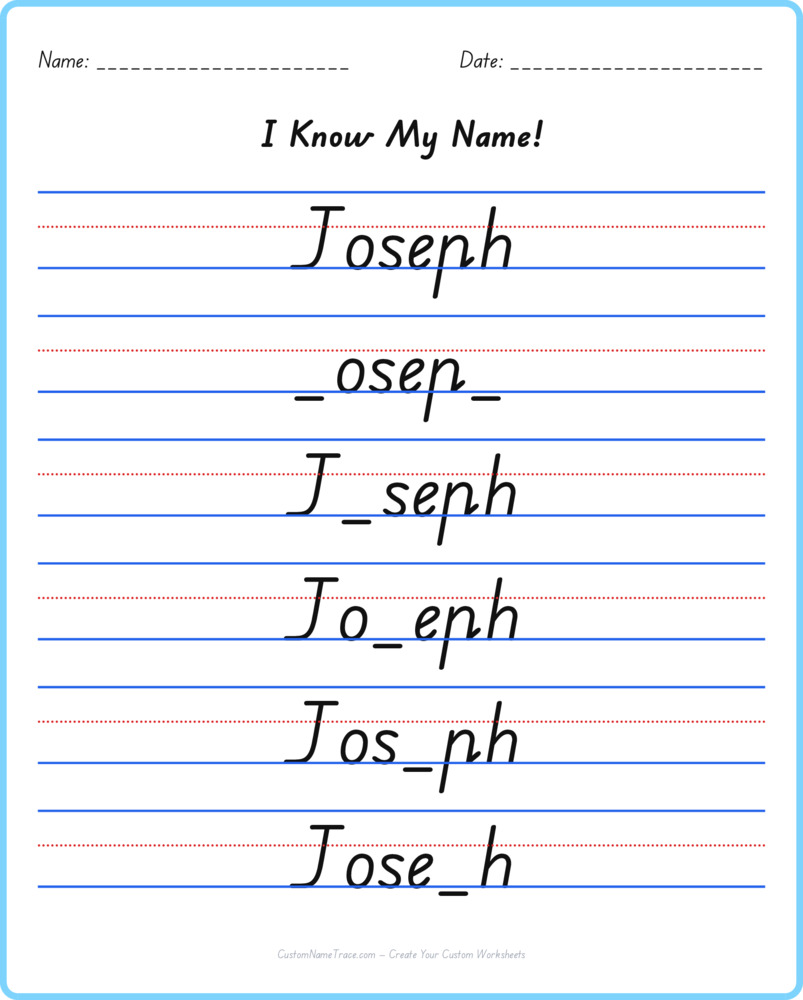
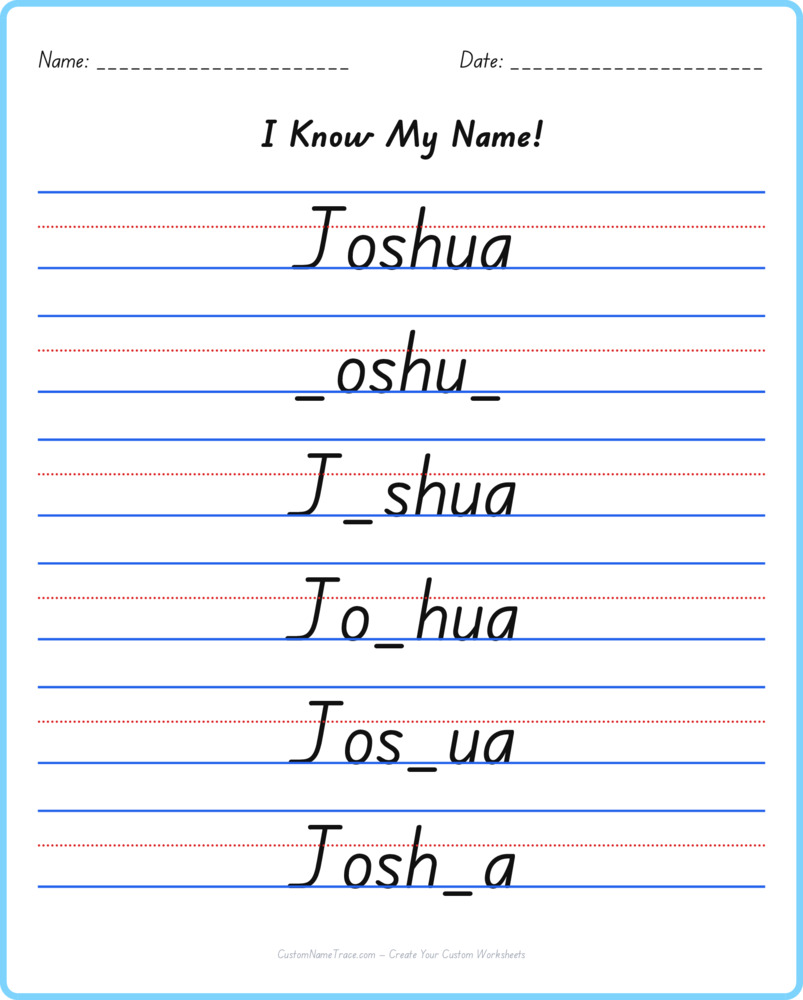
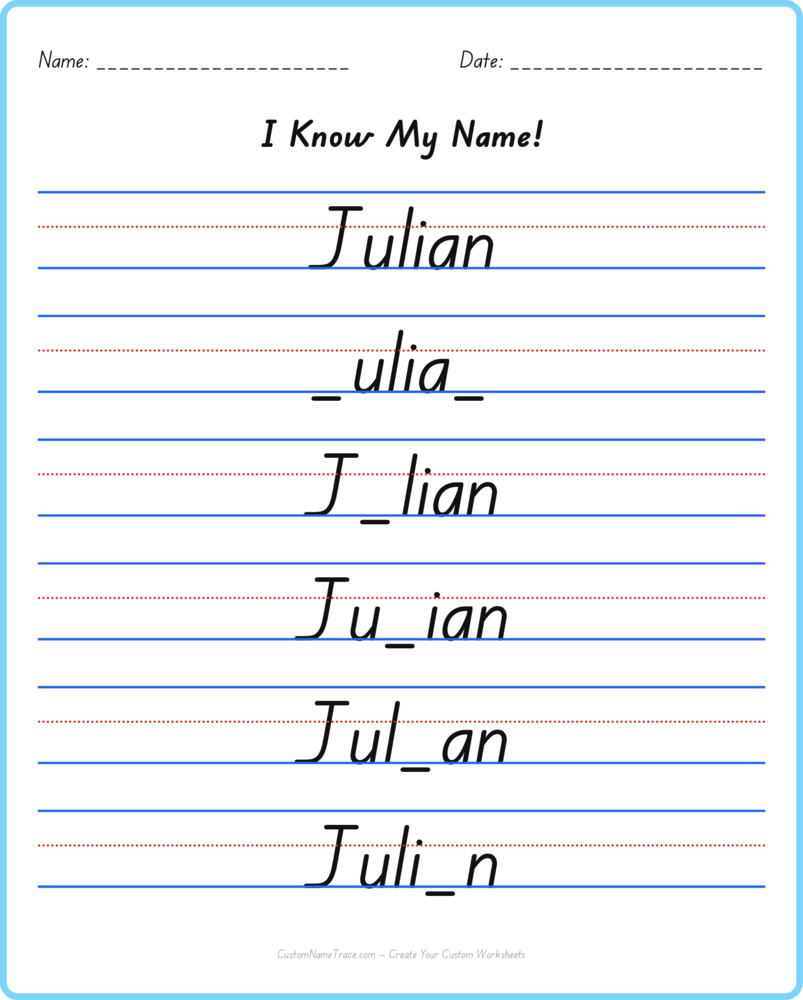
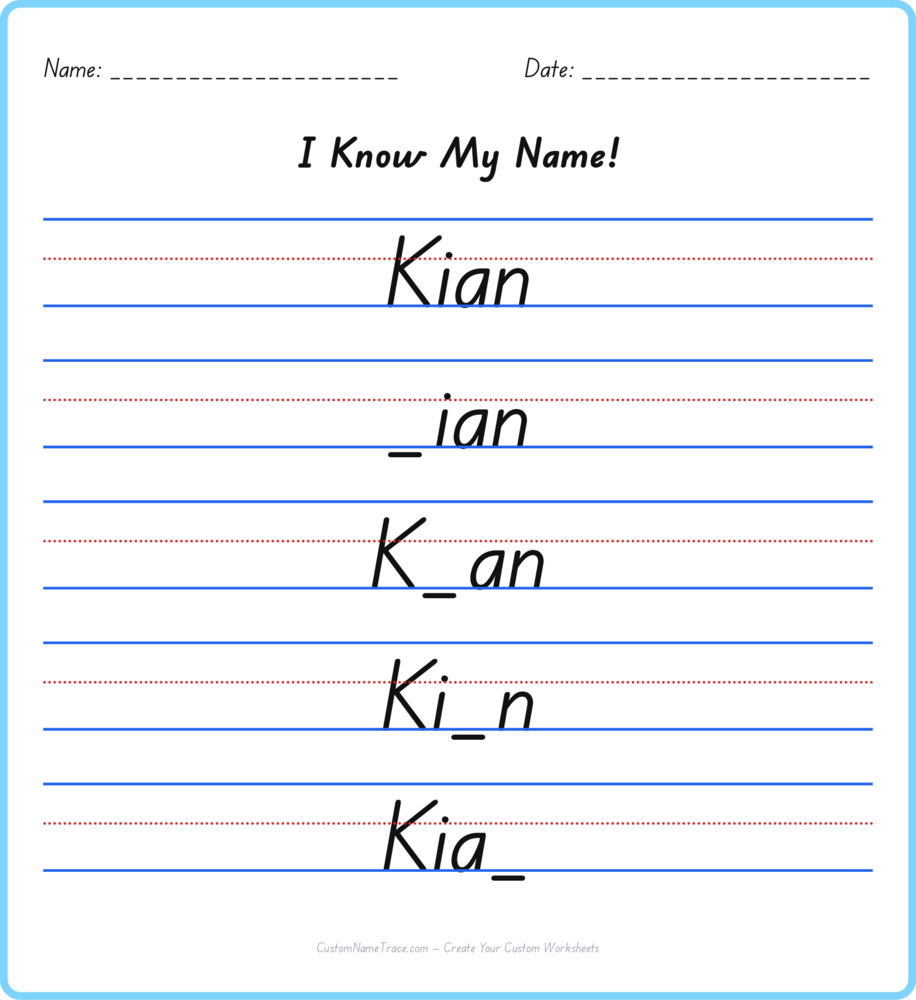
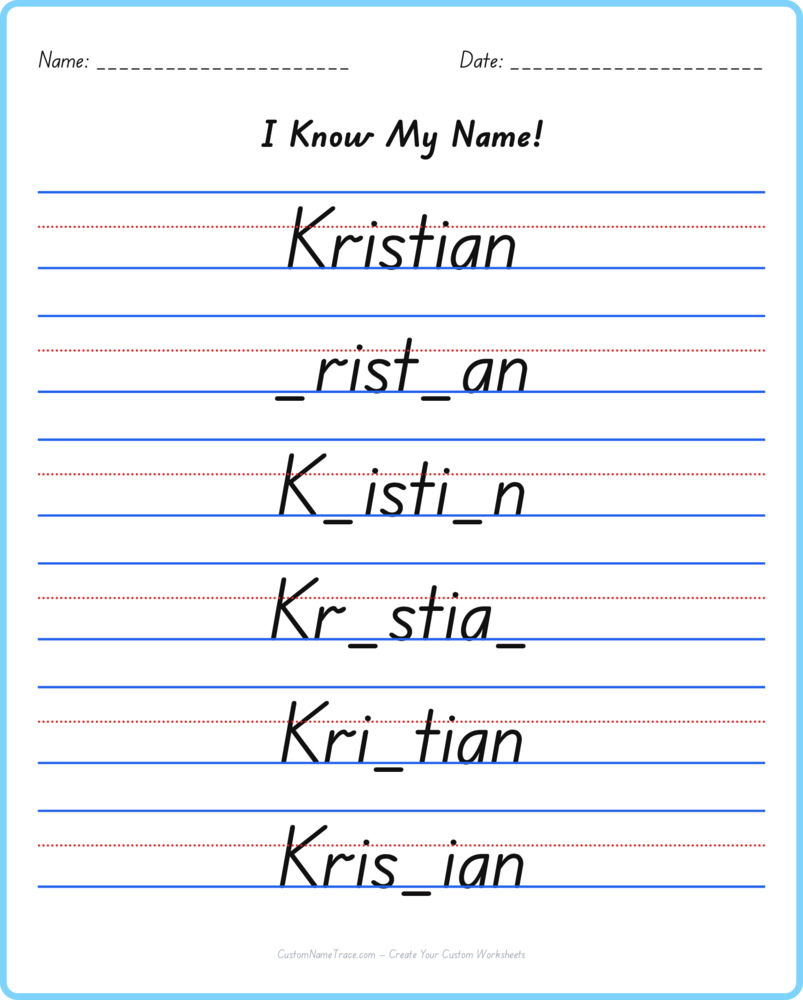
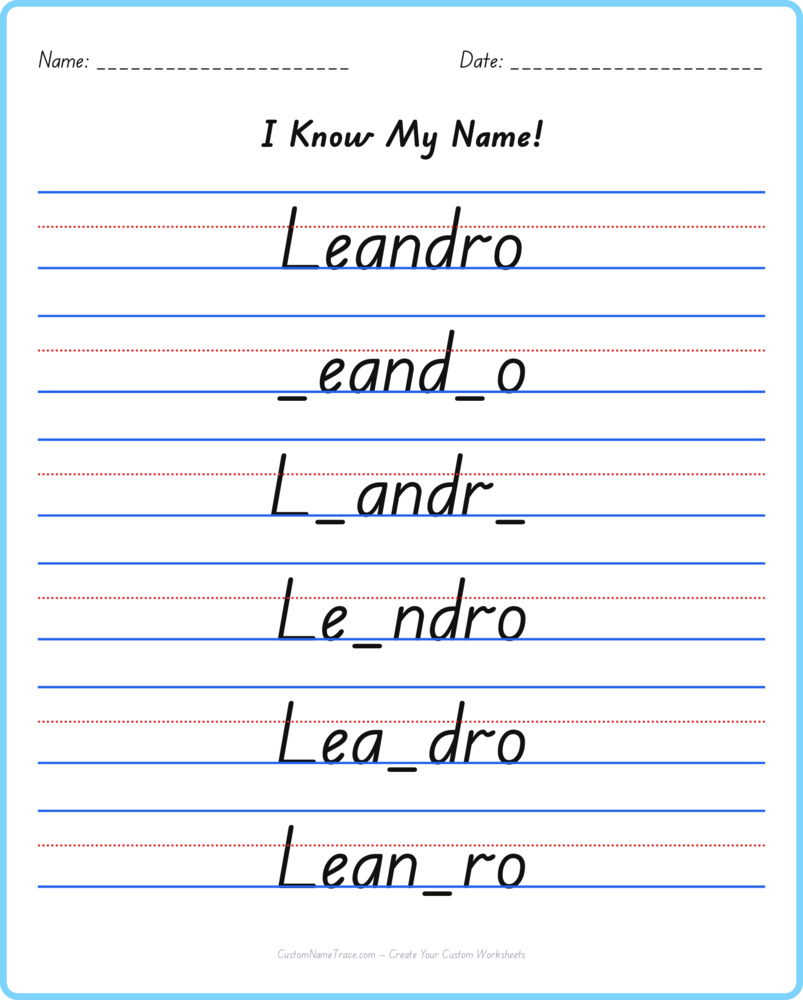
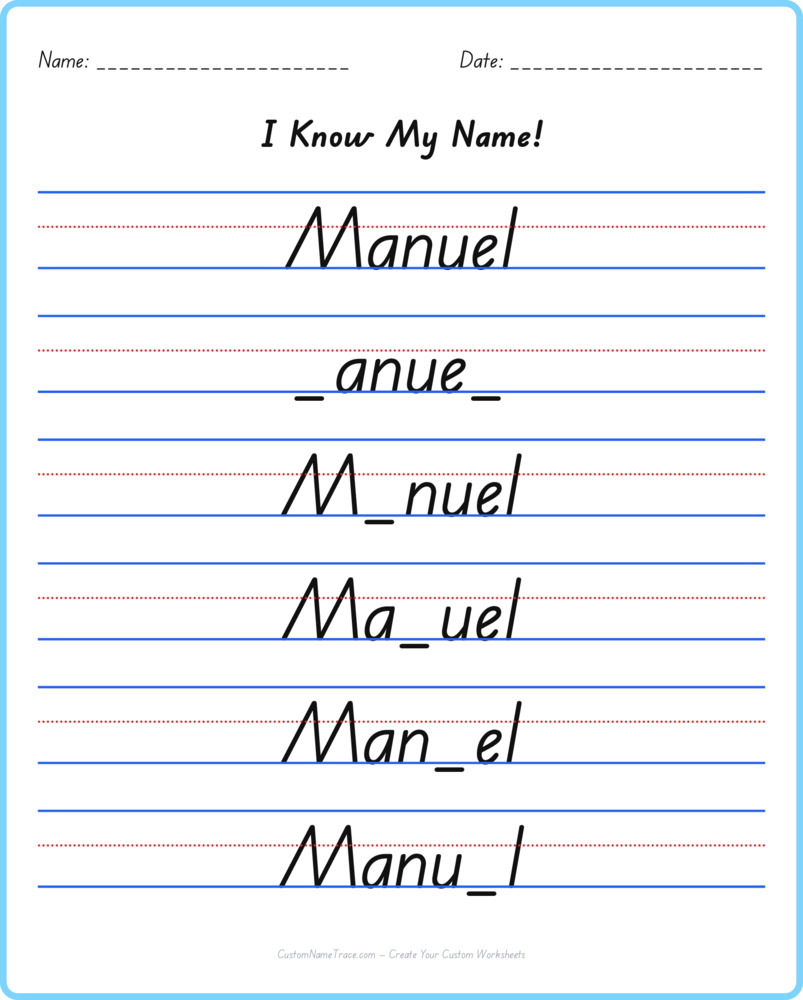
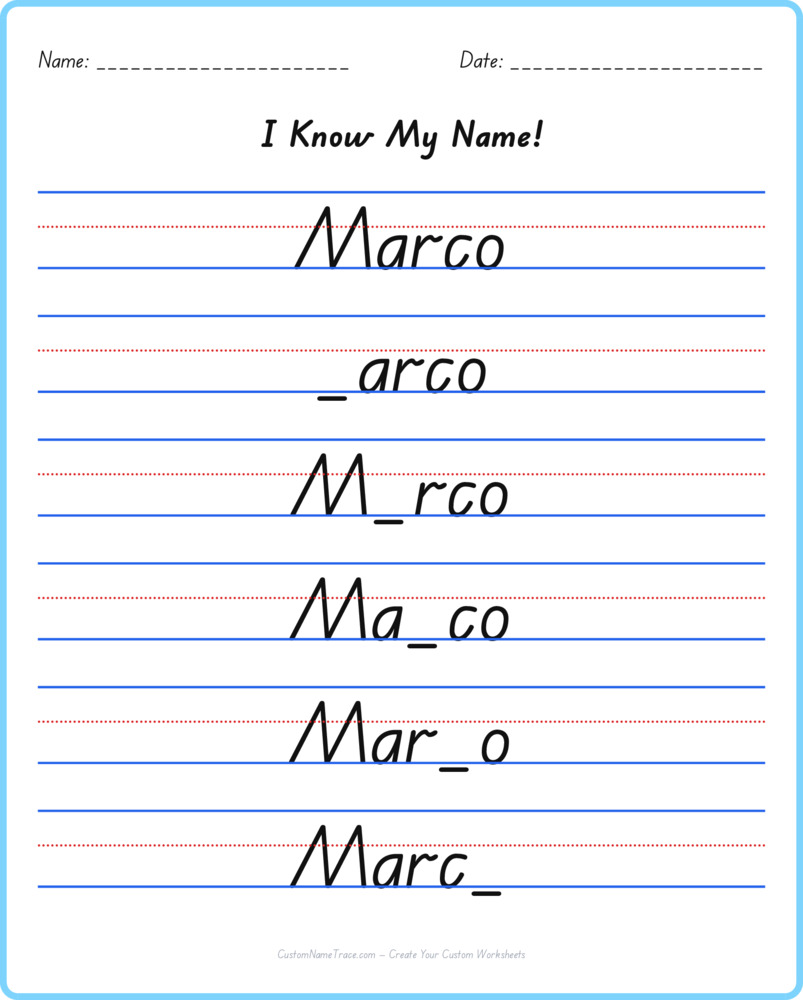
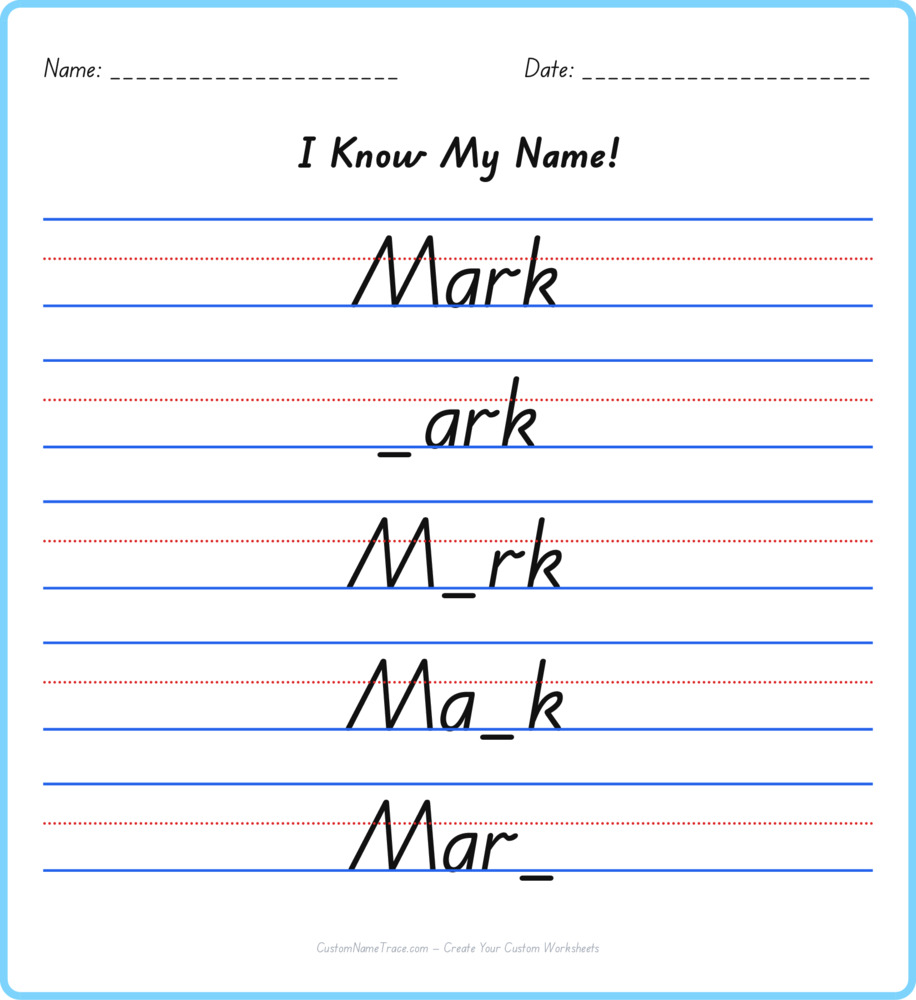
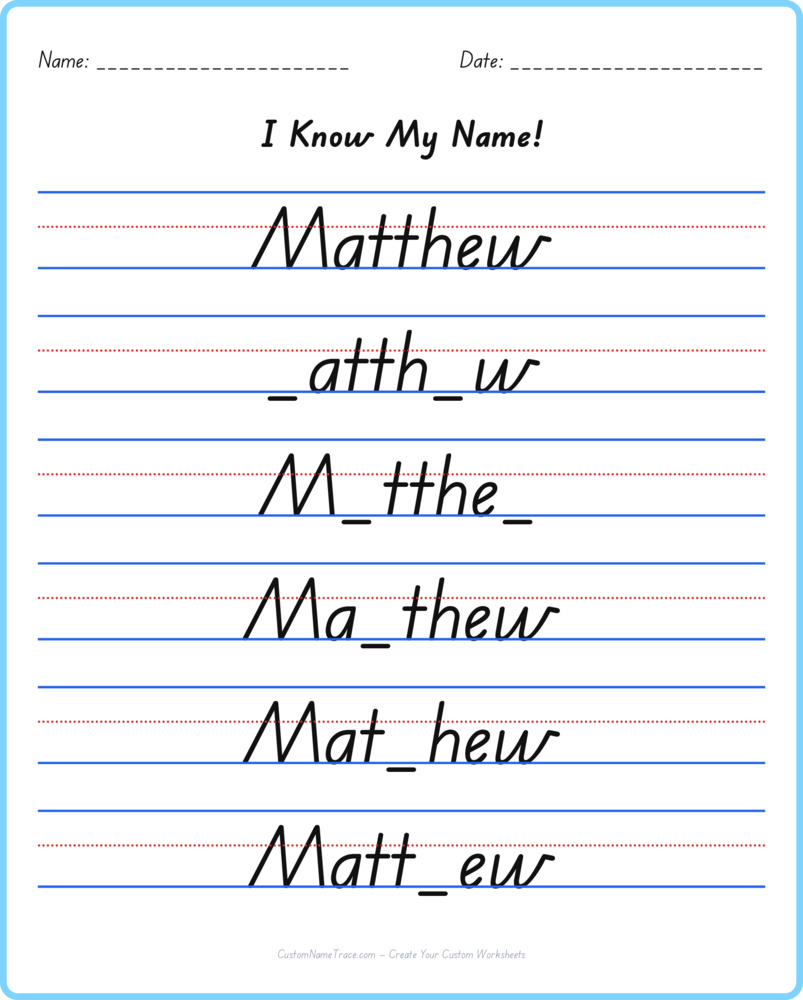
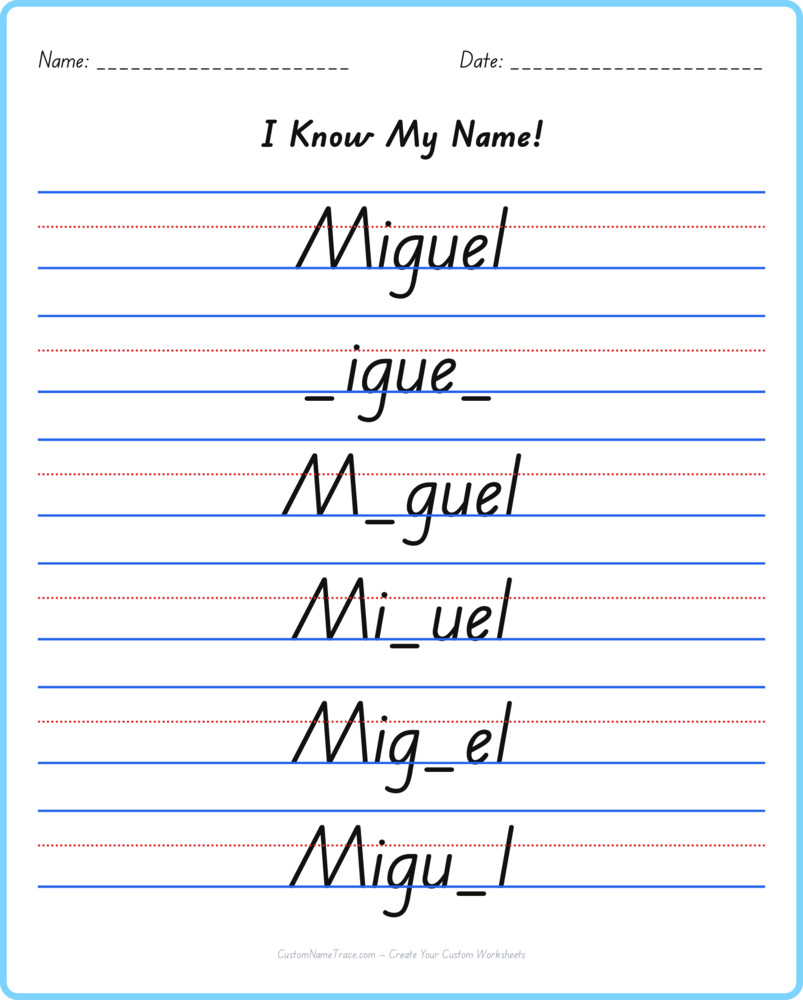
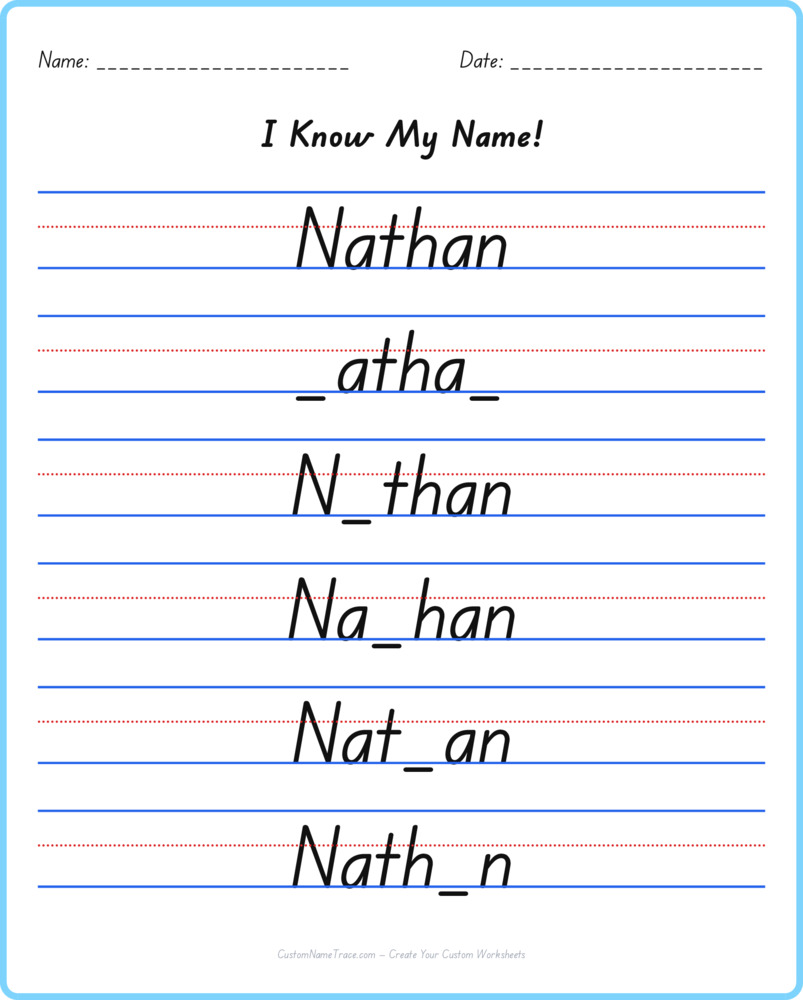
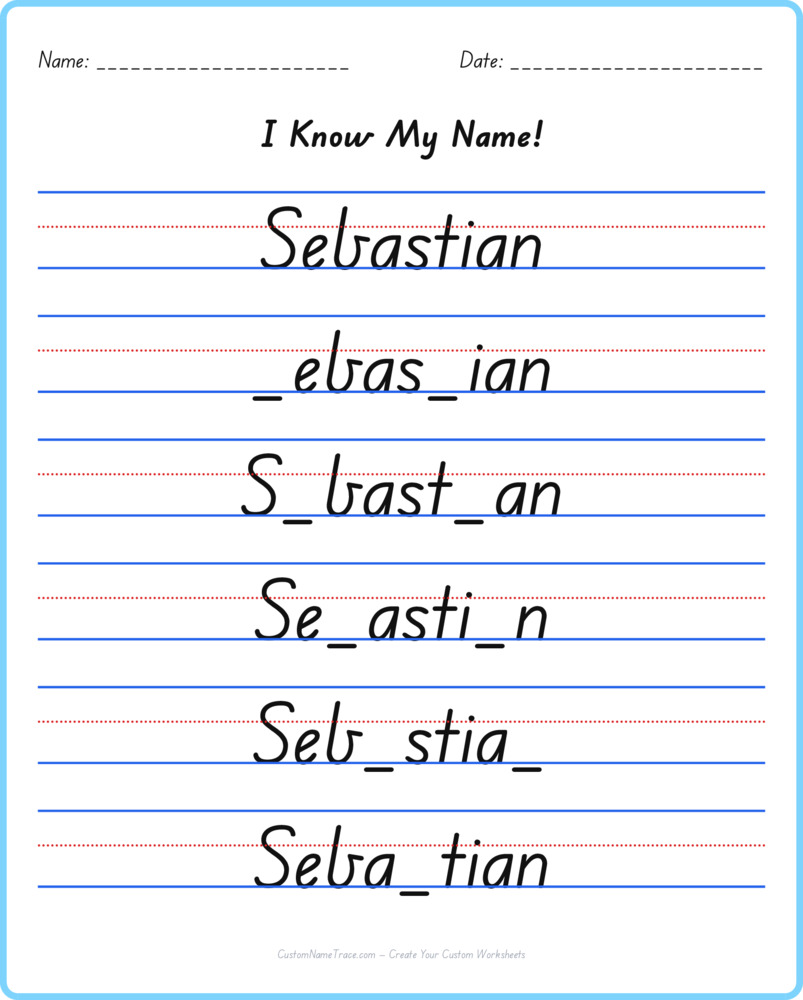
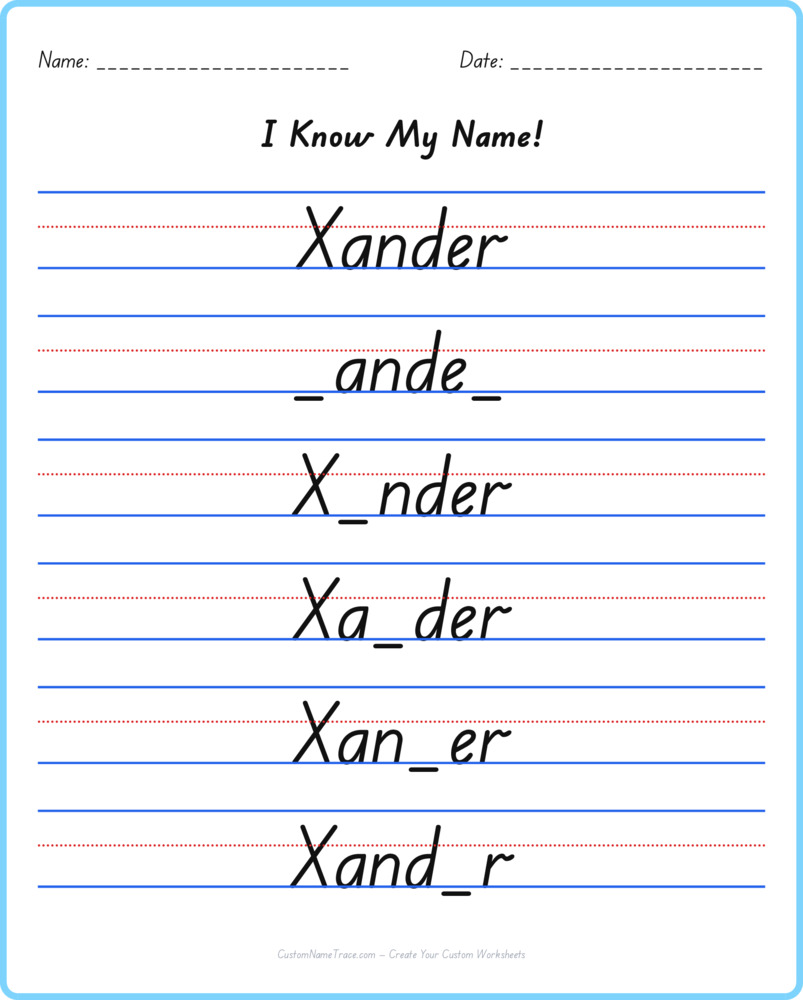
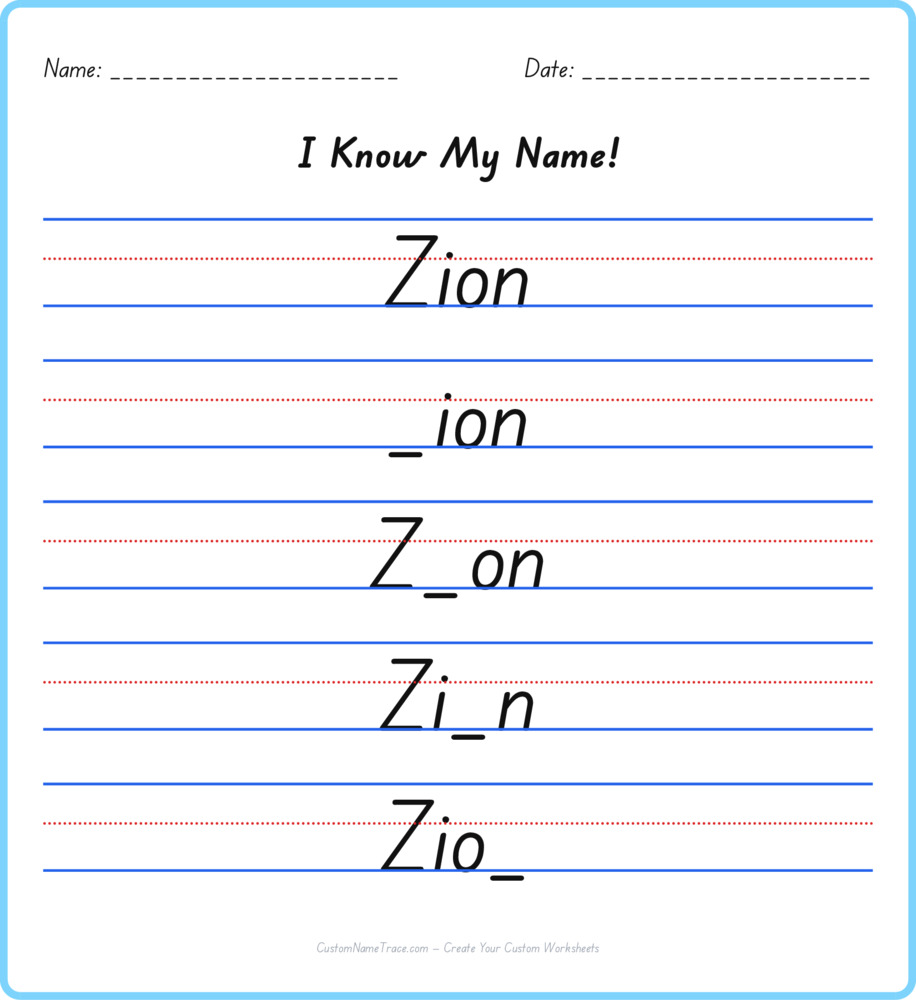
Each boy name here has some letters removed, asking a child to recall and fill them in rather than copy the name whole — a genuinely harder skill than this site's plain Philippines boy name tracing pages.
Naming trends for boys in Philippines
Filipino boys' names commonly blend Spanish colonial-era naming (Jose, Miguel) with modern English and American influences, and it's especially common to see a boy given a creative blended name built from parts of both parents' names, a distinctly Filipino naming custom.
Using this with a boy's name
Tracing the full name a few times first, before trying the missing-letter version, gives the correct spelling a chance to feel familiar. For a classroom, the Teacher Worksheets tool builds one combined PDF from a pasted list.