Why I started bundling worksheets in the first place
For years my Sunday night routine was the same: open the laptop, click through five or six worksheet pages one at a time, print each one, and staple the stack together before Monday. It worked, but it was twenty minutes of clicking that had nothing to do with actual teaching. A bundle is the fix for exactly that — ten worksheets for one specific skill, already packaged into a single PDF, so what used to take ten downloads takes one. Nothing about the worksheets themselves is different. They're the same individually-researched pages you'd get browsing one at a time; the only thing that changed is how many print jobs it takes to get a full set into a child's hands.
What actually goes into a bundle
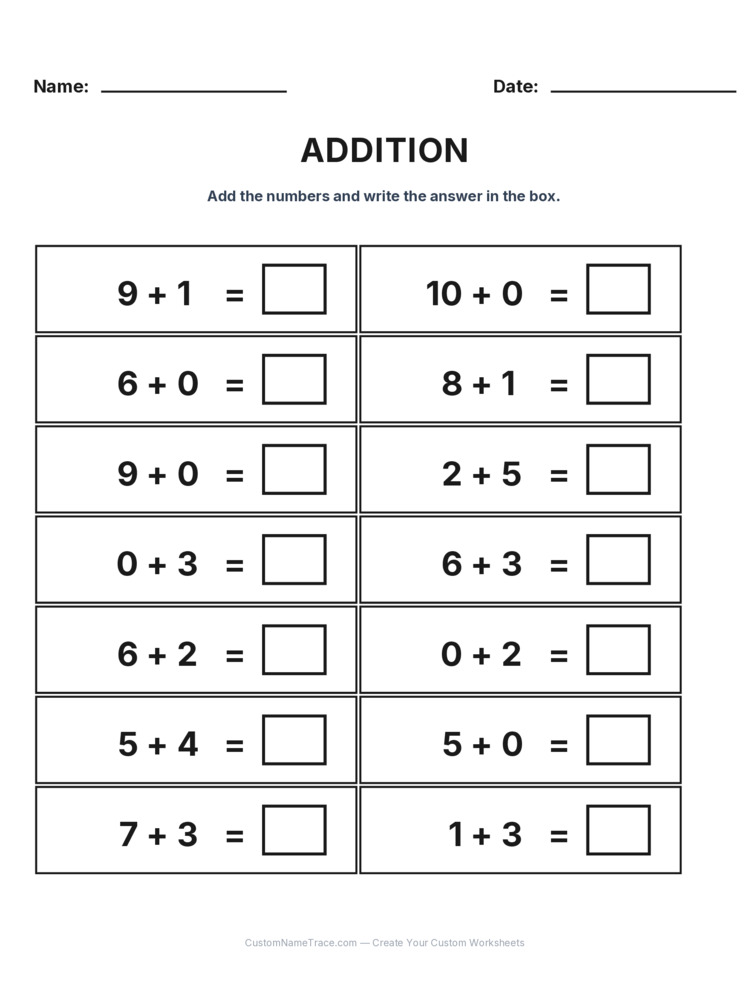
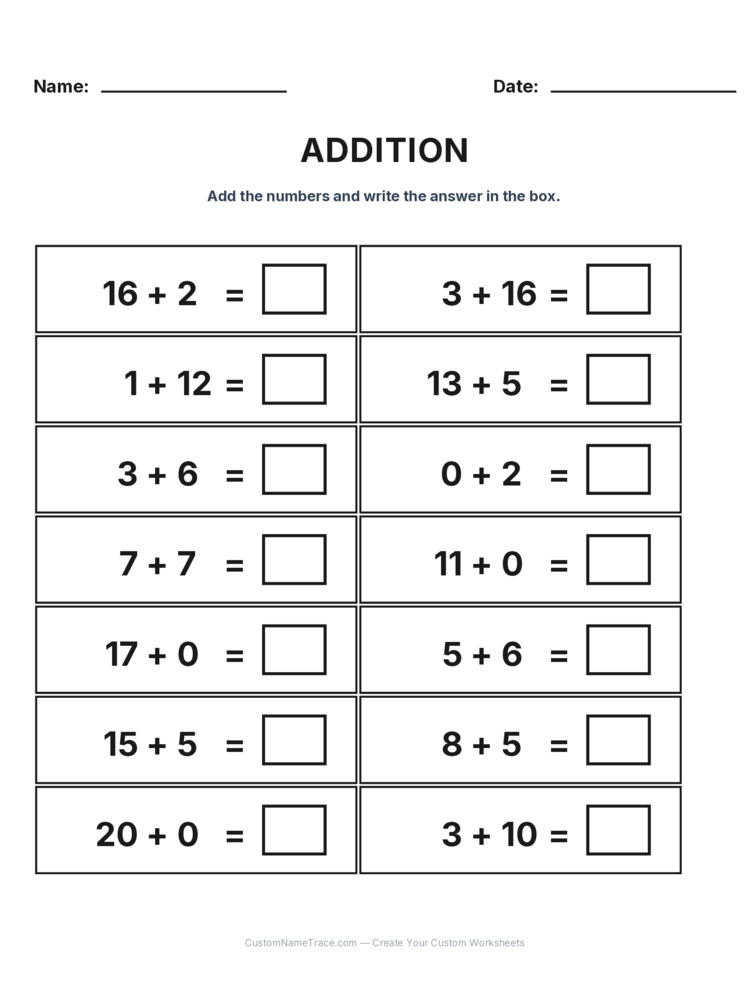
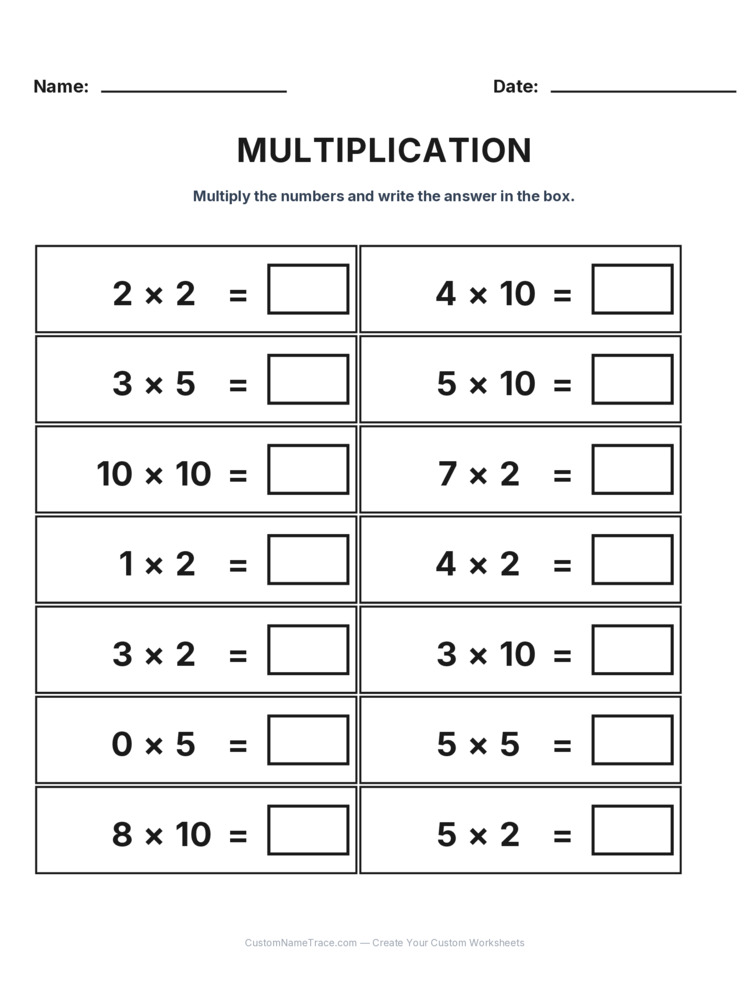
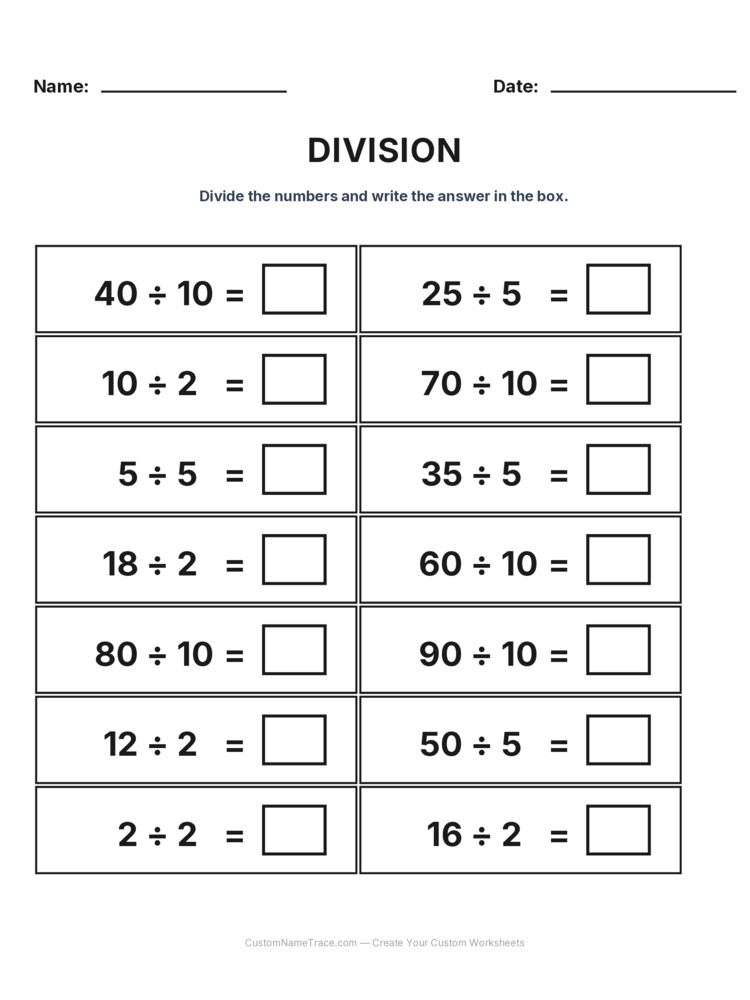
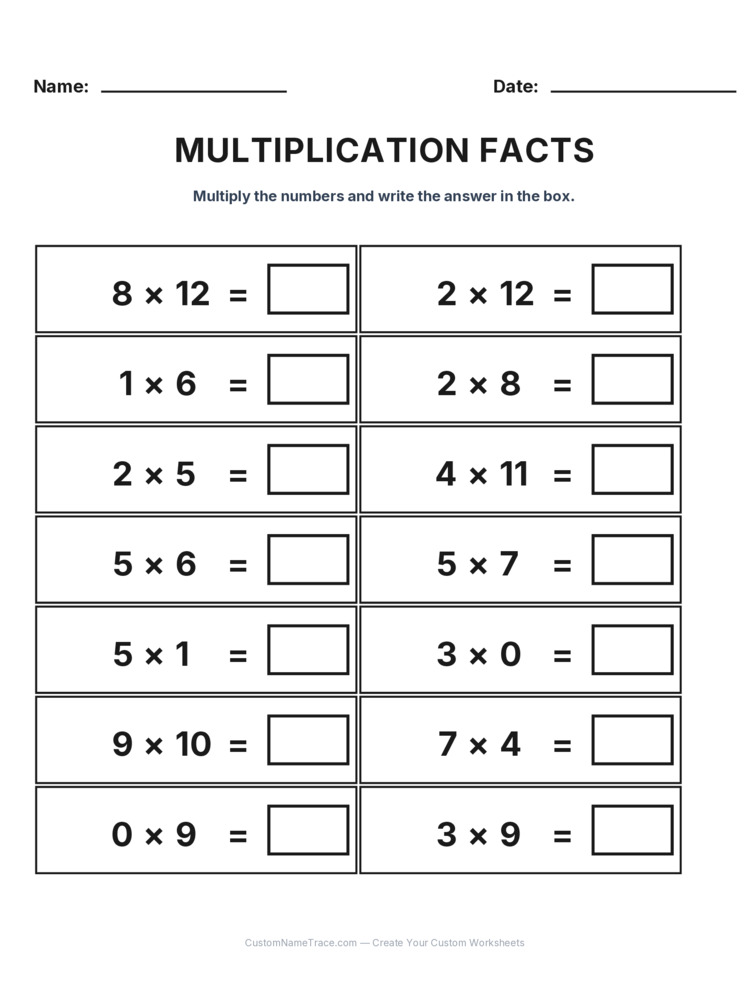
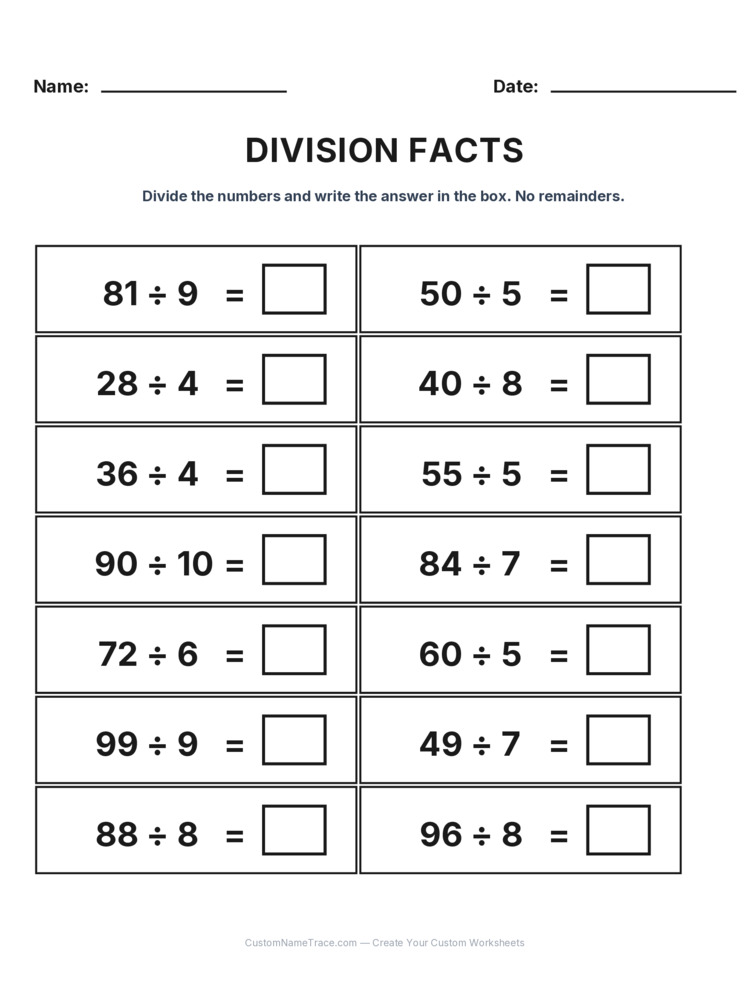
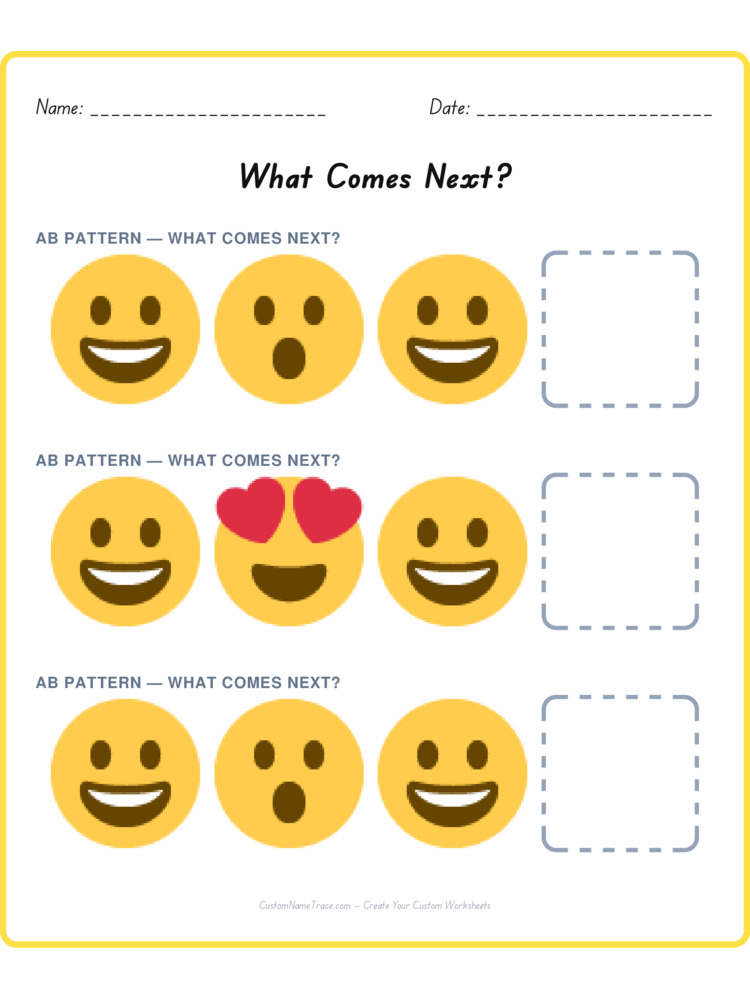
Every bundle here is ten worksheets built around one specific skill — not ten worksheets loosely grouped under a grade, and not the same page copied ten times with a new date stamped on it. Each one uses a freshly generated set of numbers or content, so a student who flies through the first page in four minutes still has nine more genuinely different pages ahead, not nine repeats dressed up as new. That distinction matters more in a classroom than it sounds like it should — students notice fast when "new" practice is really the same three problems reordered, and the moment they notice, practice stops feeling like practice and starts feeling like a formality nobody believes in.
The problem a bundle actually solves
It isn't that individual worksheets are hard to find on this site — browsing by grade and skill was already built to be fast. The problem a bundle solves is entirely about time, specifically the ten minutes before a lesson when a plan changes and a stack of practice sheets needs to exist five minutes ago. A sub is walking in and needs something self-explanatory left on the desk. A skill needs reinforcement RIGHT NOW because half the class bombed the exit ticket and tomorrow can't start the same way today ended. A parent emails asking for extra practice before conferences, and "I'll put something together this weekend" isn't really an answer. None of those moments leave room for browsing — they need one click, one download, print, done. That's the whole use case, and it's a real one, not a manufactured excuse to sell a bigger PDF.
How I actually use these in a classroom
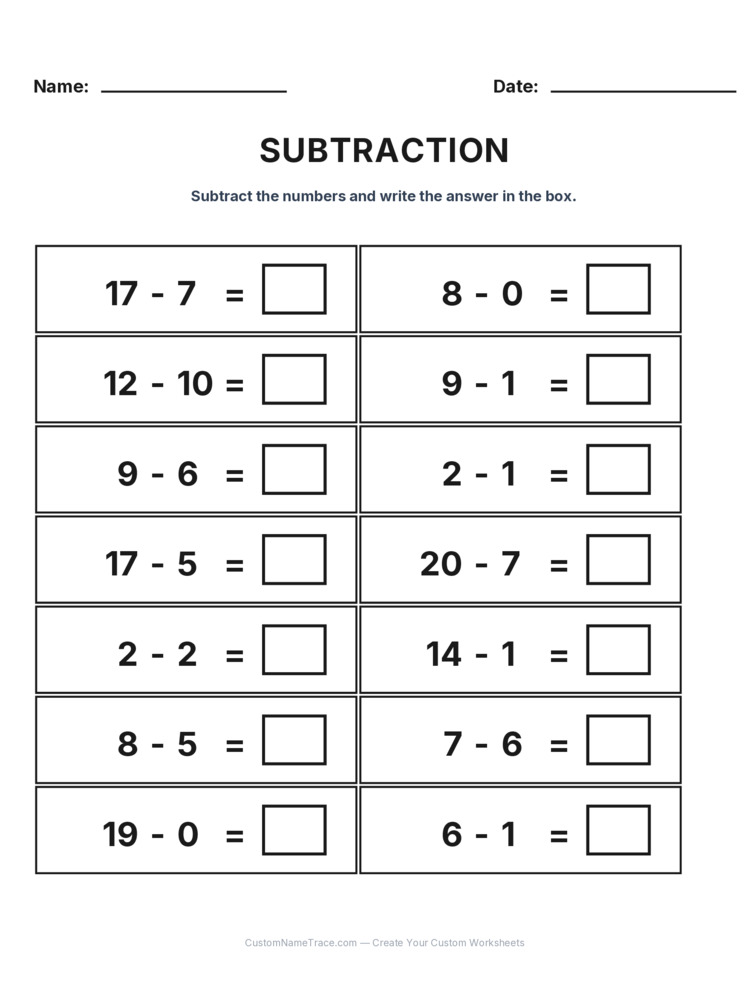
A bundle works best as the backbone of a specific stretch of practice, not as the whole curriculum for a week. If regrouping is the skill du jour, I'll print a subtraction-regrouping bundle and rotate through it as morning work, or hand it out as a choice during independent centers, letting kids self-pace through the ten pages rather than forcing everyone through page three on the same day at the same time. It's also the fastest way I've found to differentiate quietly — one bundle at grade level for most of the class, a bundle from the grade below already loaded and ready for the two or three kids who need the extra step back, with nobody needing to announce out loud which stack came from which download or why. Nobody's practice sheet gets a label that says "easier."
Where bundles fit for a homeschool parent
The classroom use case gets most of the attention, but a homeschool parent building out a real sequence — not just downloading one worksheet whenever a gap shows up — tends to use bundles even more deliberately. Working through addition within 20, then subtraction within 20, then a mixed-review bundle to make sure both stuck, gives a parent ten genuinely different problem sets to draw from over a week or two without having to sit down and hunt for the next page each time the last one gets finished. It turns "grab a worksheet" into "here's this week's math folder," already sorted, already printed, already enough.
Picking the right bundle instead of the closest one
The instinct when browsing is to grab whatever bundle matches the grade level on the report card, but the more useful signal is what a student can actually do right now, independent of what grade they're technically in. A fourth grader still shaky on regrouping gets more out of a Grade 2 regrouping bundle than a Grade 4 bundle that assumes it's already solid. Matching the bundle to the skill gap rather than the grade label is the difference between practice that builds real fluency and practice that just confirms a student can guess their way through a worksheet that's slightly too hard for them.
Ten worksheets, and why not more or fewer
Ten isn't an arbitrary round number — it's roughly what fits a two-week stretch of practice at two or three sessions a week without either running out mid-unit or sitting half-used in a folder. A five-worksheet bundle would need restocking constantly; a twenty-five-worksheet bundle starts drifting into padding territory, where the back half exists mostly to make the download feel bigger rather than to serve a real chunk of practice time. Ten also happens to match how most of the grade-level skill progressions on this site are actually scoped — enough repetition to build real fluency on one specific number range or format before a student is ready to move to the next one.
The moment to stop using a bundle
A bundle is doing its job when a student is still making real progress from page four to page seven — different mistakes, fewer of them, faster completion times, less finger-counting and more straight recall. It's stopped doing its job the moment a student is coasting through correct answers without any visible effort, which is the actual signal to move up, not the arrival of a new month on the calendar or the last page of the packet. I'd rather cut a bundle short at page six and jump to the next skill than burn through all ten pages just because they're sitting there downloaded and it feels wasteful not to finish them. The worksheets are free and reusable any time — there's no cost to stopping early and no reason to treat ten pages as a quota that has to be cleared before moving on.
Bundles alongside everything else already happening
Nothing about handing out a bundle assumes it's the only math or logic practice happening that week, and treating it that way is the most common way a bundle stops being useful. Most real classrooms and homes mix skills rather than drilling one operation in isolation for ten straight days — a bundle works well as one deliberate stretch (a regrouping week, a fact-fluency sprint) sitting inside a routine that already has other things going on, not as a replacement for the rest of that routine. The bundles on this site are built the same way the individual worksheets are — same PDF engine, same Letter and A4 support, same print-accurate preview — specifically so they slot into whatever's already working rather than asking anyone to change how they teach around them.
What's actually worth remembering about all this
A bundle is a packaging decision, not a content decision — every worksheet inside one is identical to what you'd find browsing the skill directly, researched against the same grade-level progressions, generated with the same guarantee that what you preview is exactly what prints, whether that's on Letter paper in a US classroom or A4 somewhere else. The only thing bundling changes is how many clicks it takes to get a real stretch of practice into a child's hands, which sounds small right up until it's 7:45 on a Monday morning and a lesson plan just changed on you. Free, no account required, ten worksheets, one download — that's the entire pitch, and it's meant to save exactly the kind of time that a Sunday night spent clicking through single pages, one at a time, never should have cost anyone in the first place.