What Kindergarten math actually covers
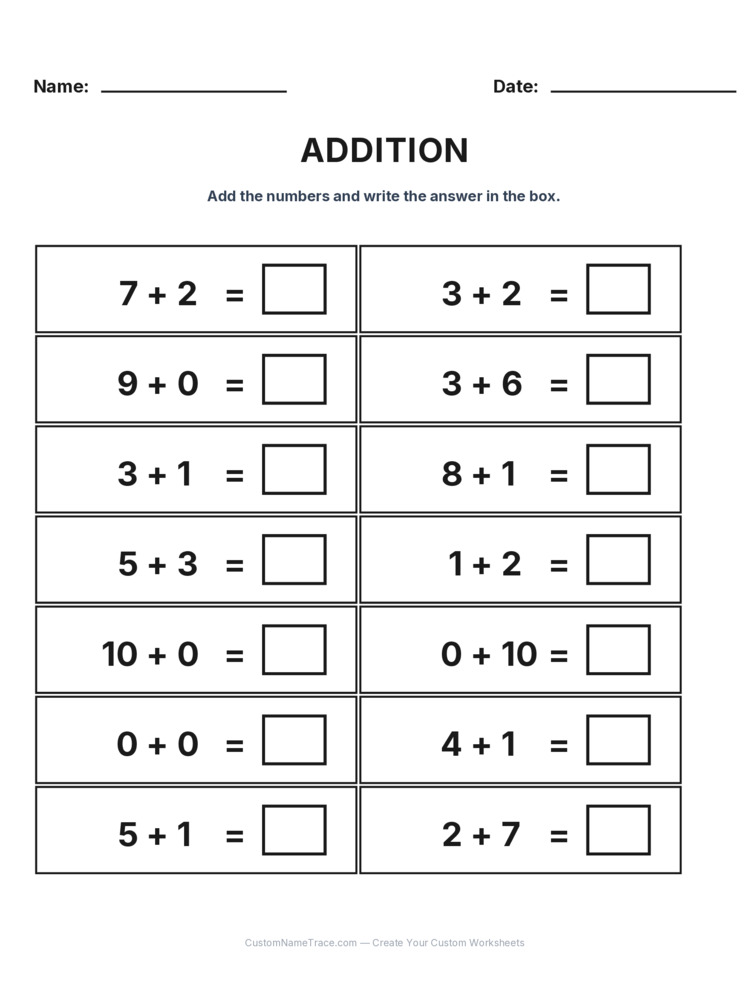
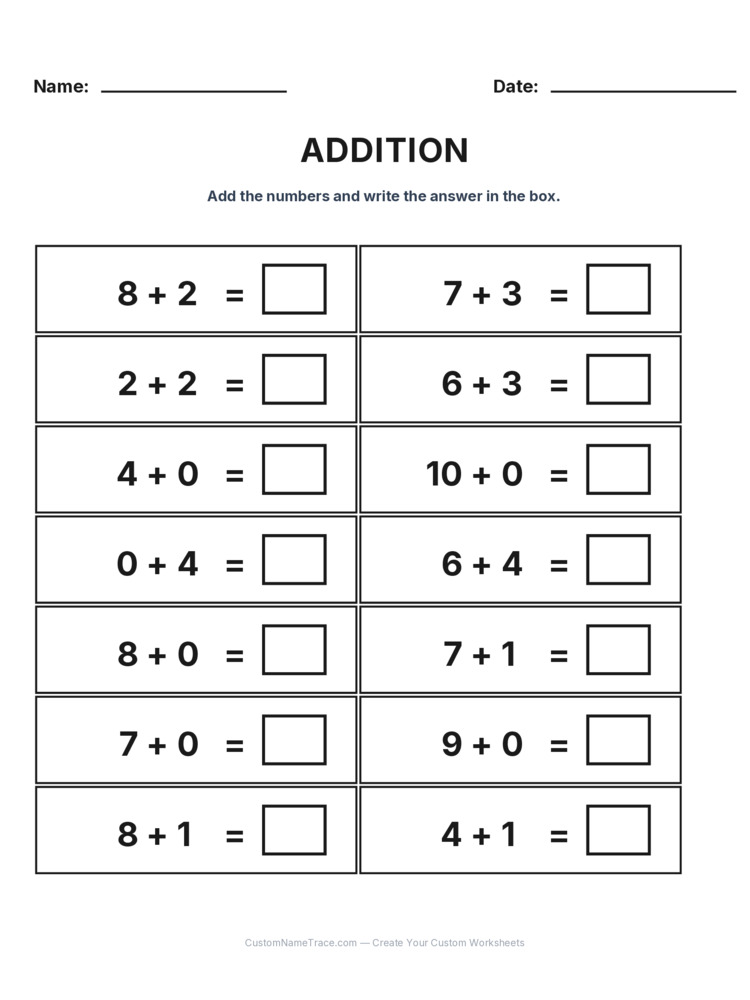
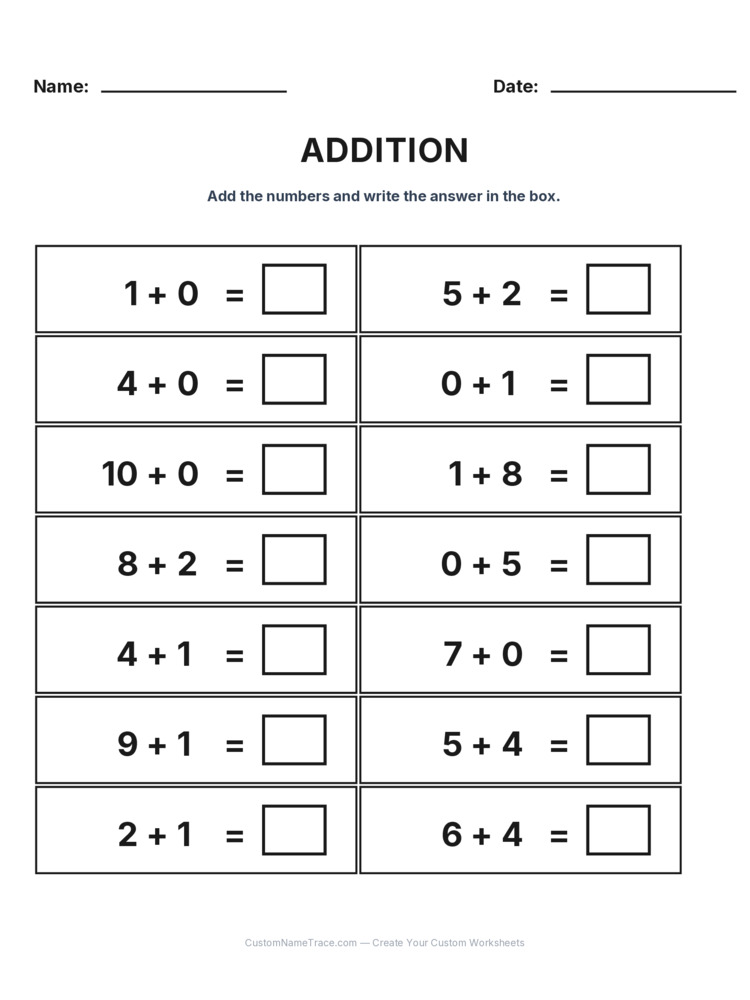
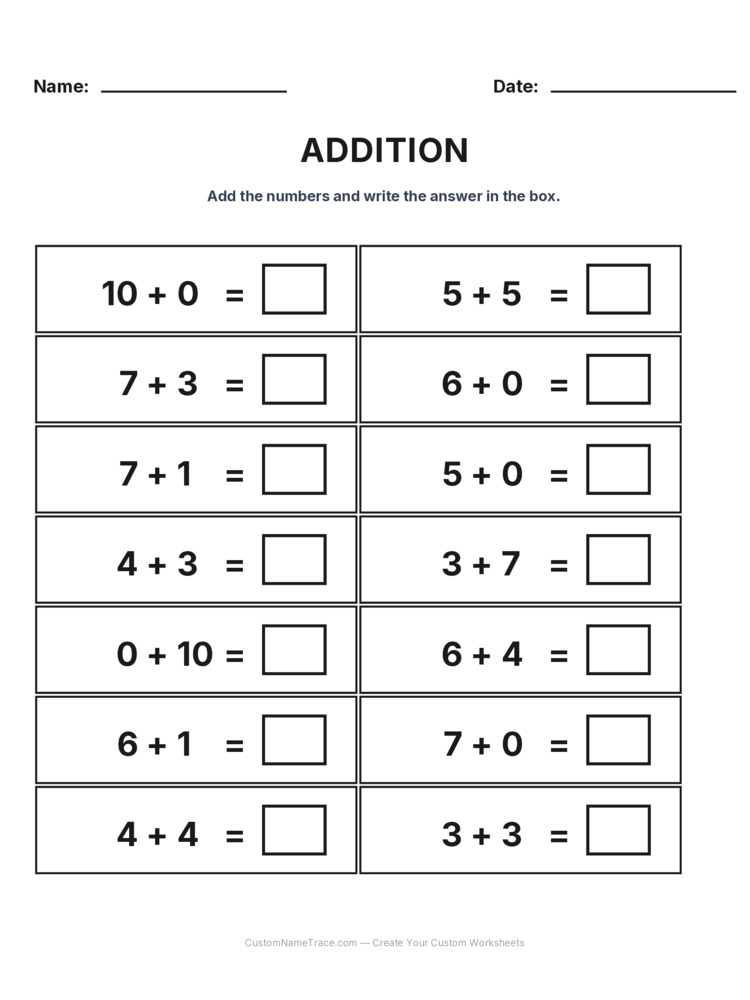
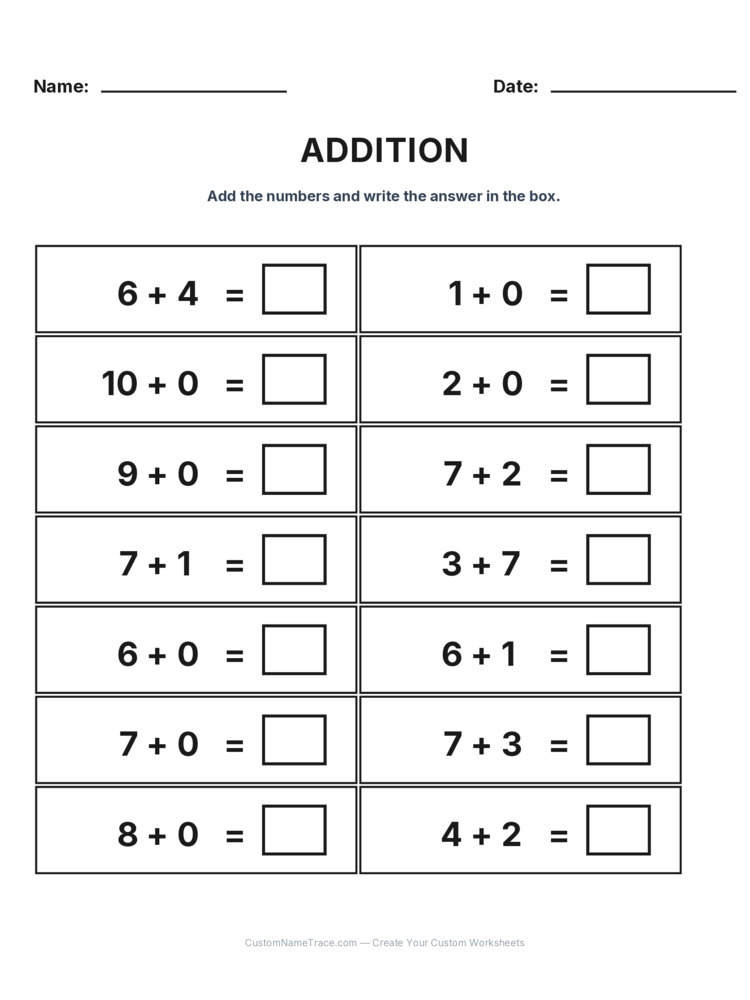
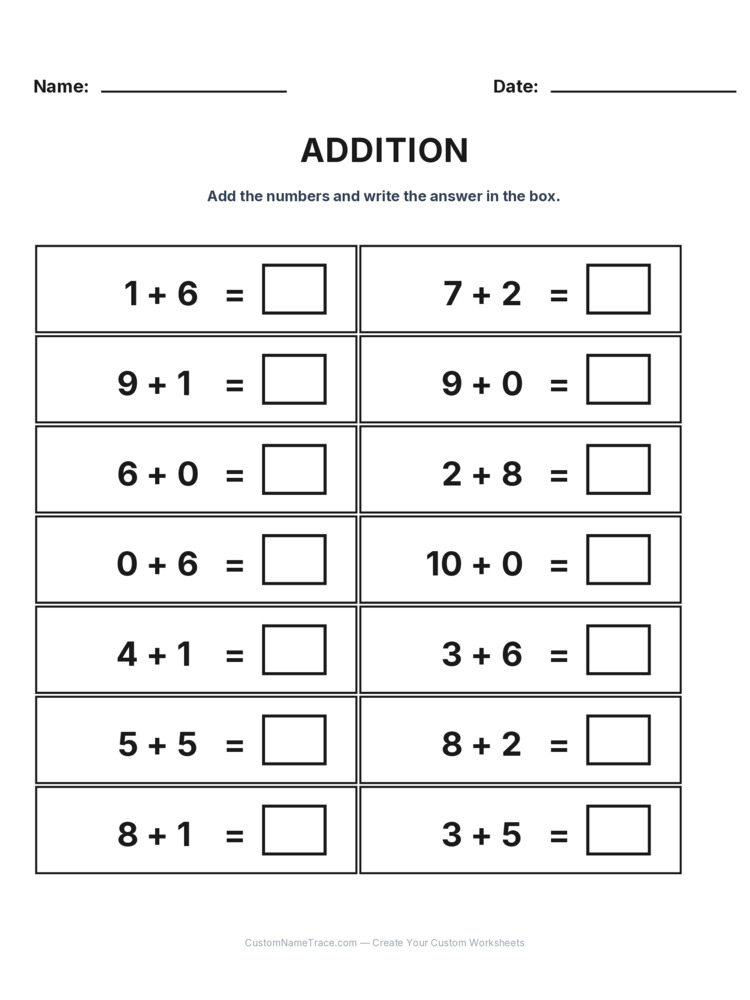
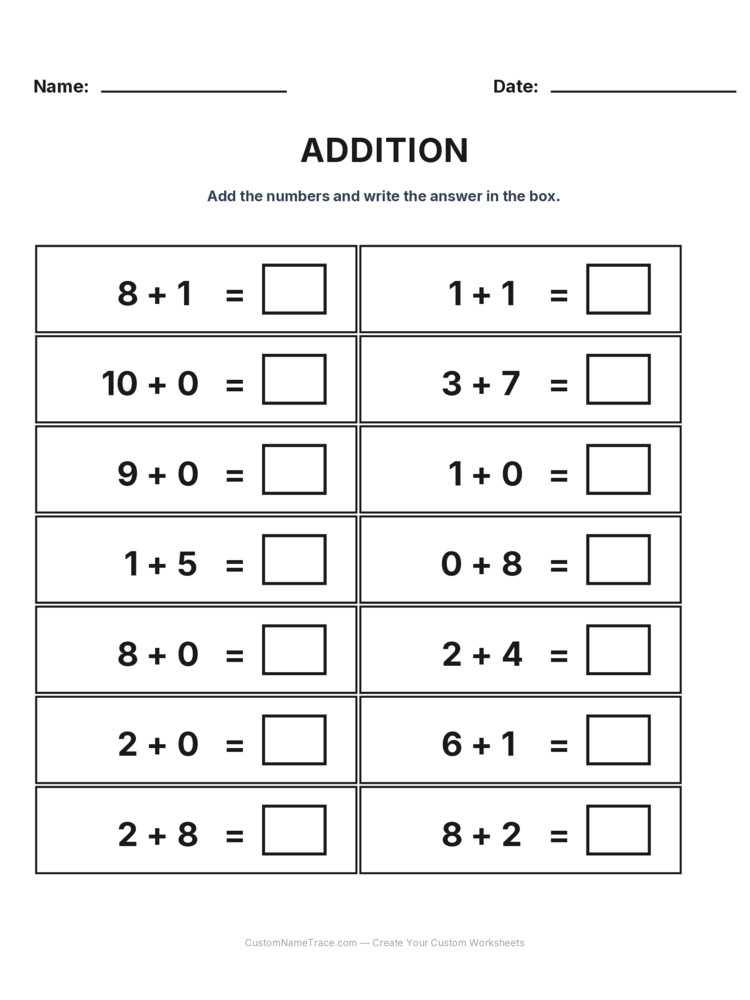
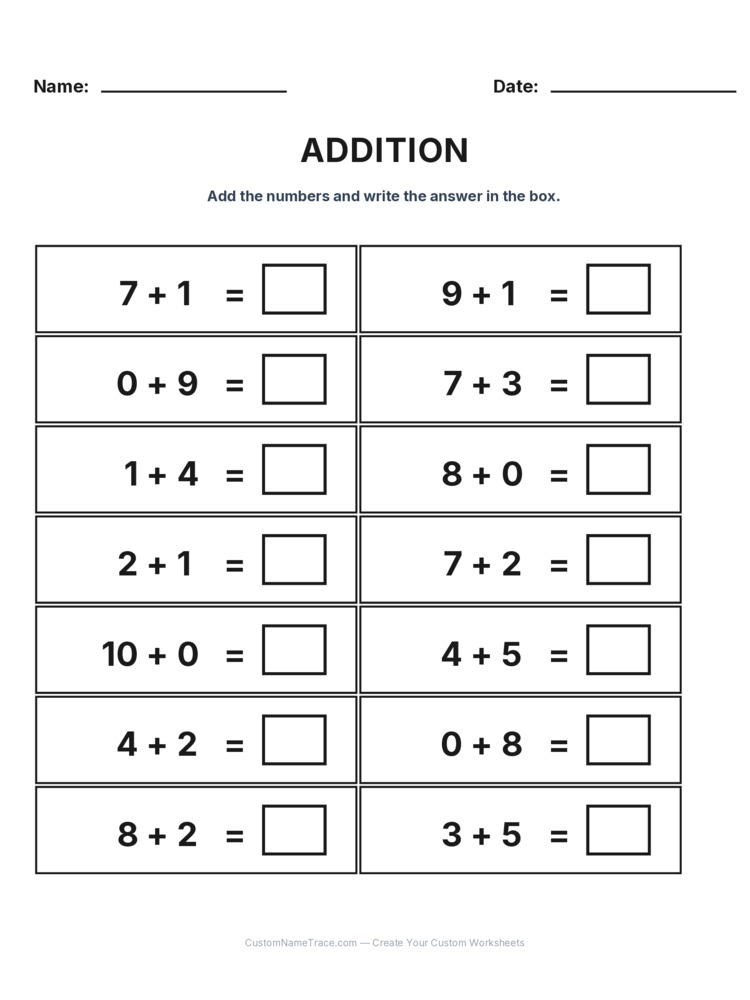
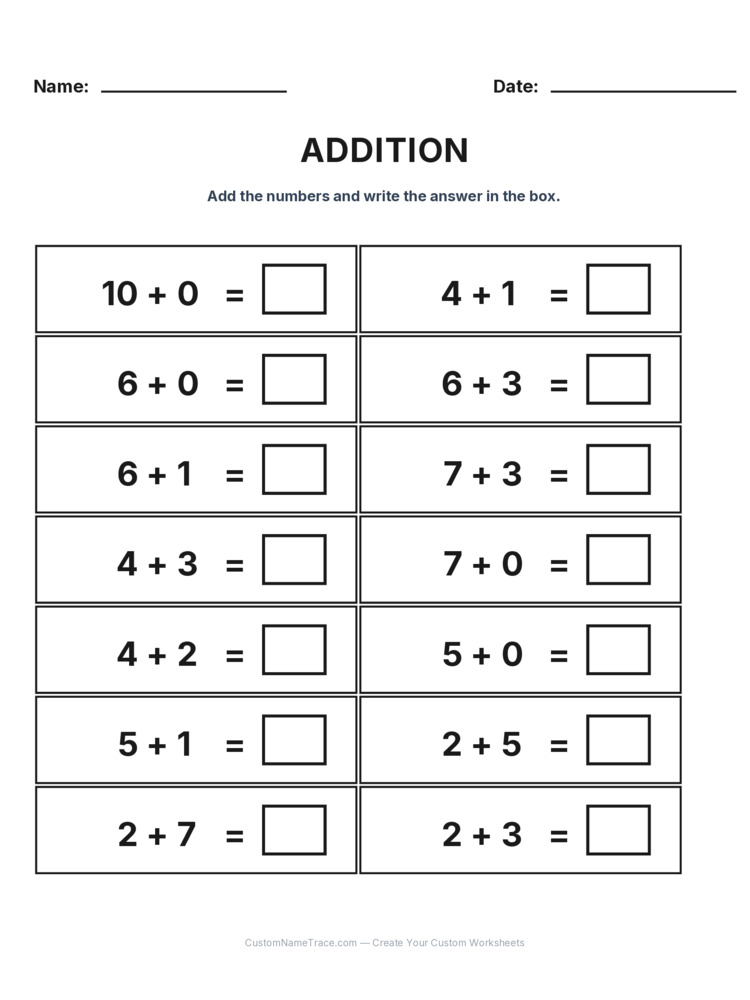
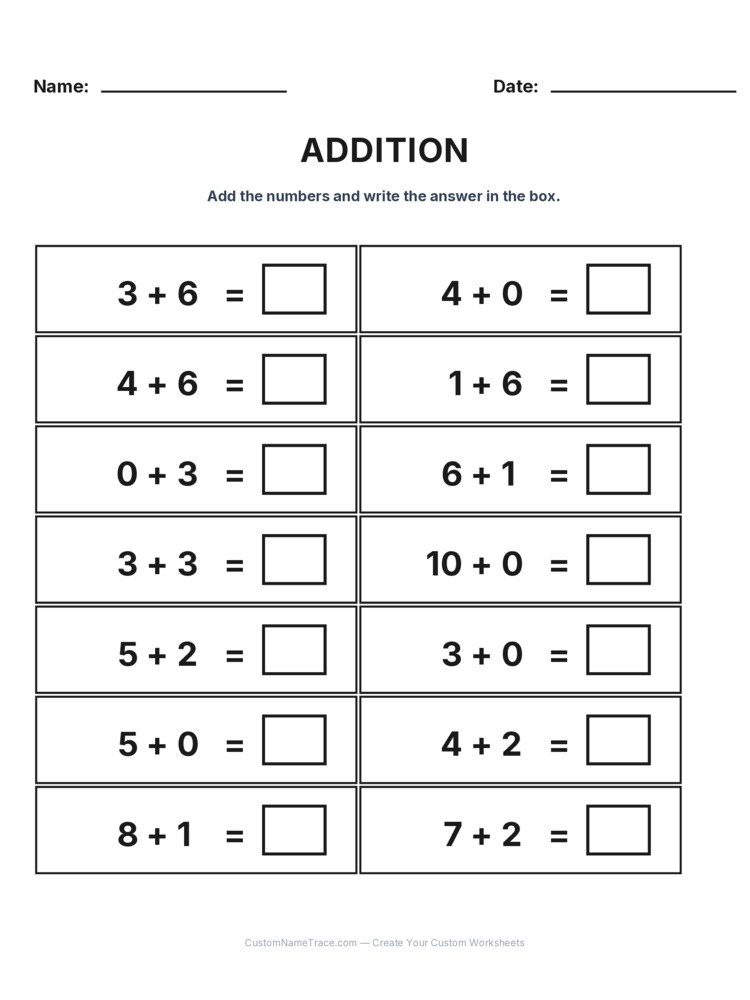
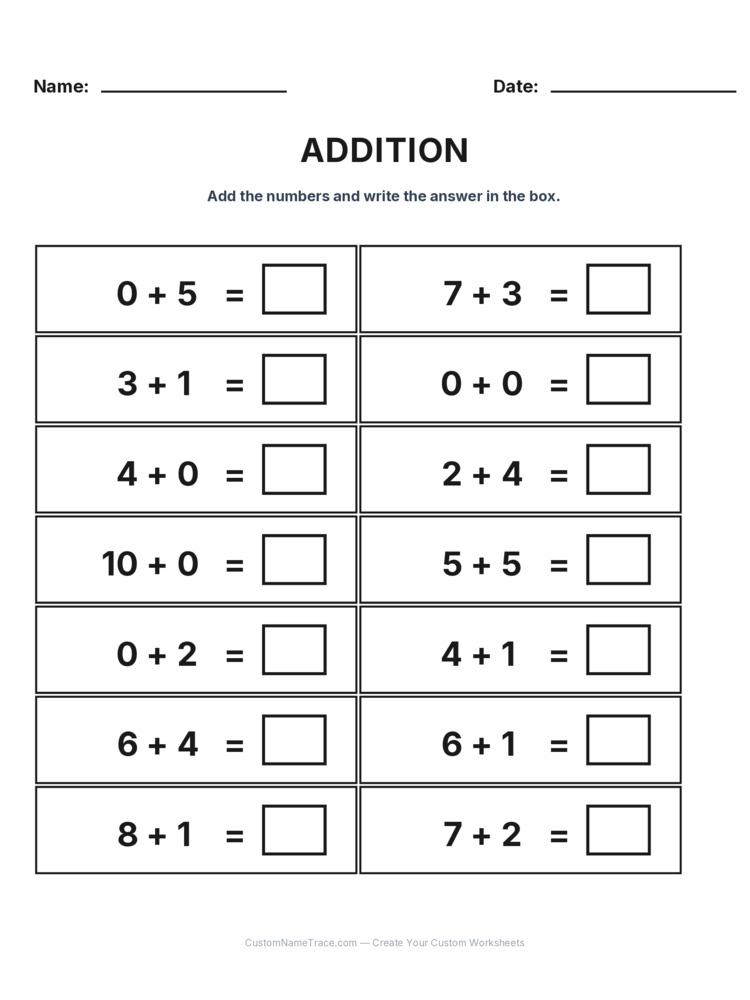
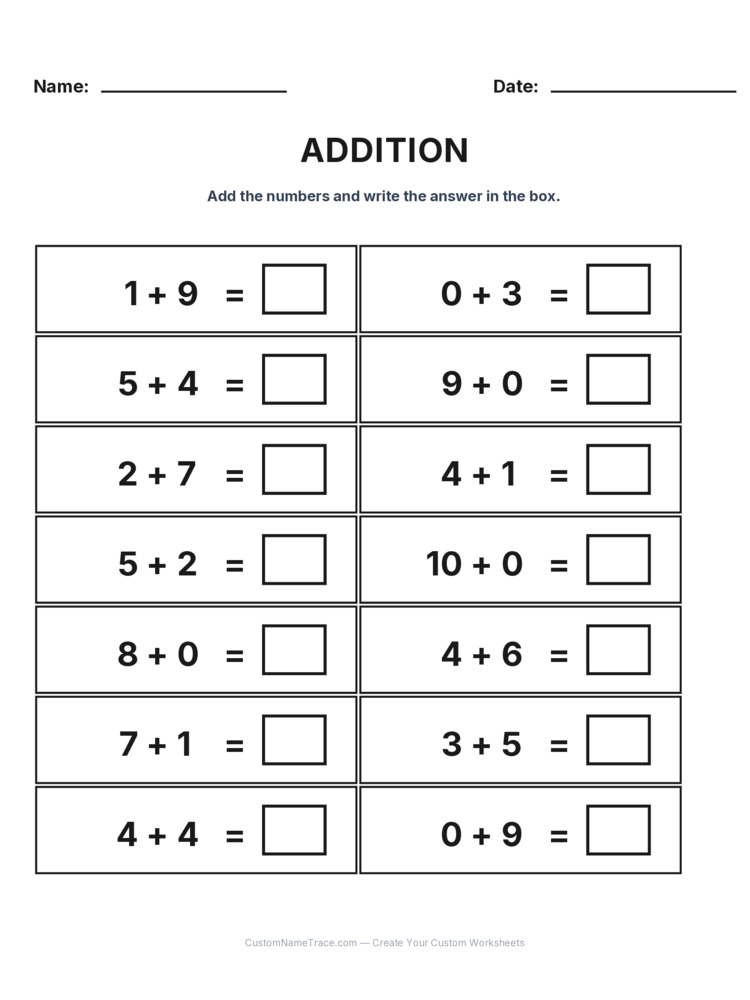
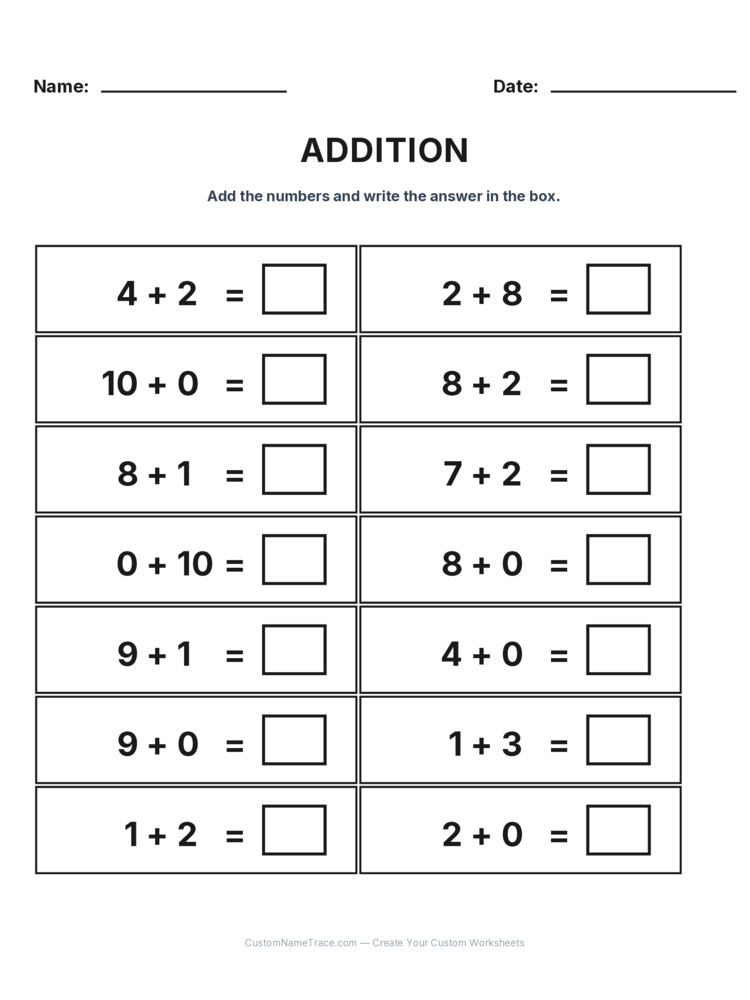
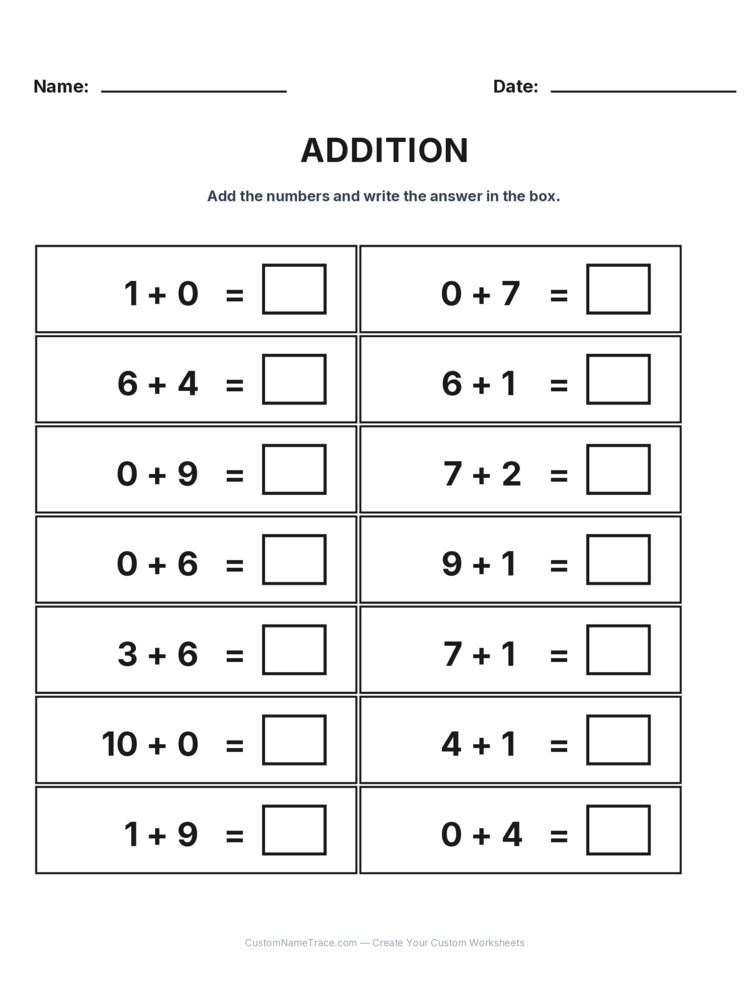
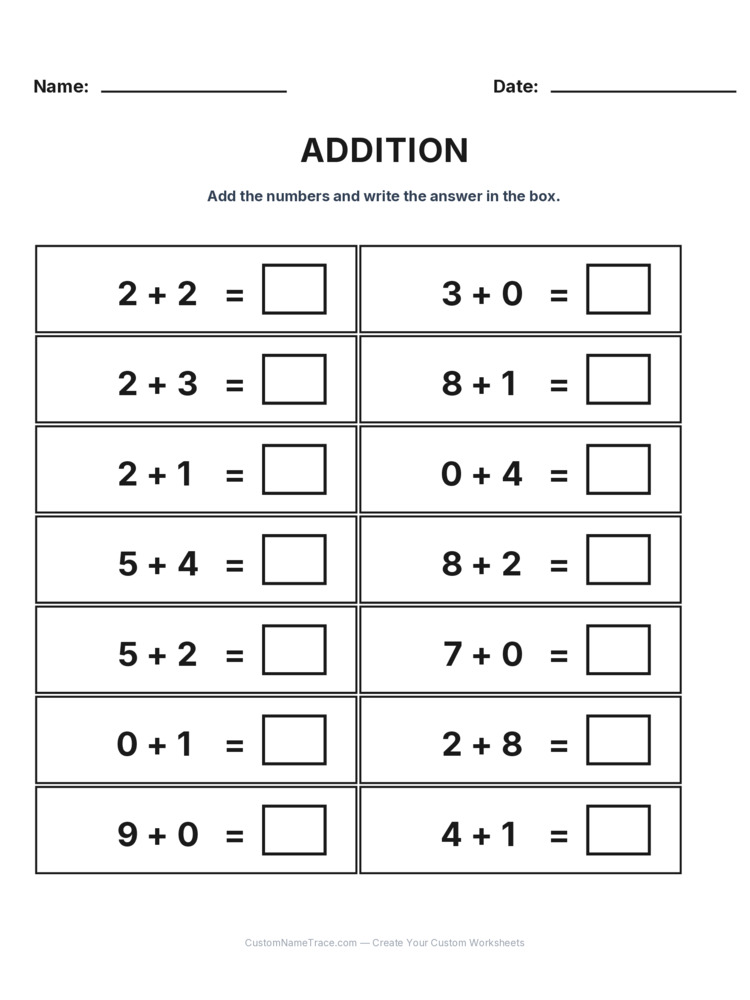
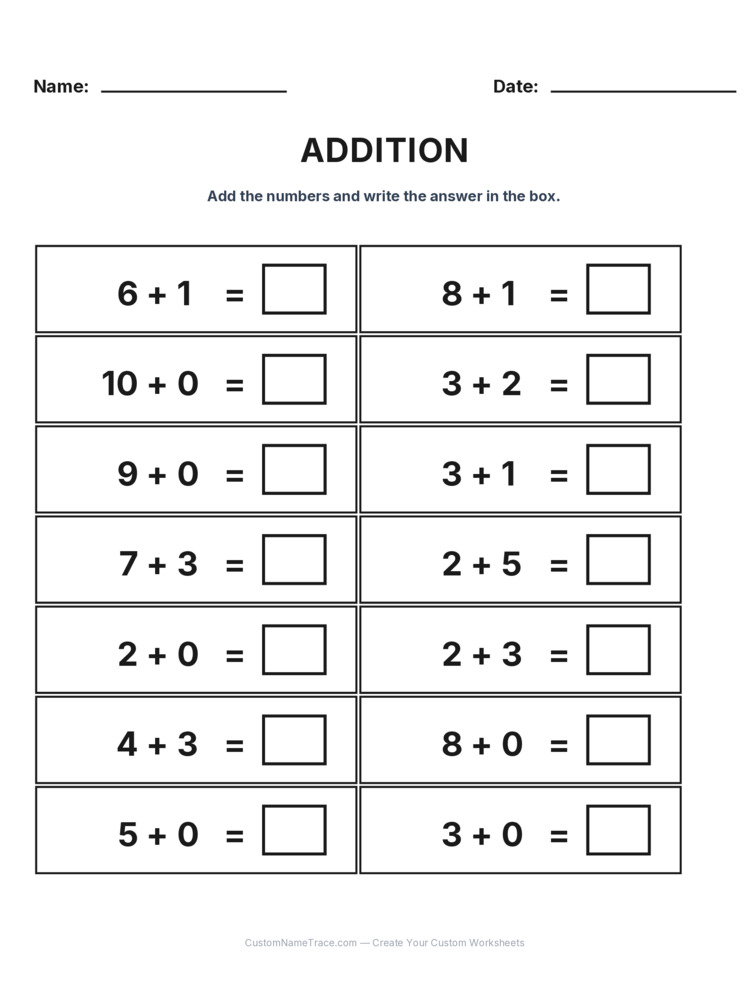
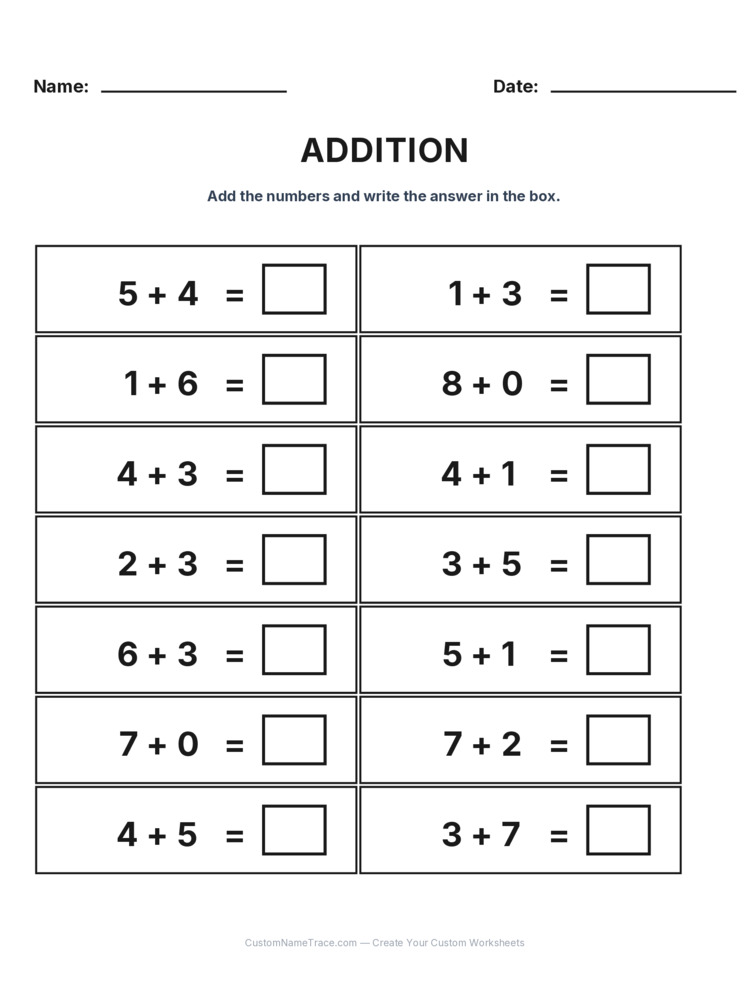
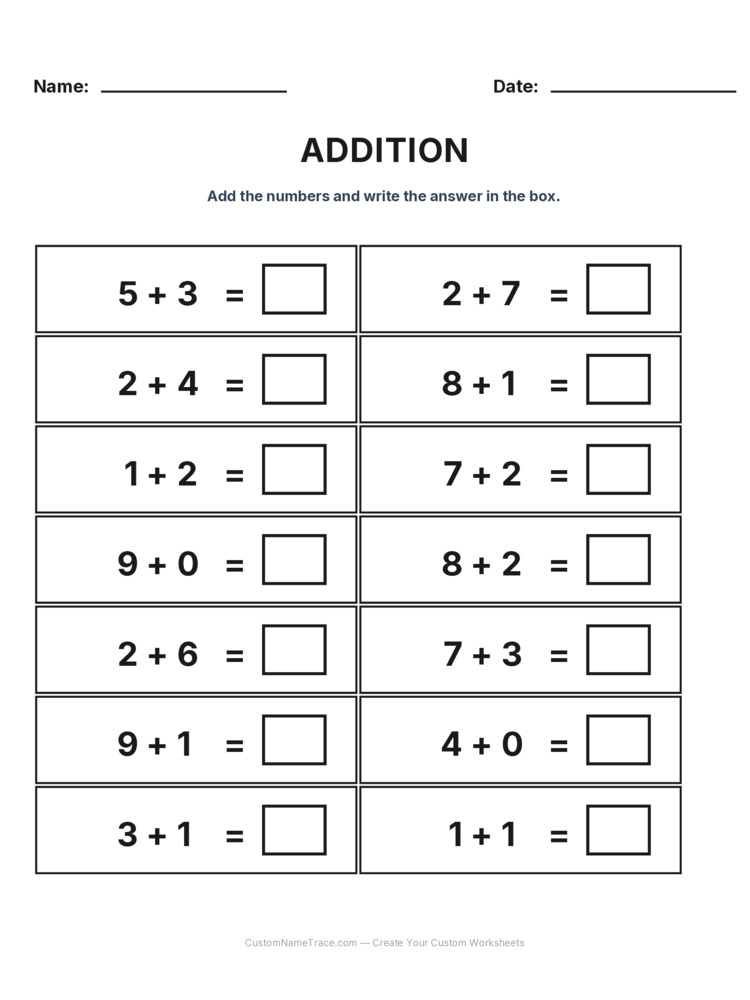
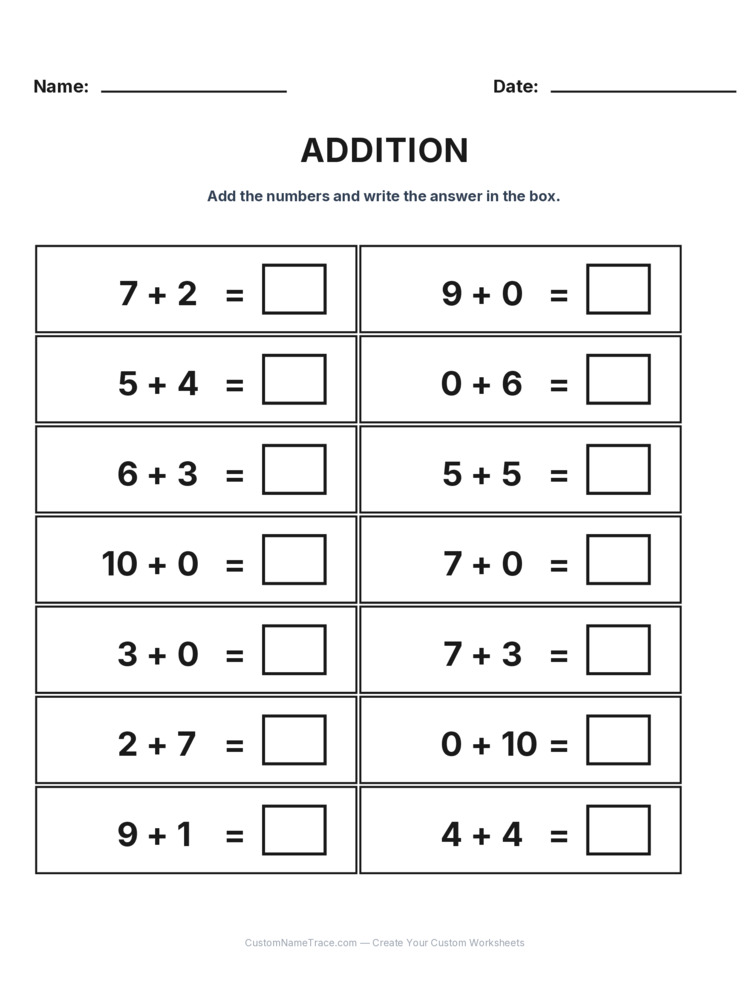
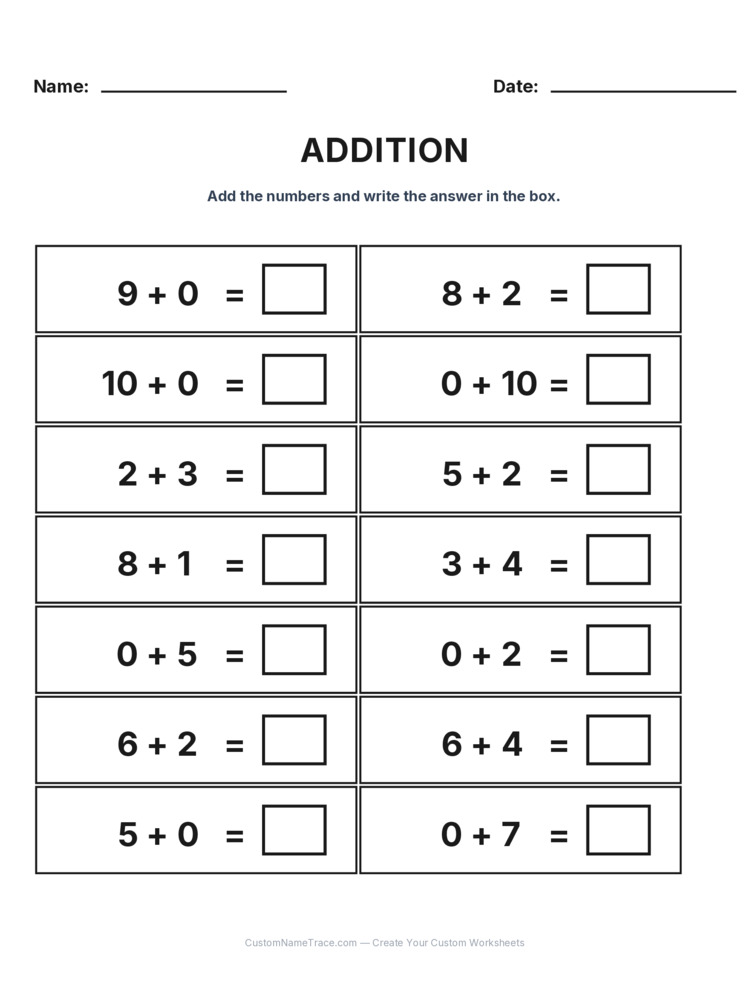
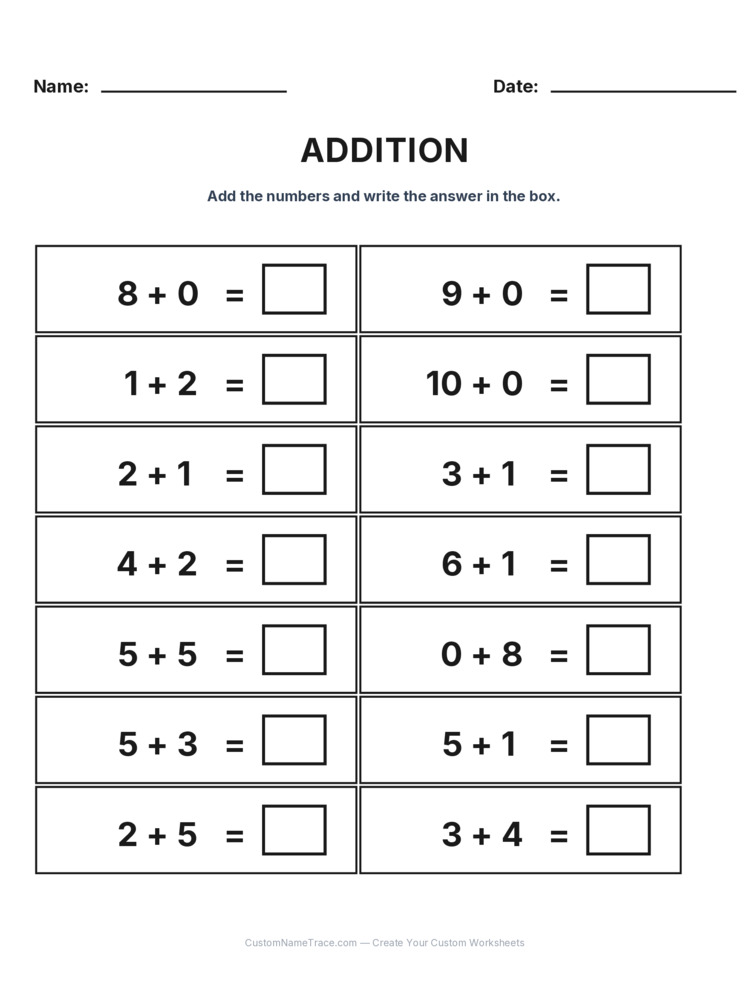
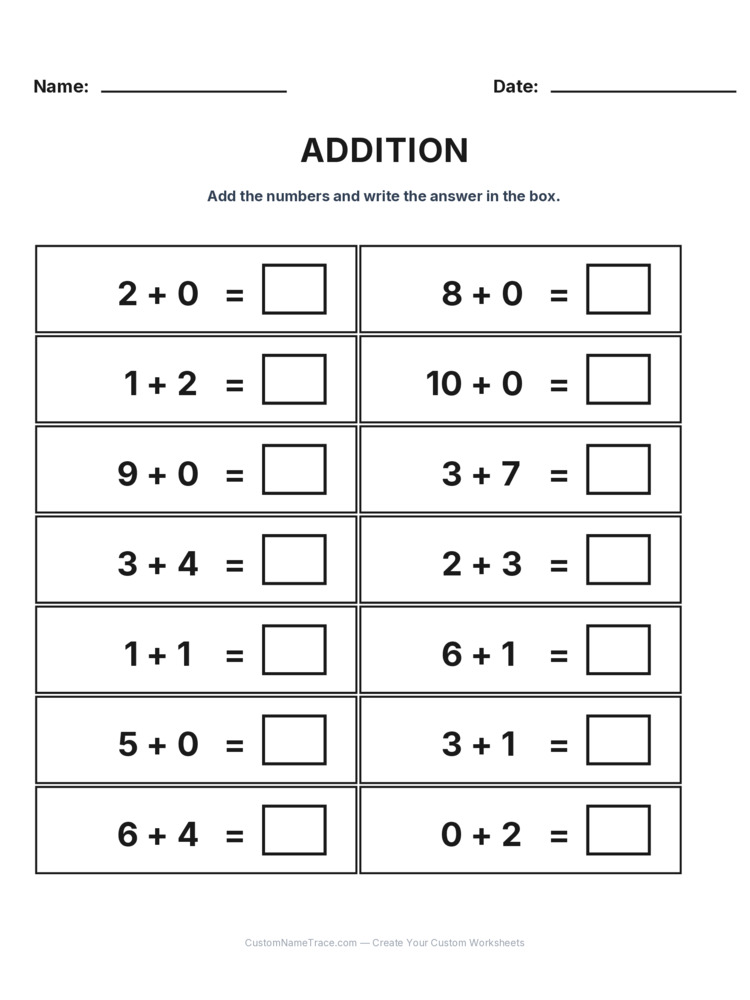
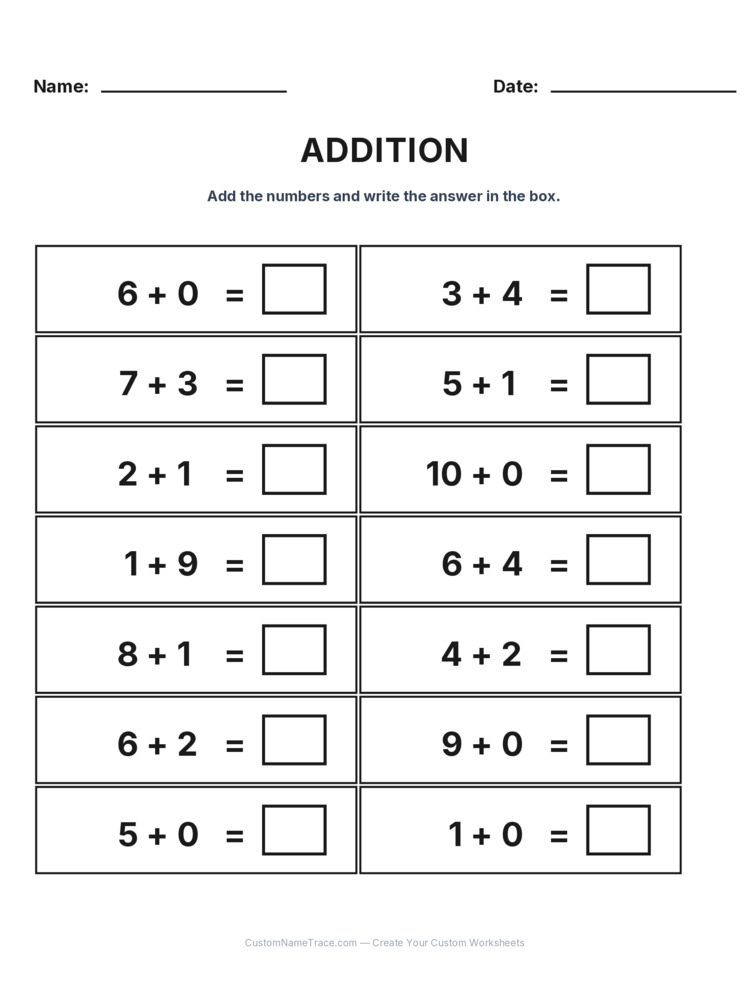
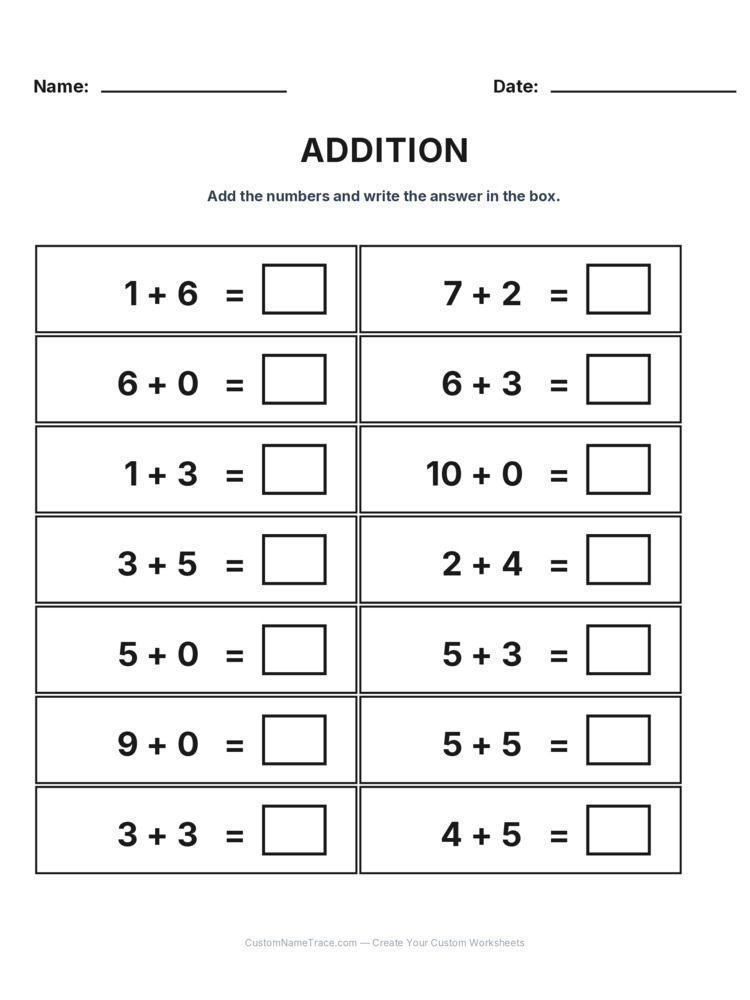
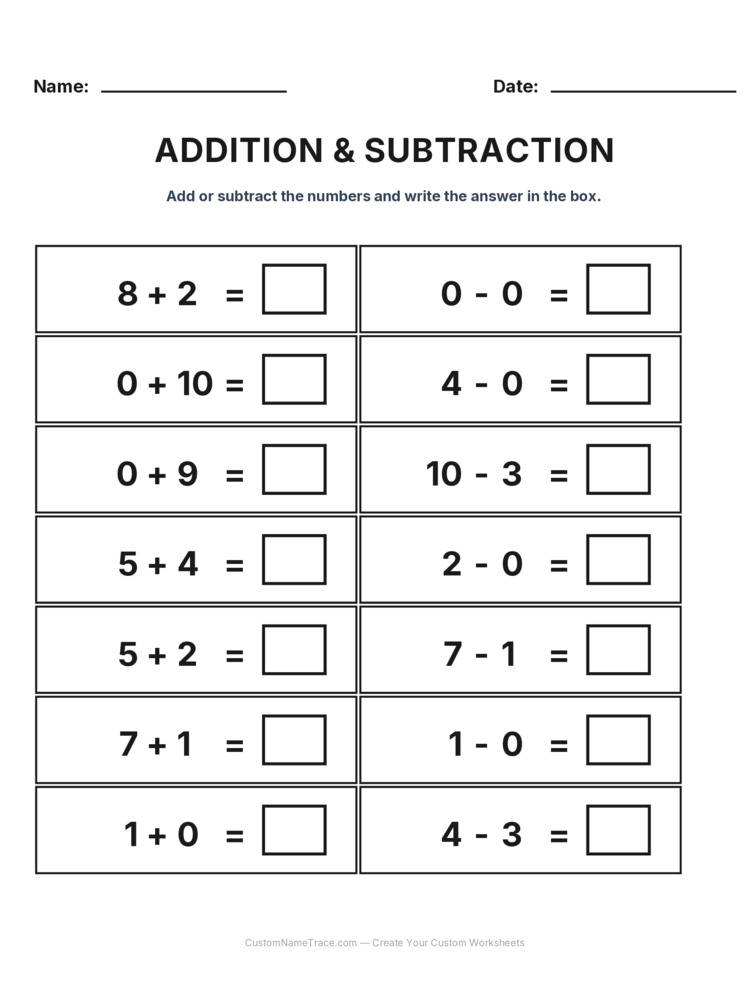
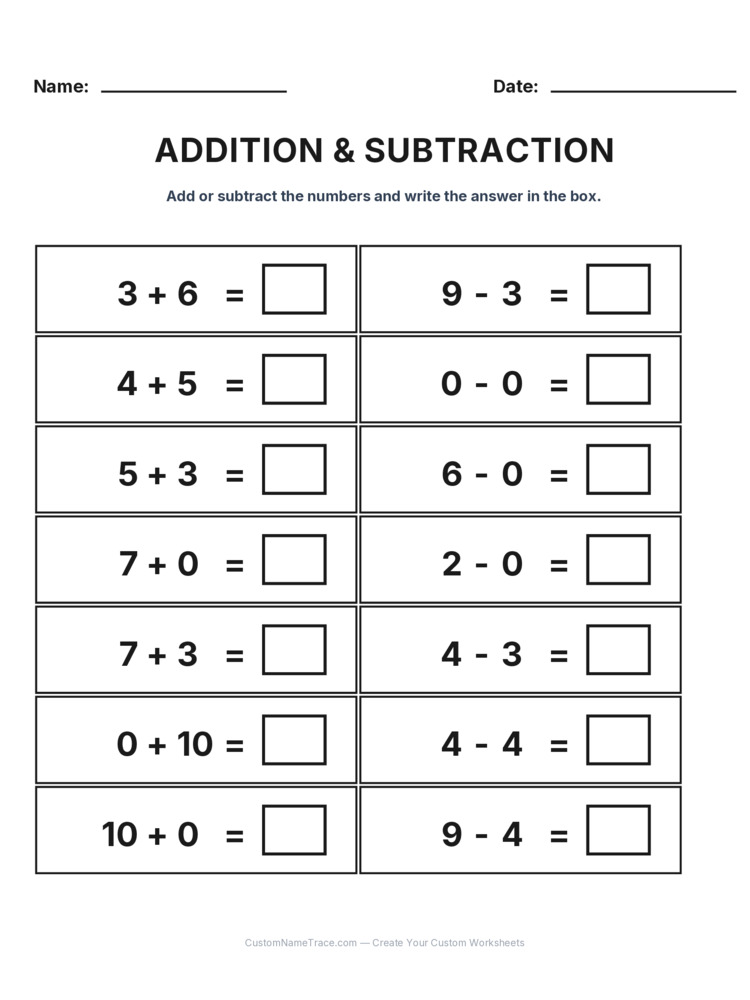
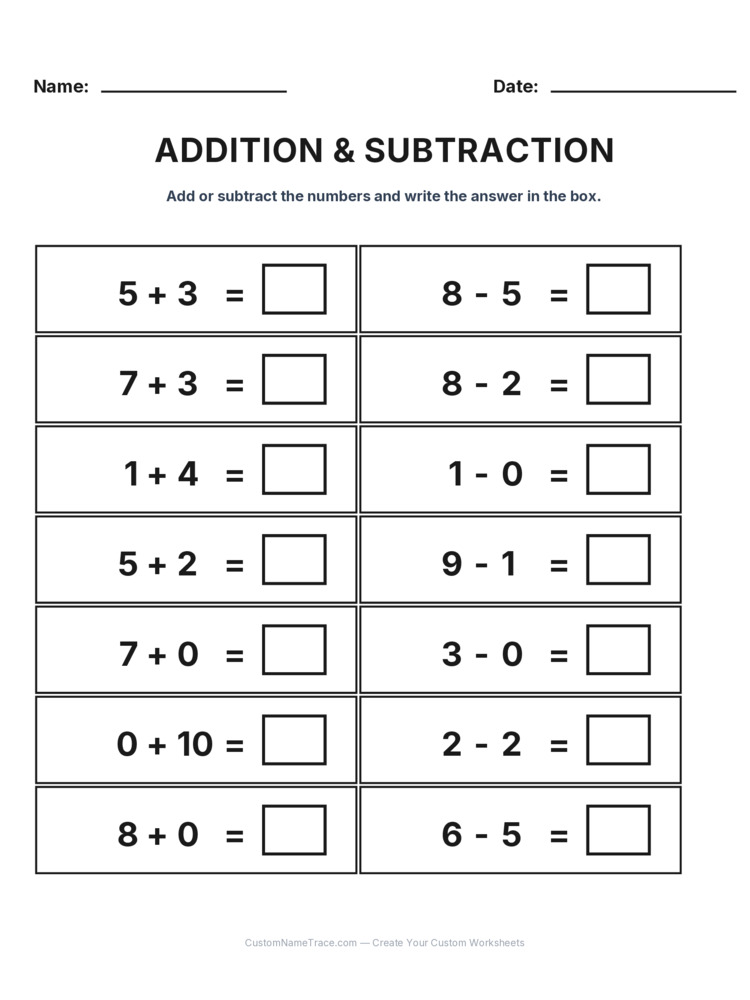
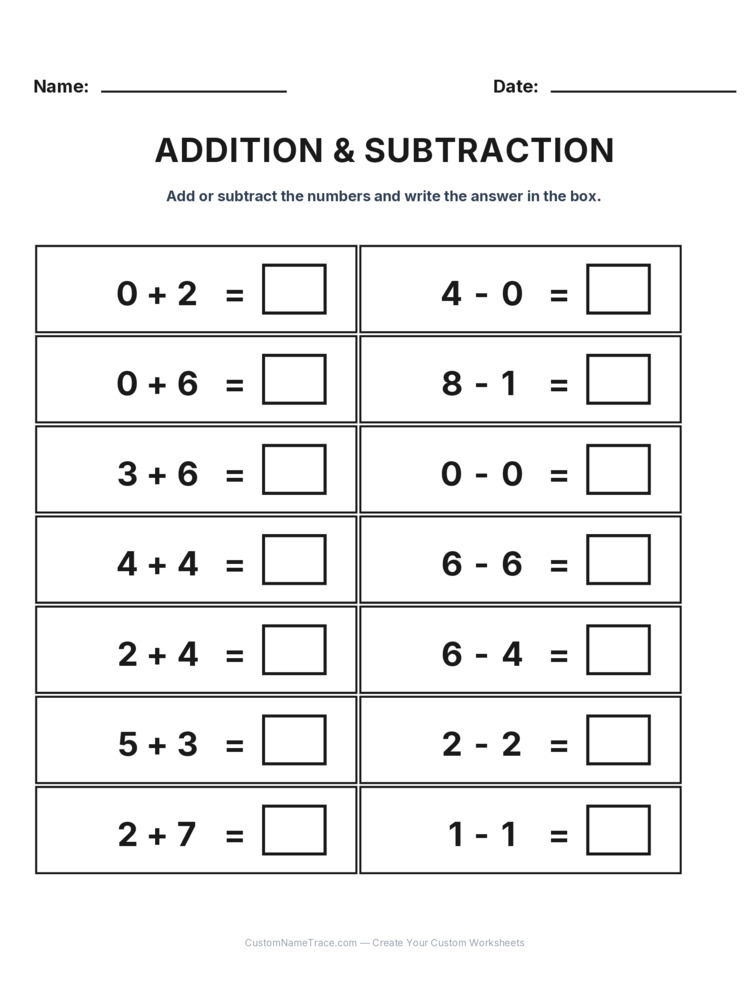
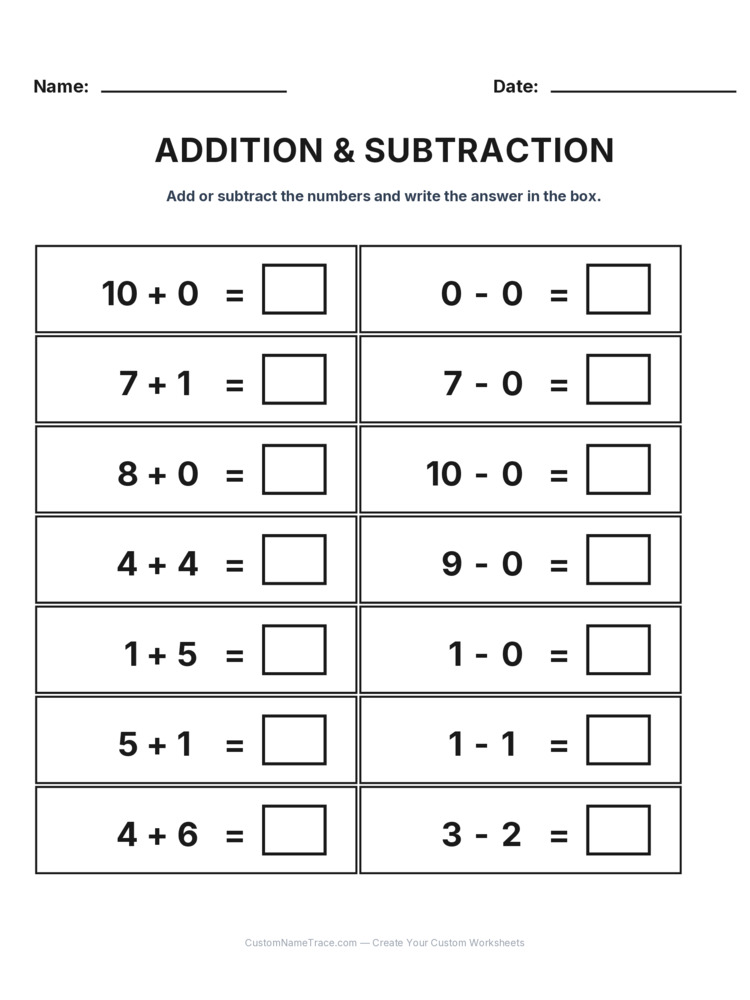
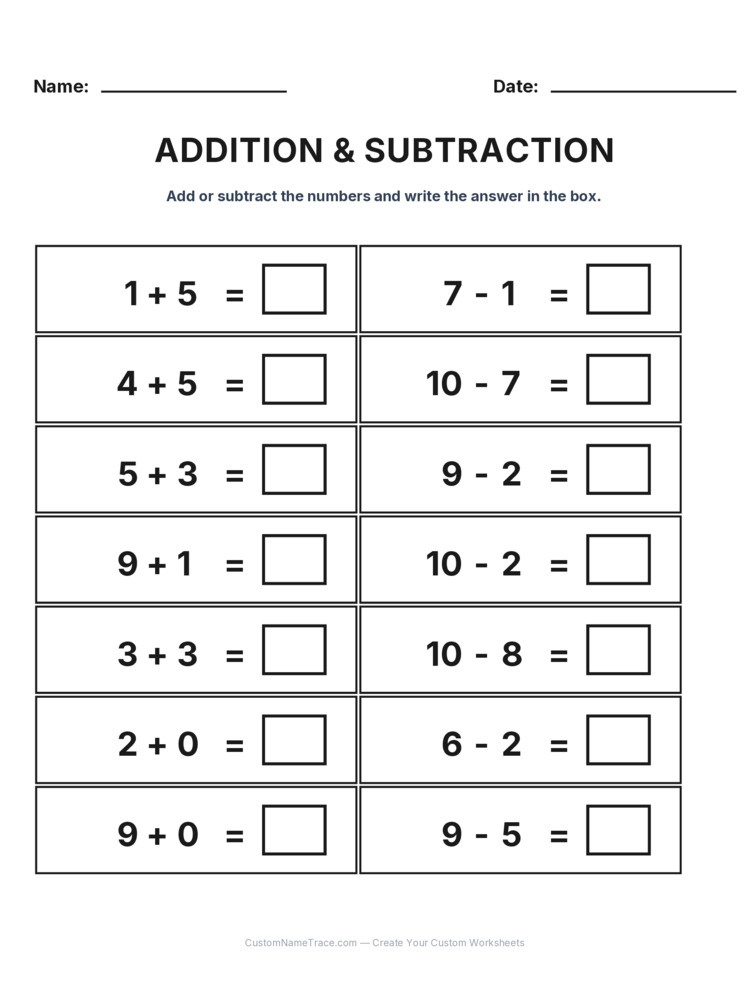
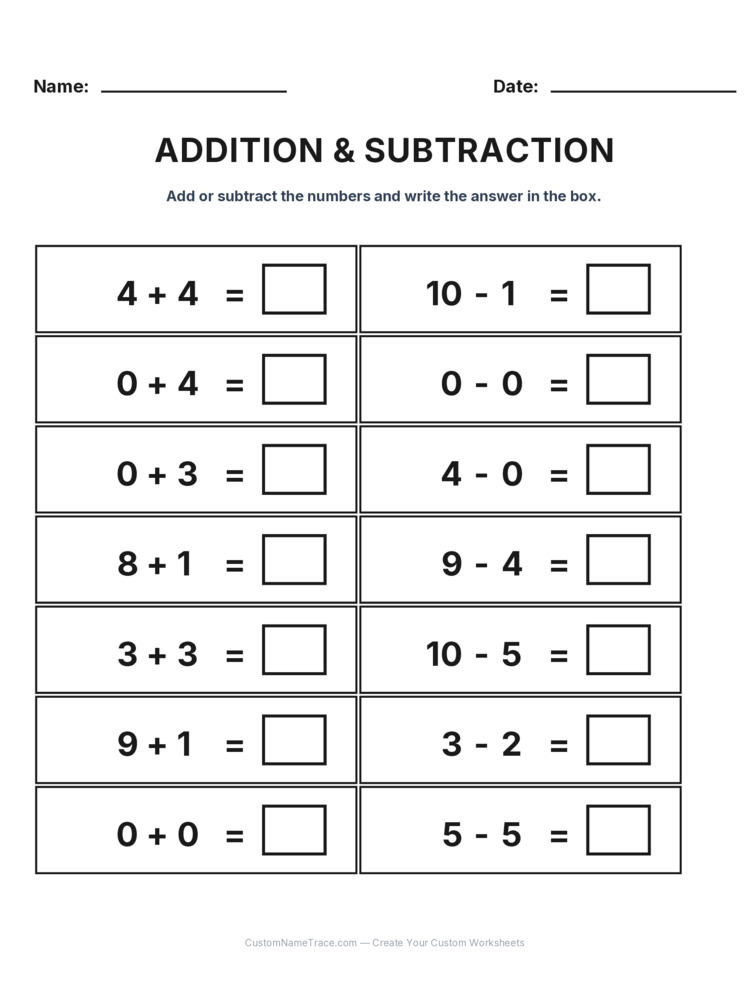
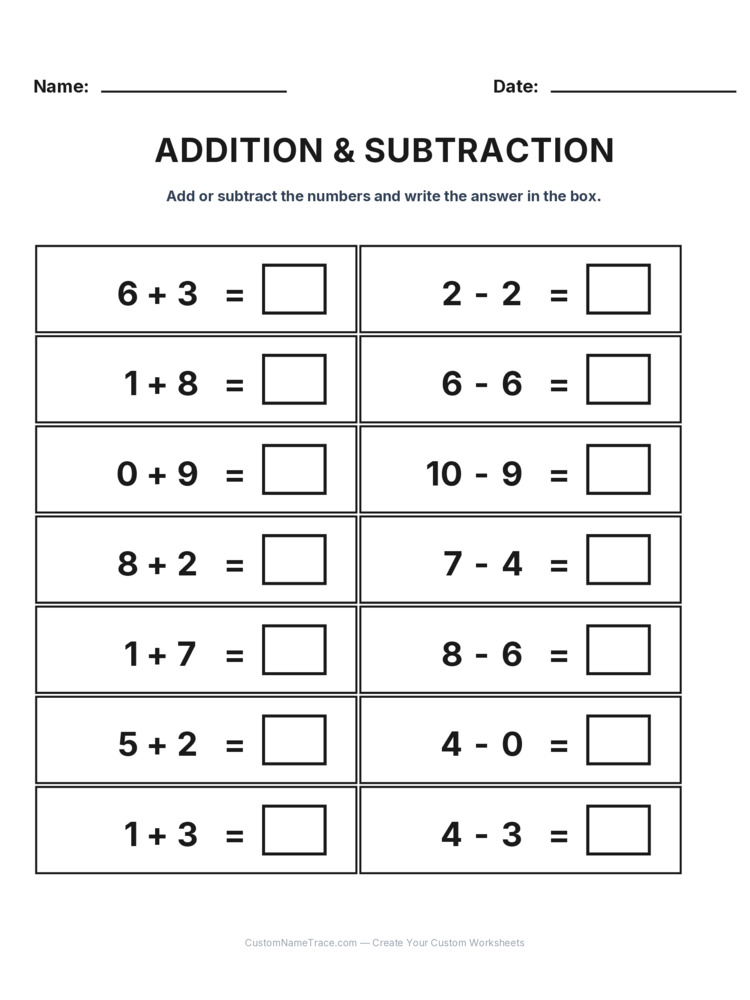
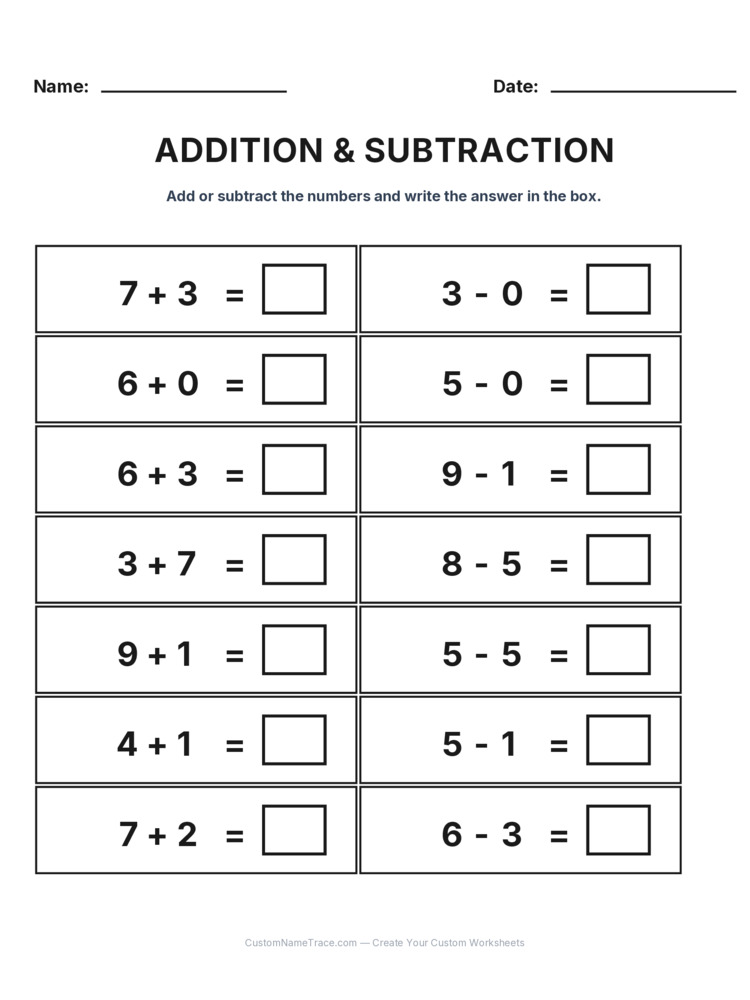
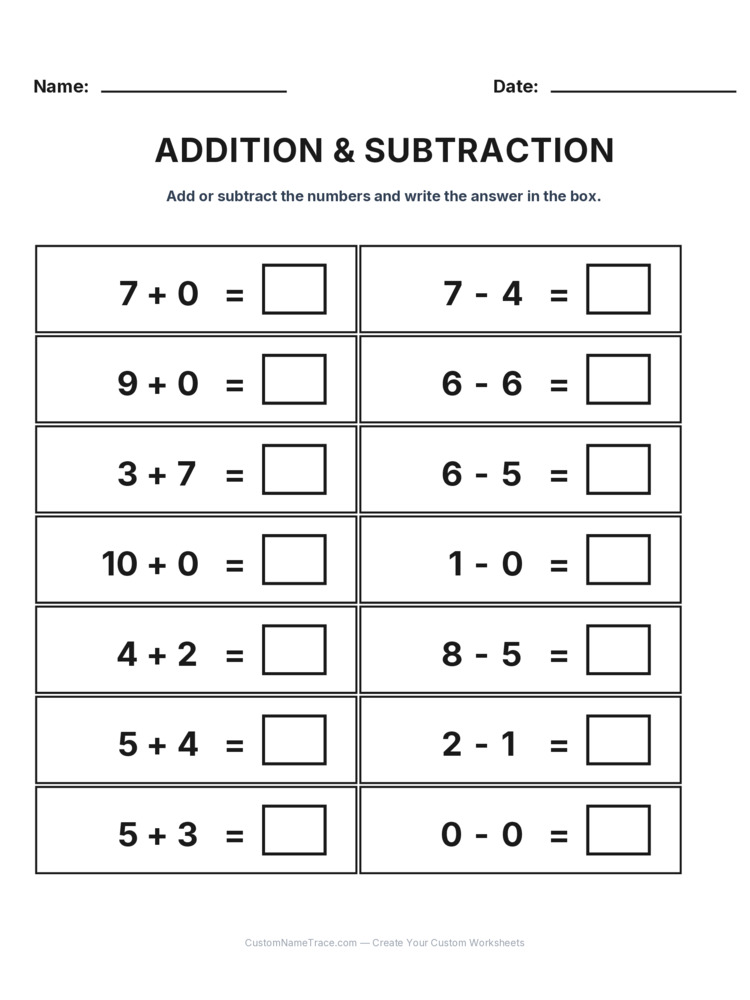
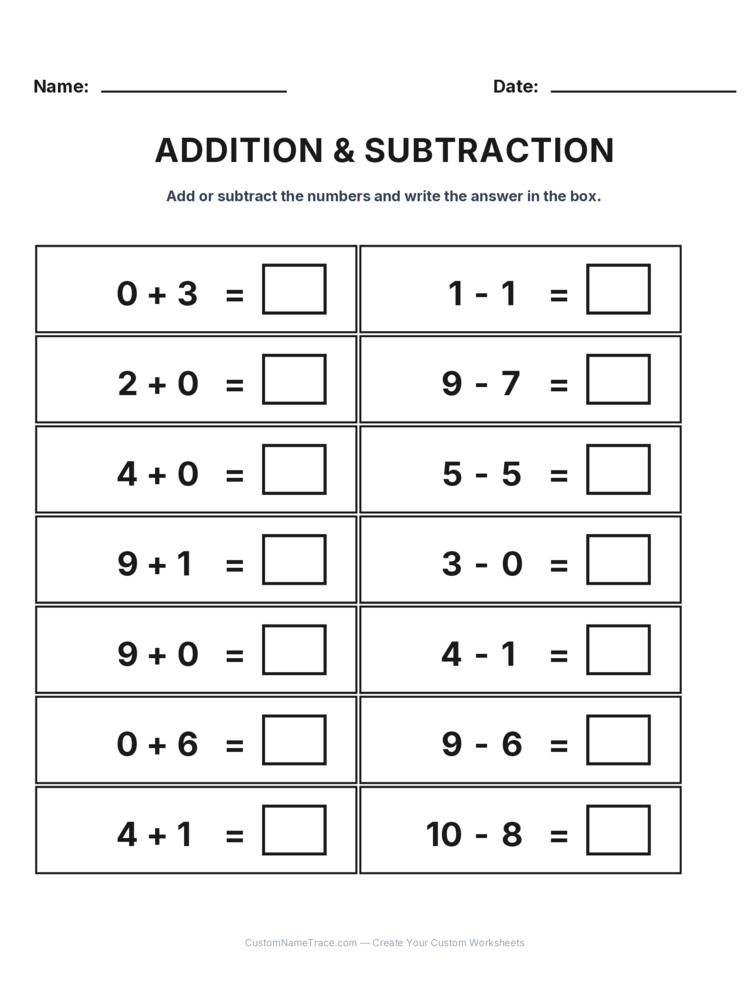
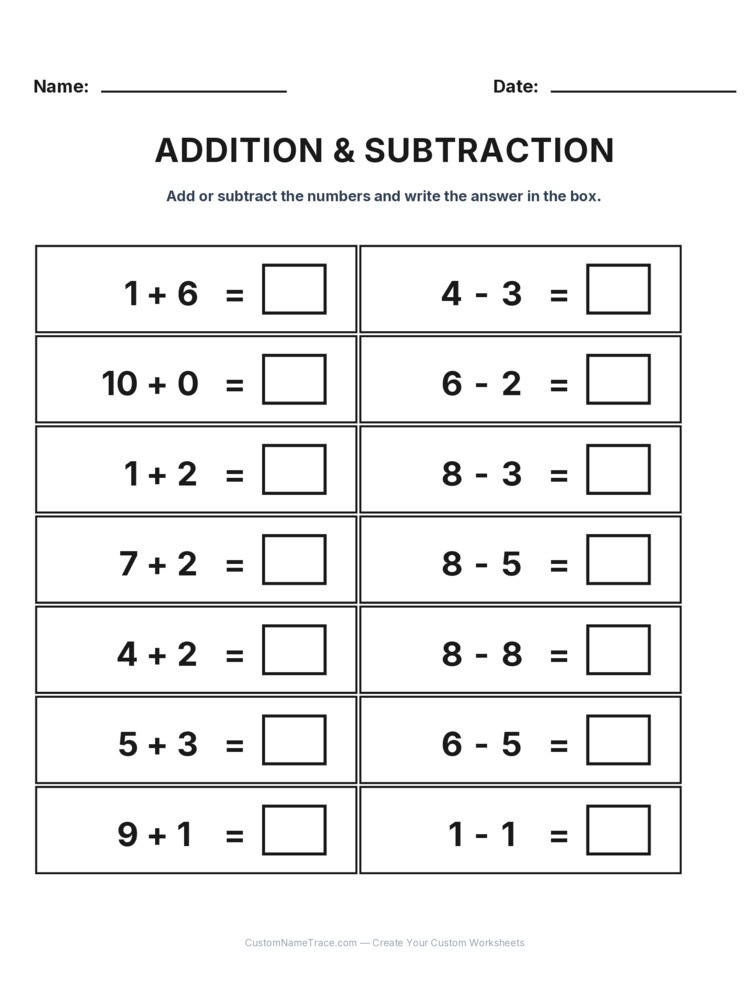
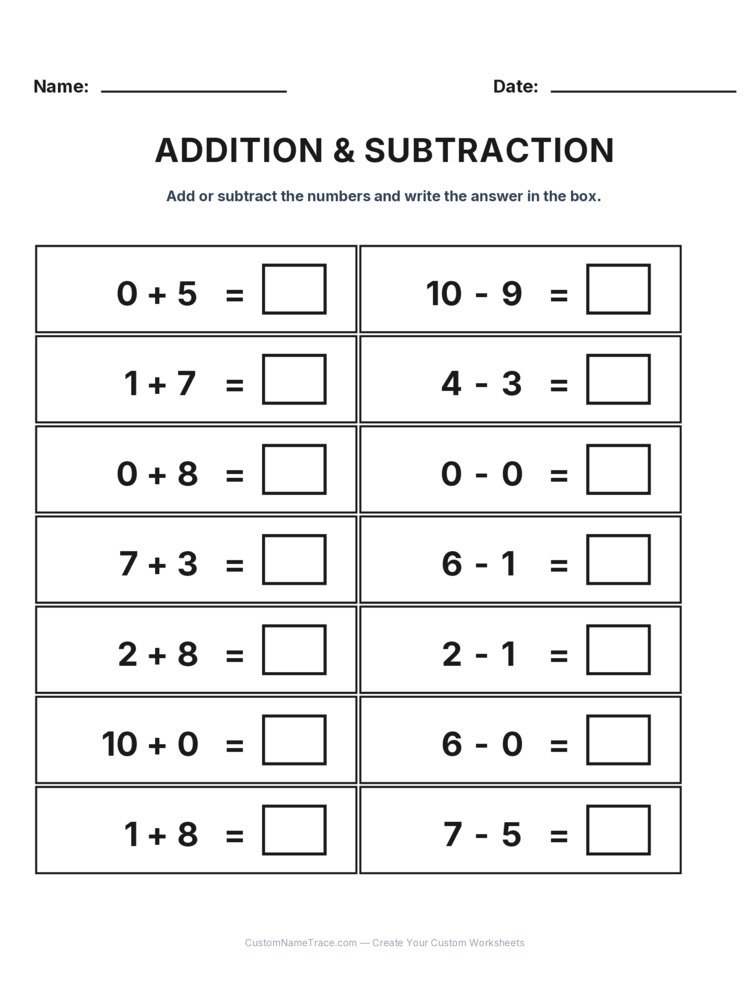
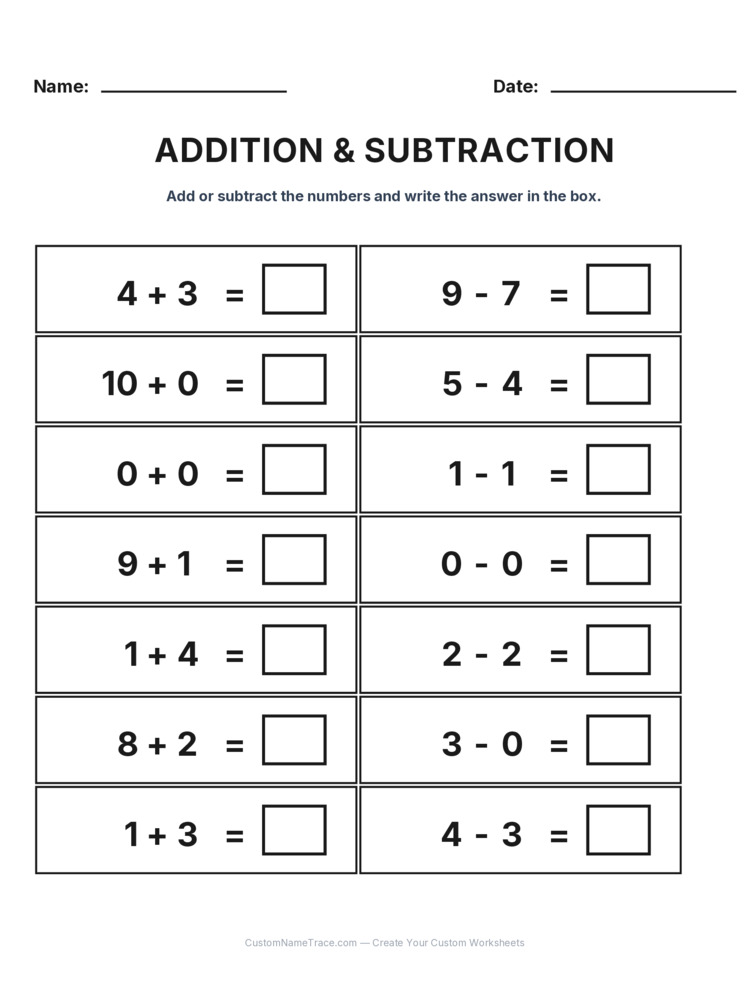
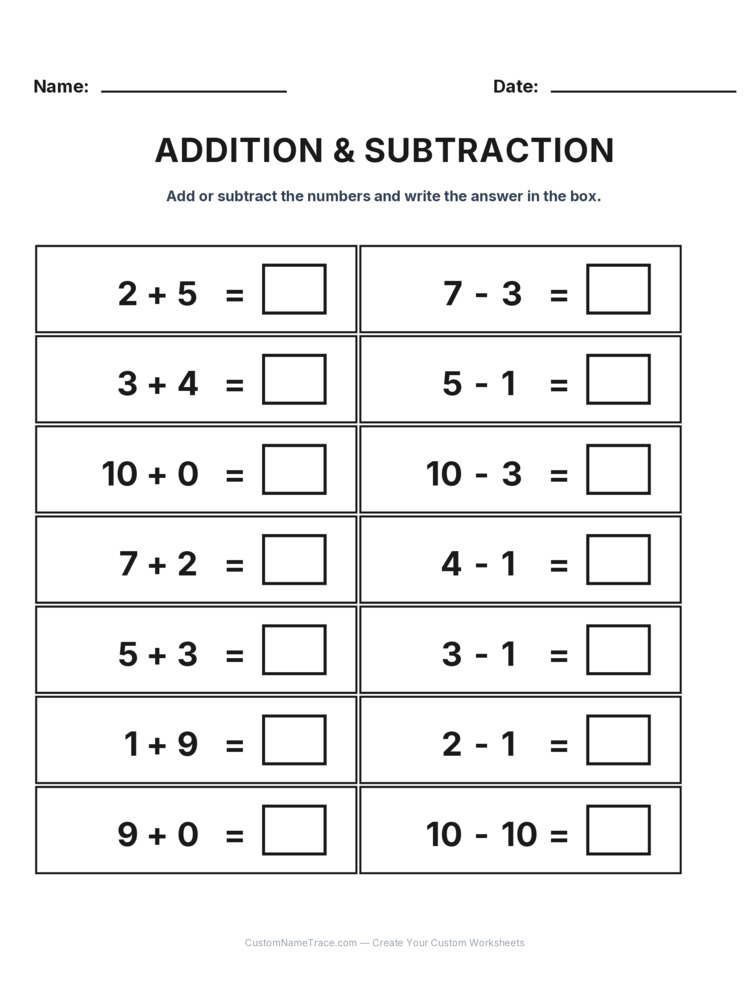
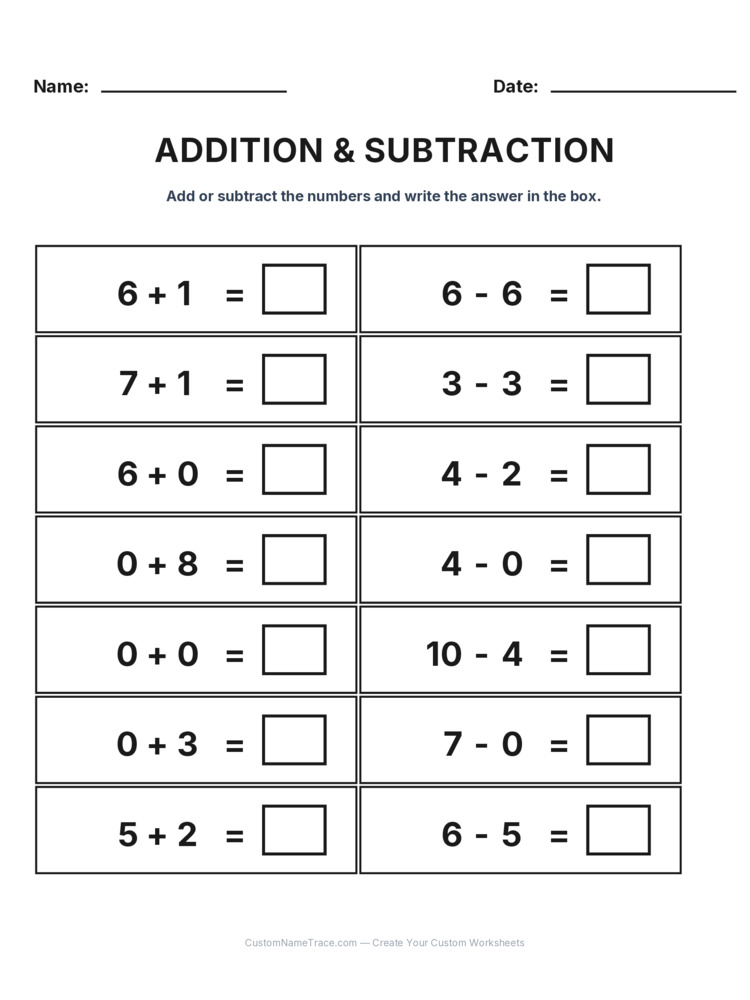
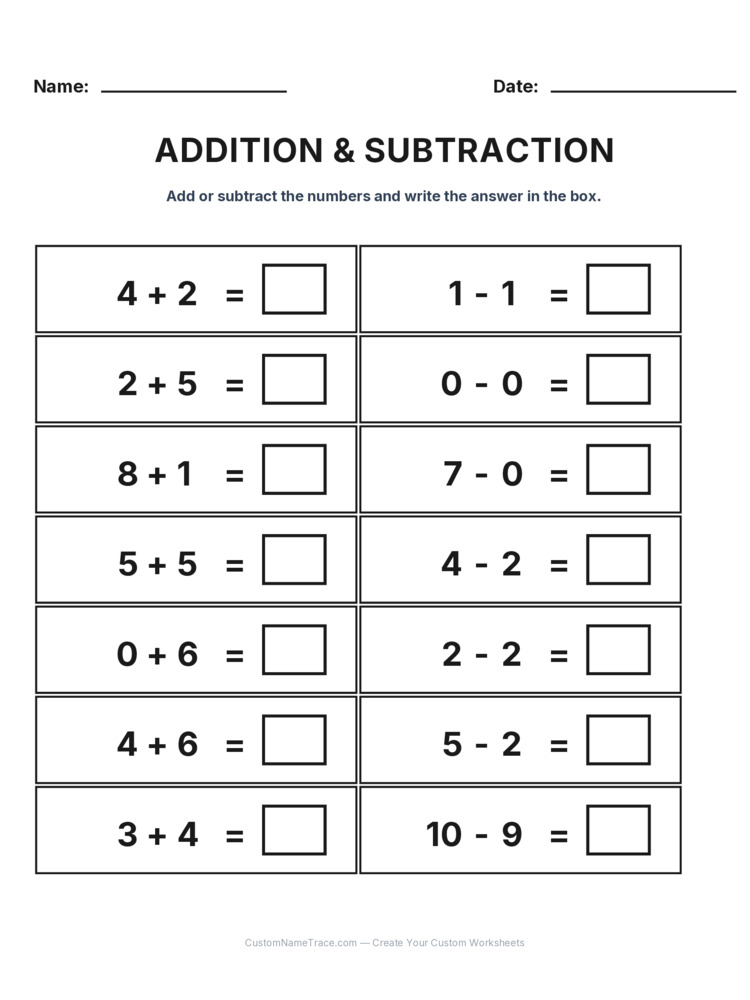
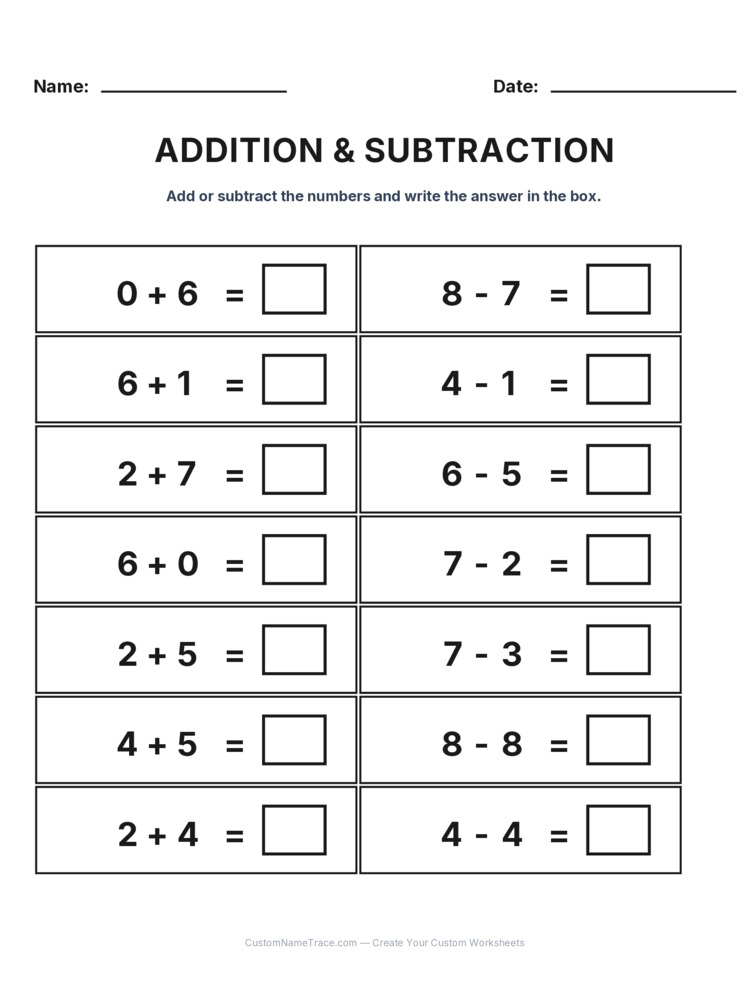
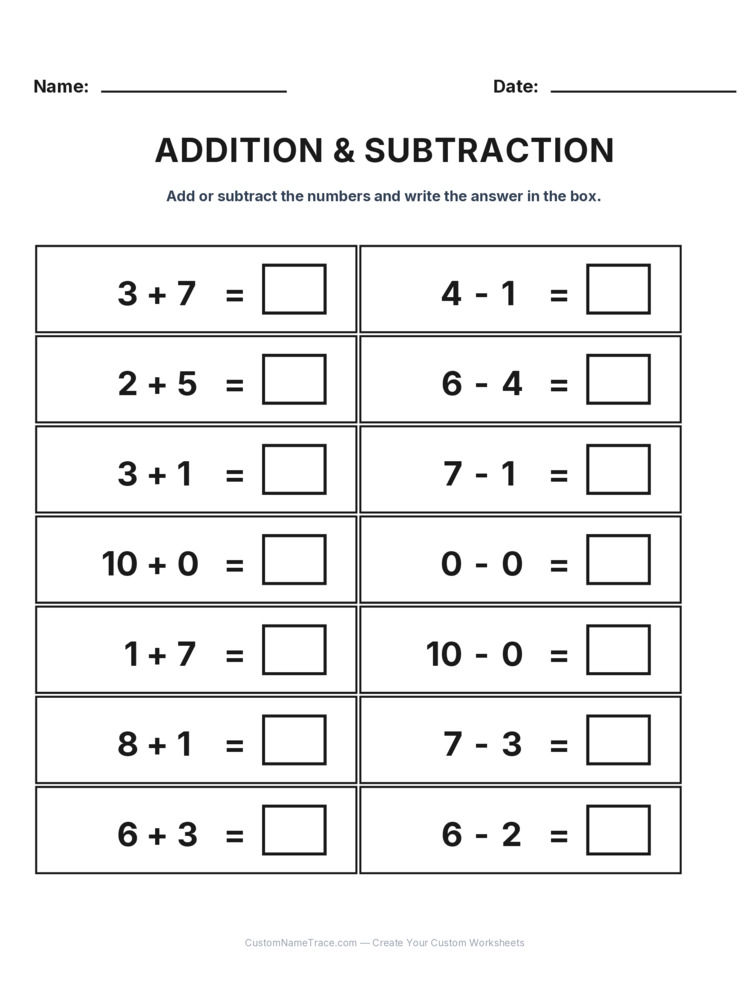
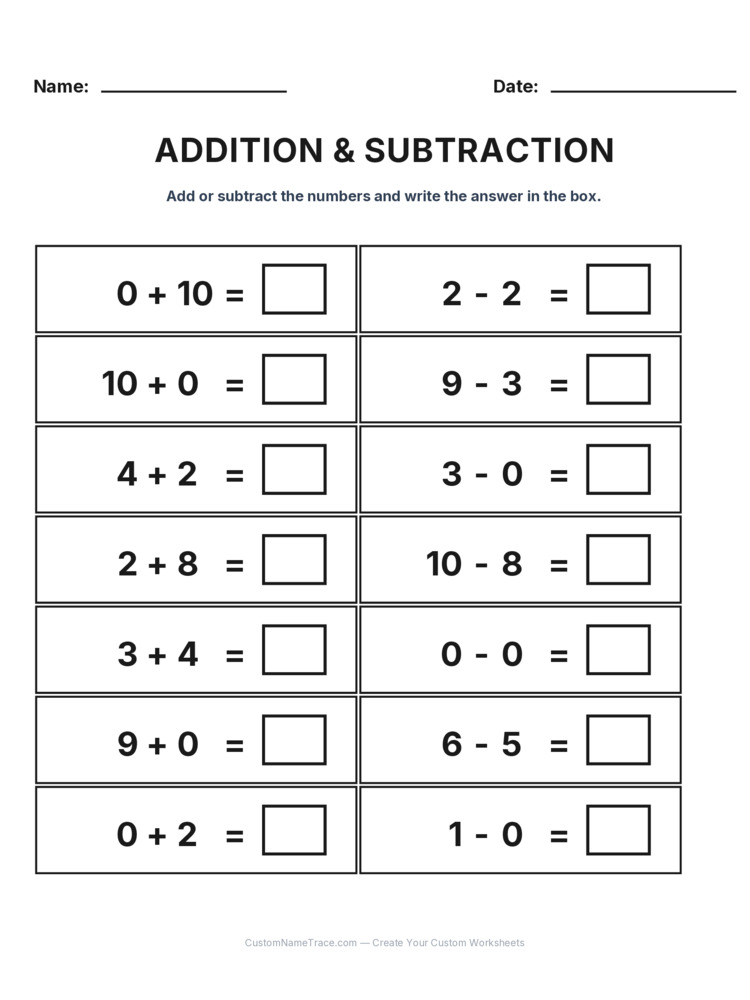
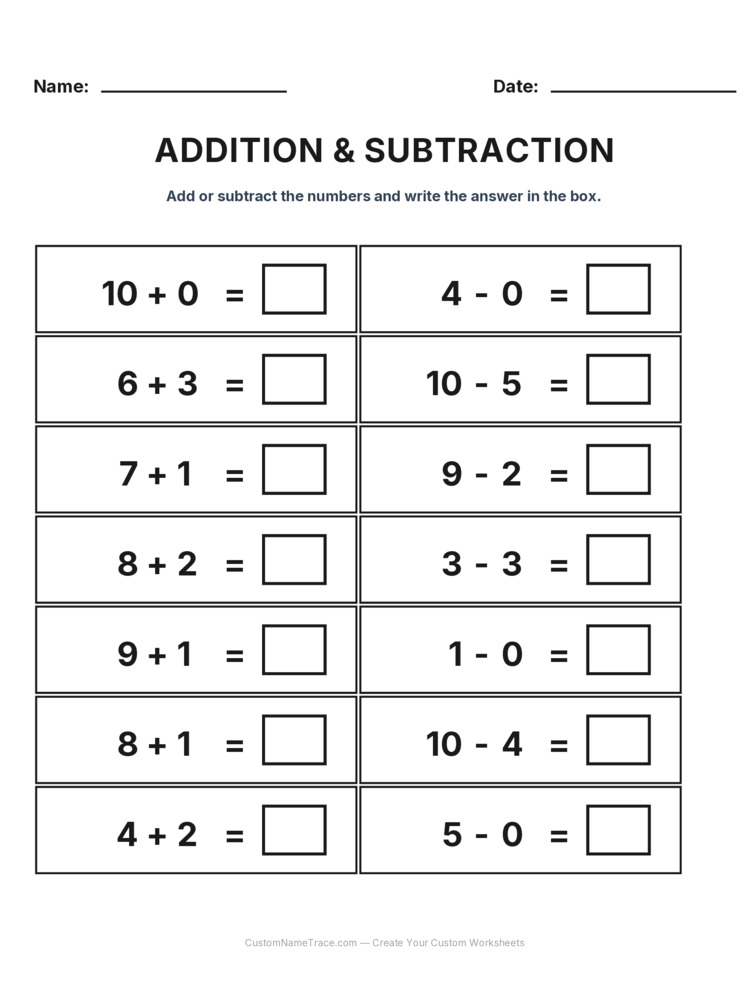
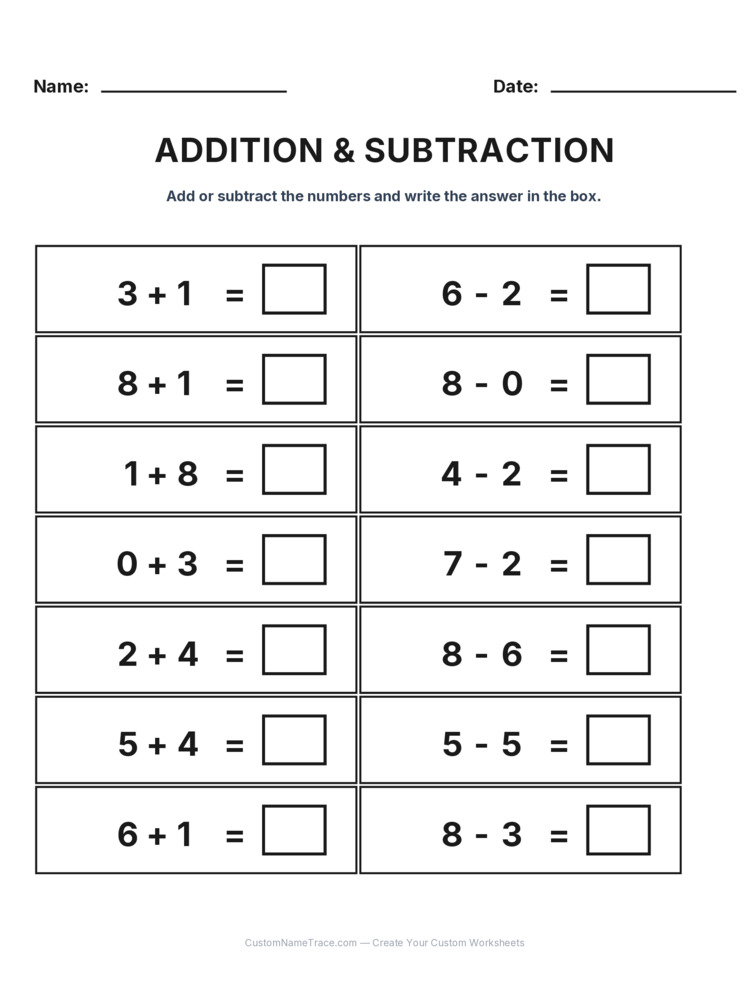
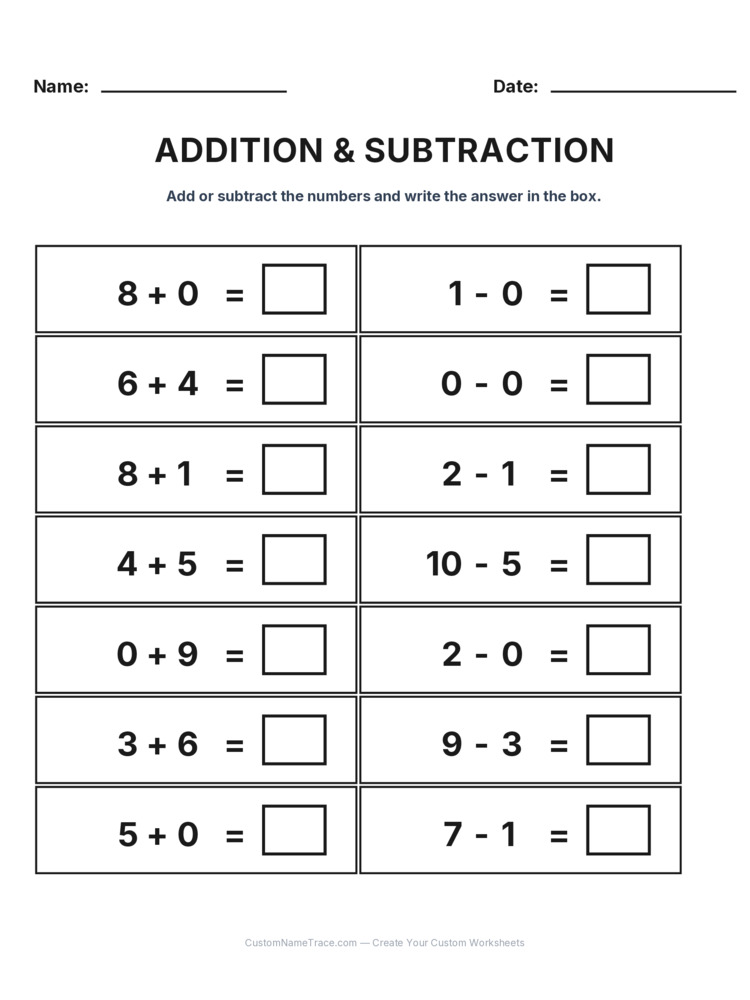
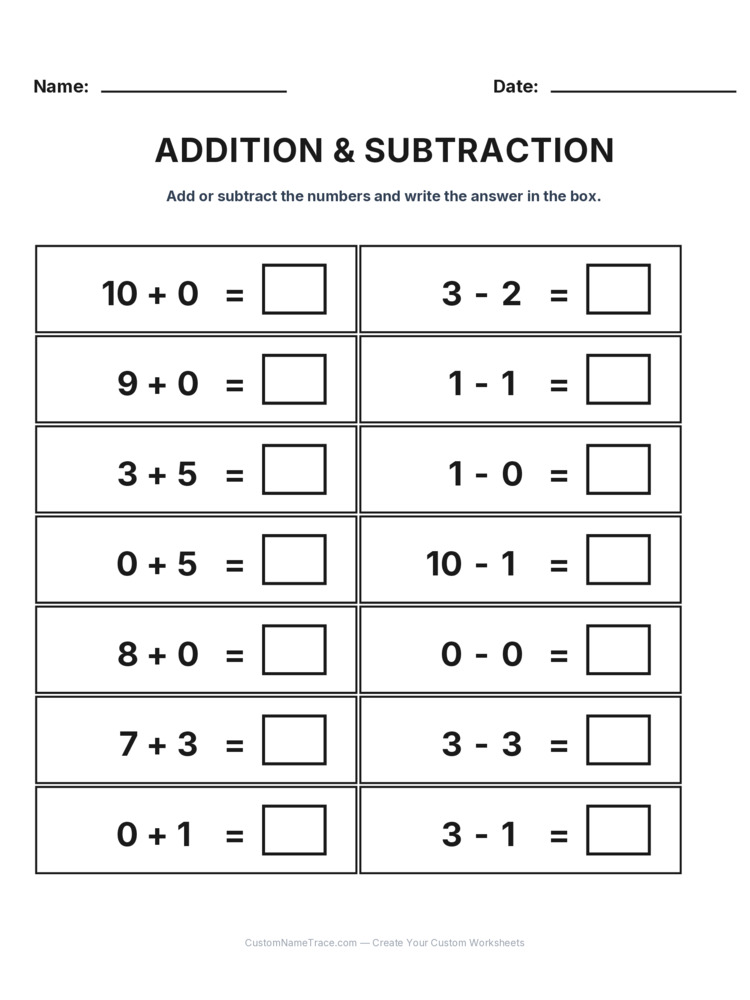
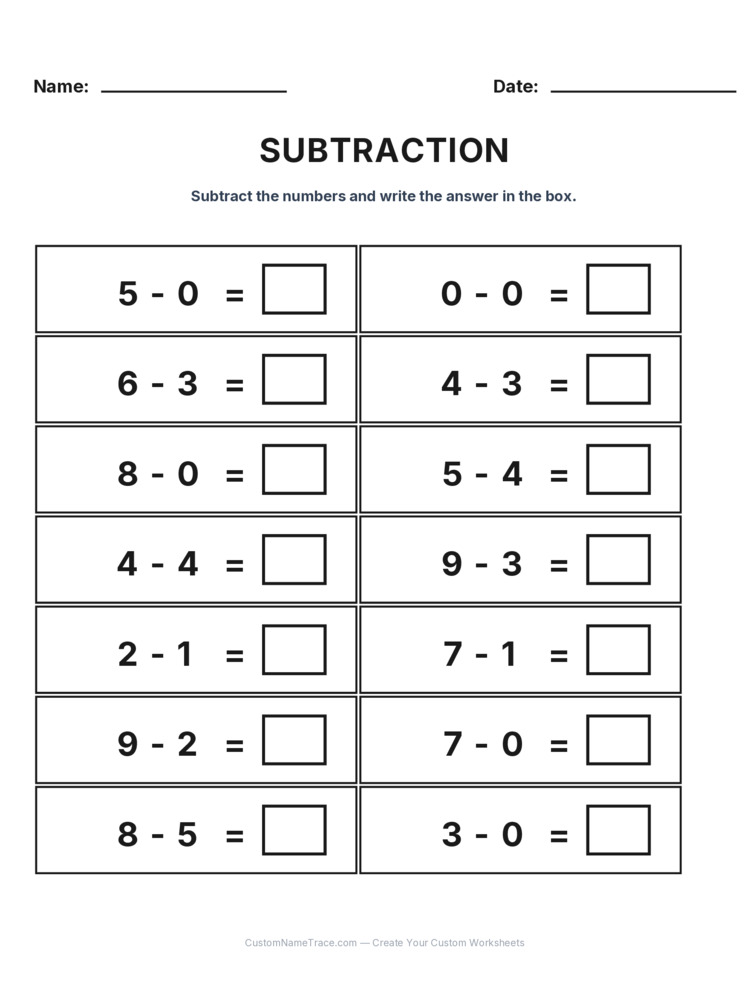
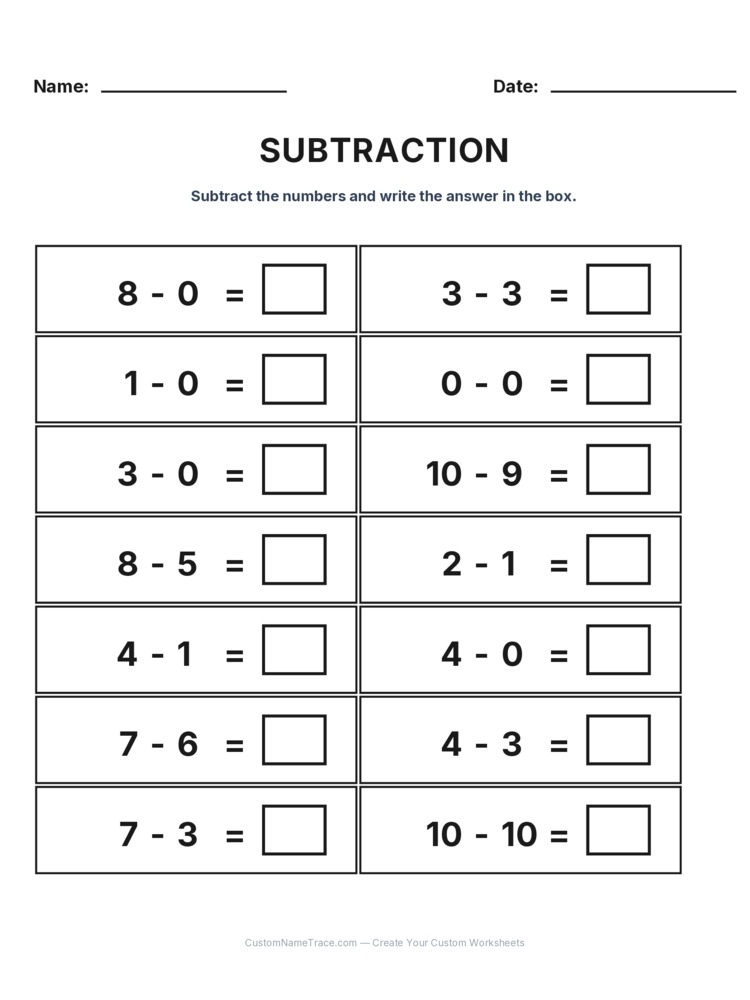
At Kindergarten, math means numbers within 10 — recognizing them, combining small groups (addition), and taking a smaller group away from a larger one (subtraction). That's it, deliberately. Multiplication and division aren't part of this stage at all; they depend on a level of number fluency Kindergarten is still building, and introducing them early wouldn't give a child a head start, it would just be confusing. Every worksheet on this page keeps every number, on both sides of the equals sign, at 10 or below.
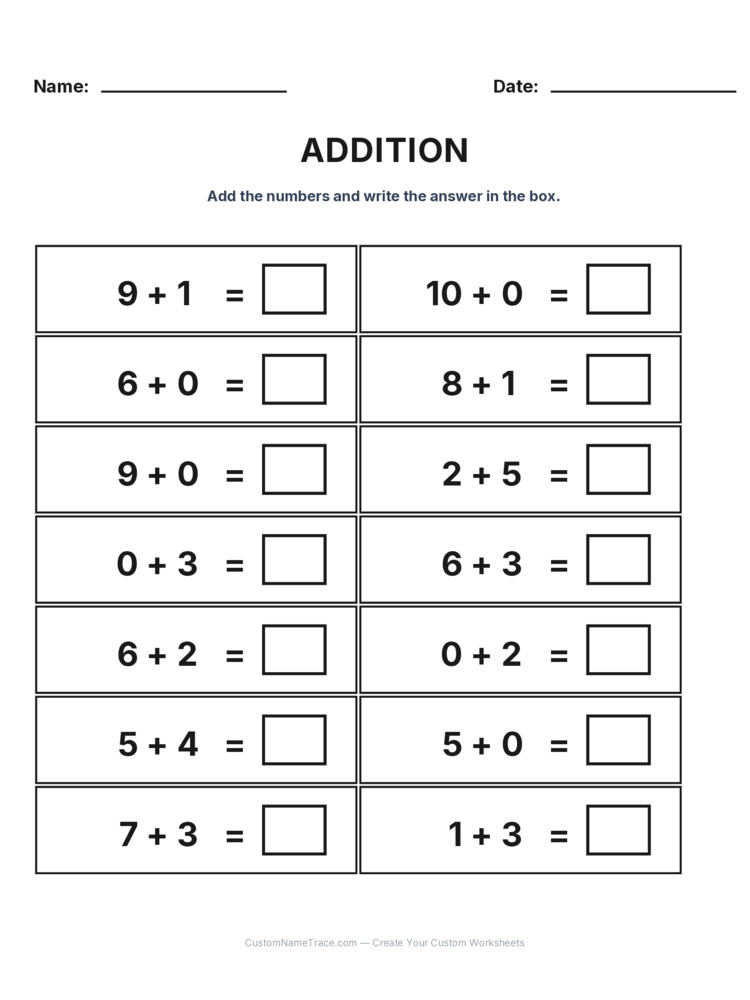
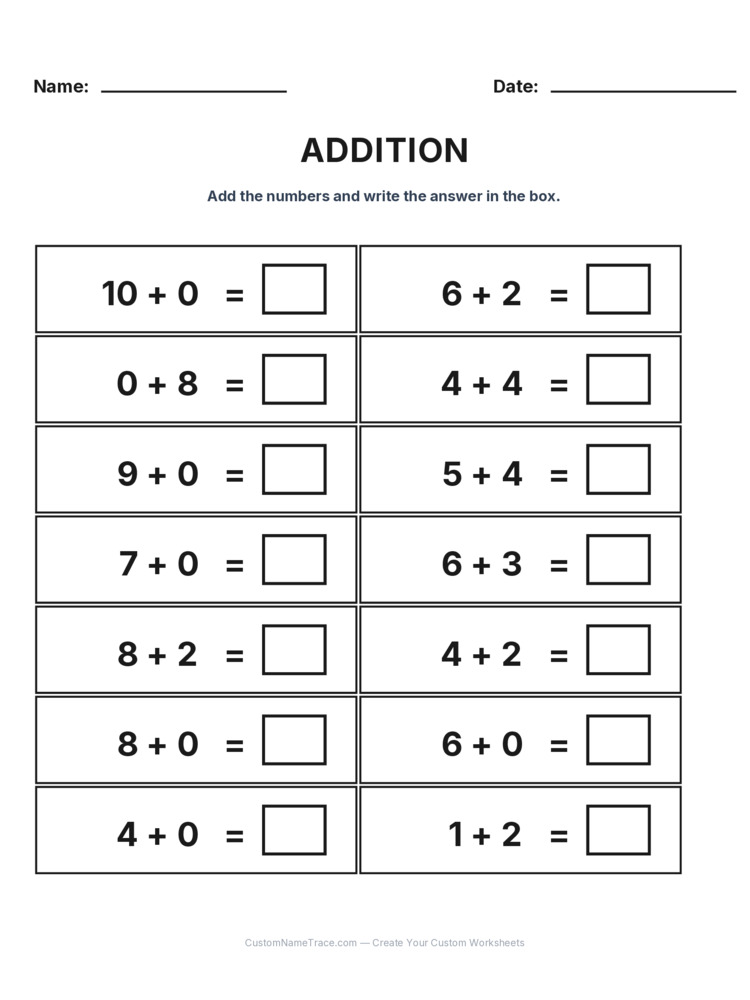
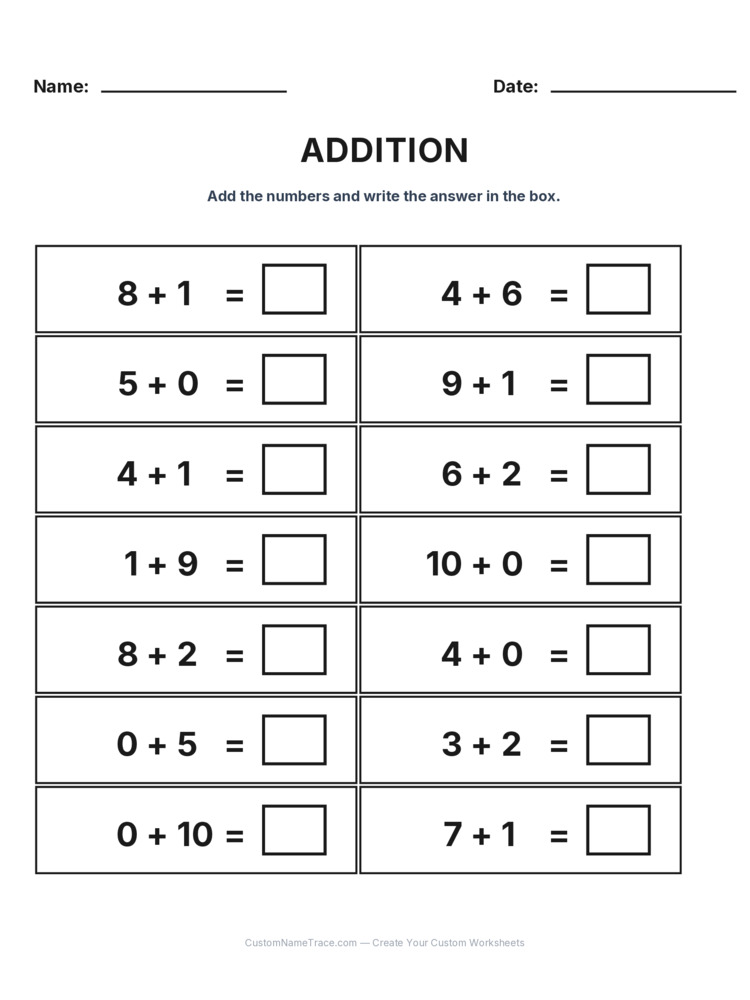
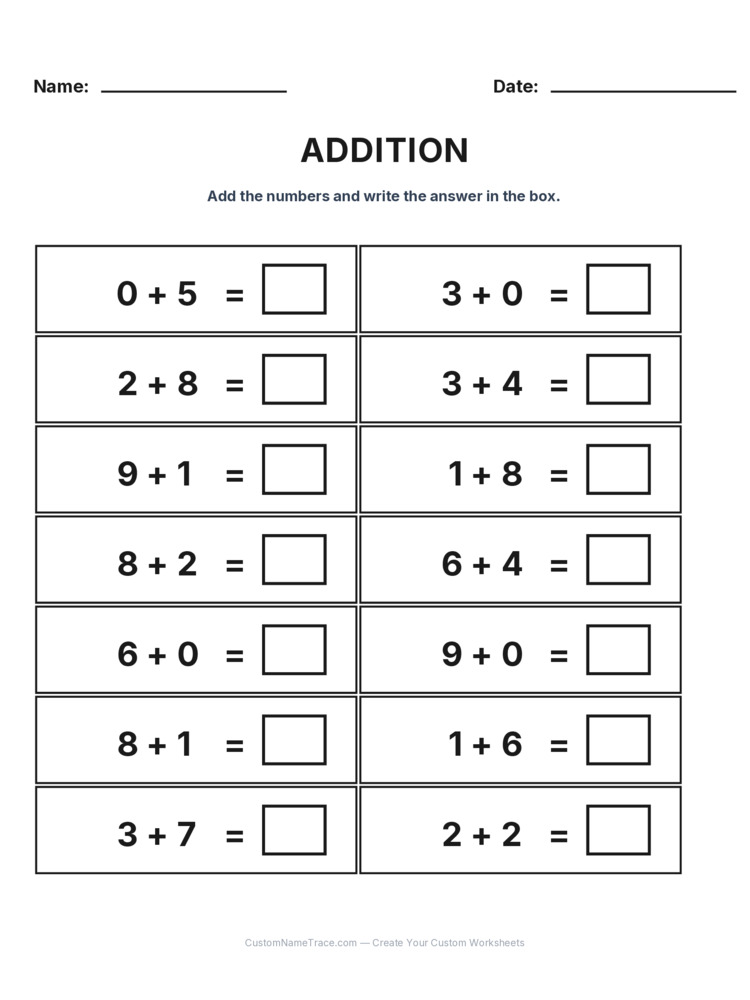
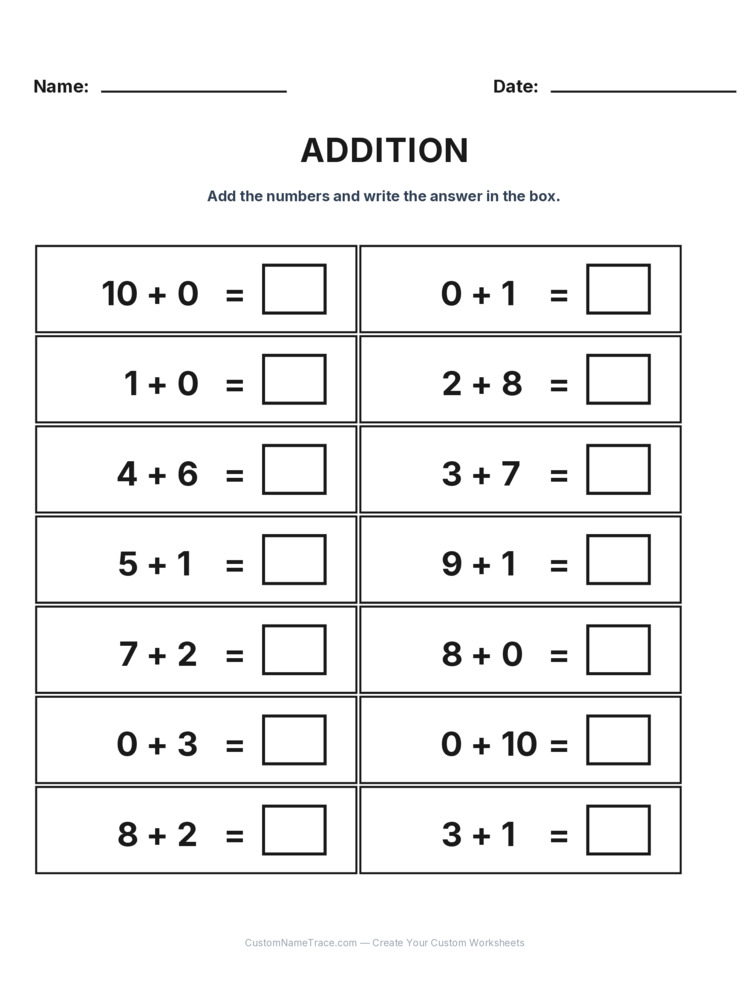
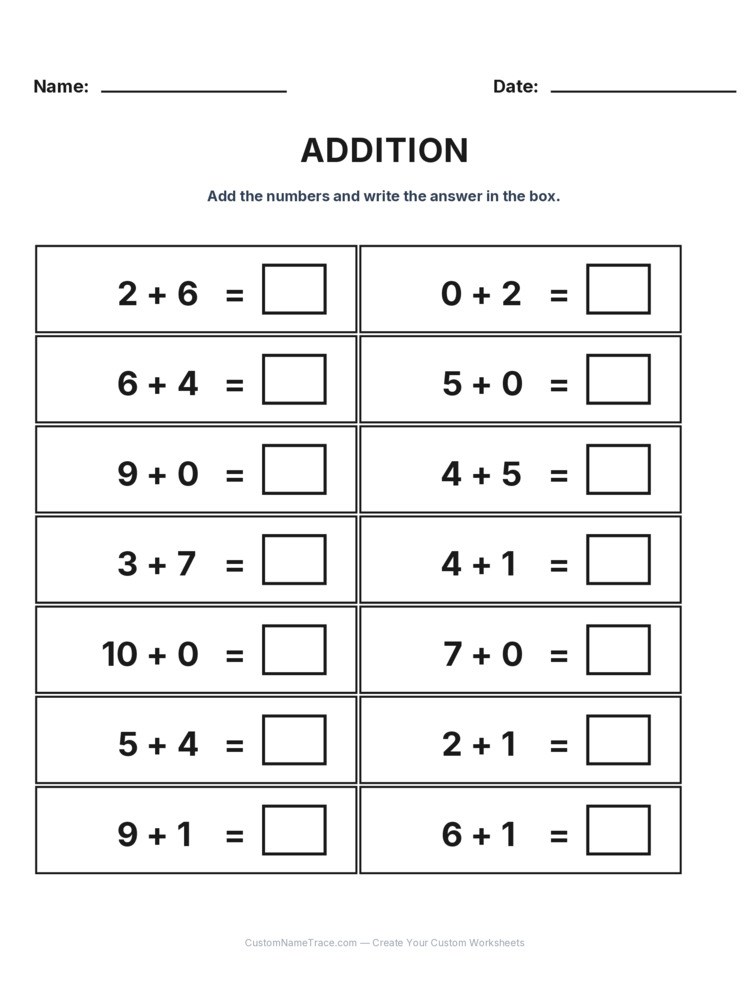
Addition within 10
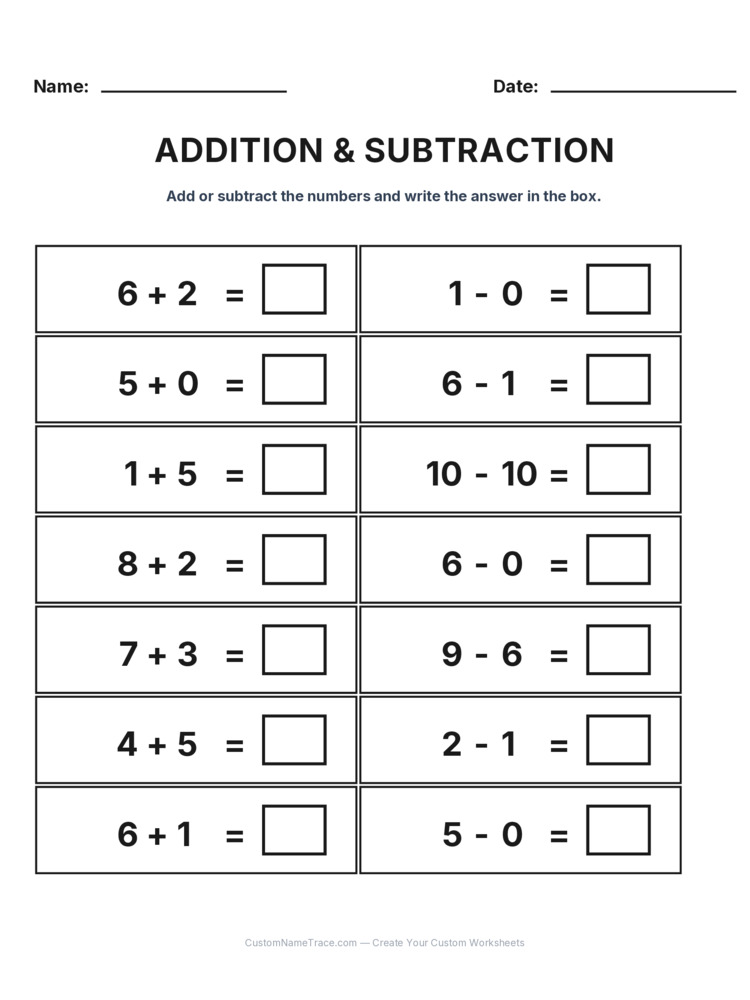
A Kindergarten addition problem asks a child to combine two small groups and say how many there are in total, with the total never exceeding 10. That's the entire skill — no regrouping, no multi-digit numbers, nothing beyond straightforward counting-on. A child who can reliably answer "6 and 2 more is how many?" without recounting from one every time is doing exactly what this level is built to practice.
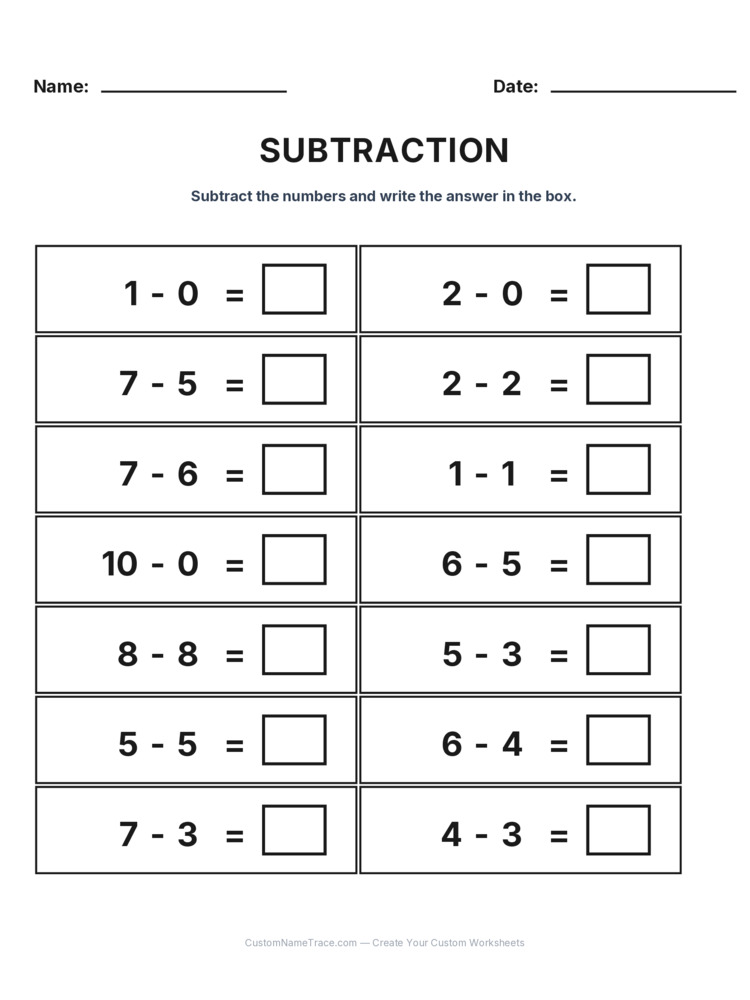
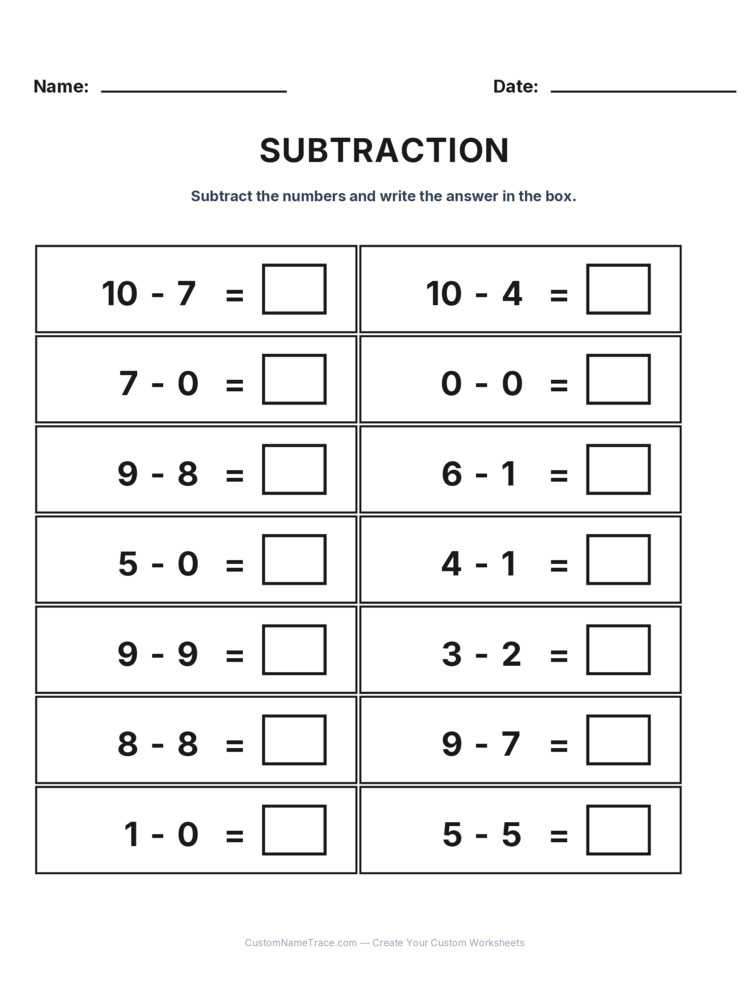
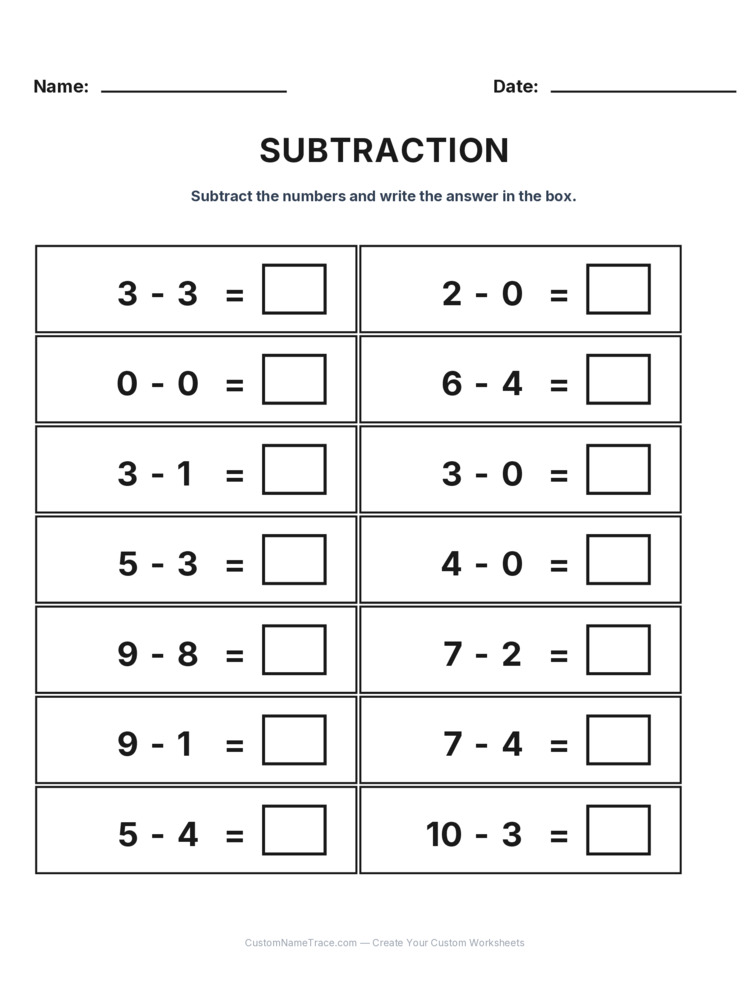
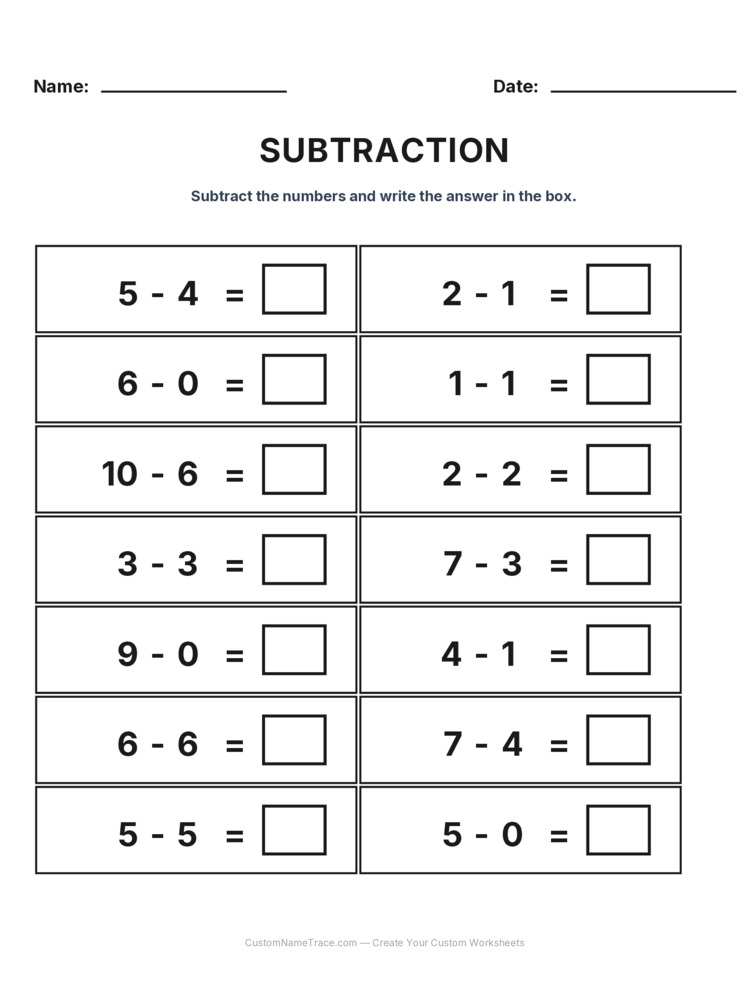
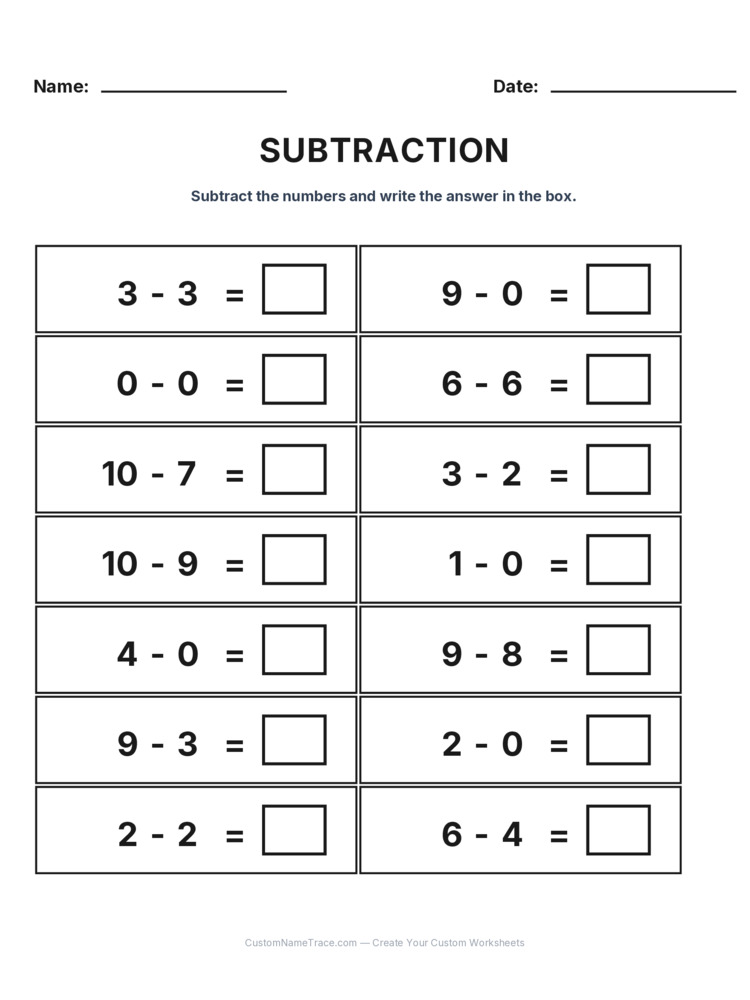
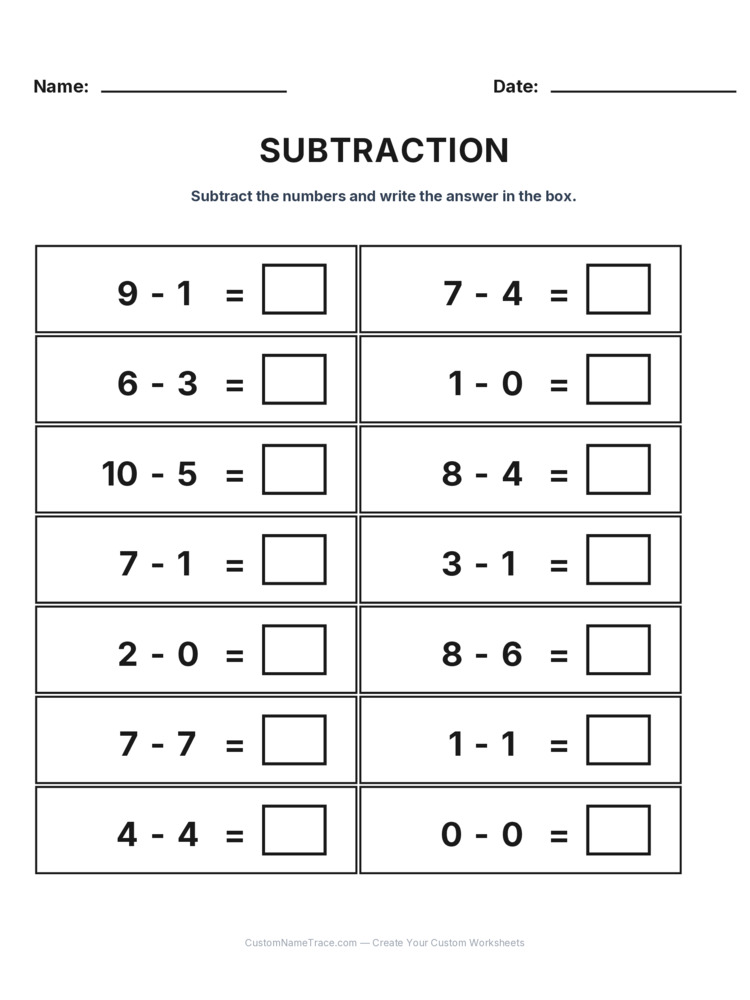
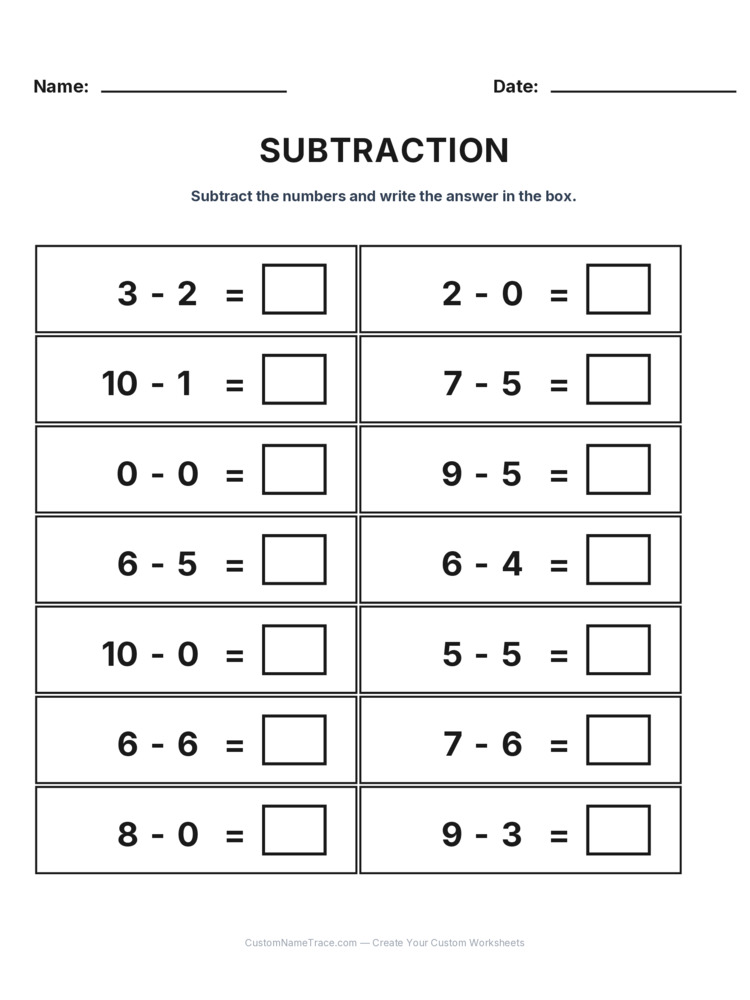
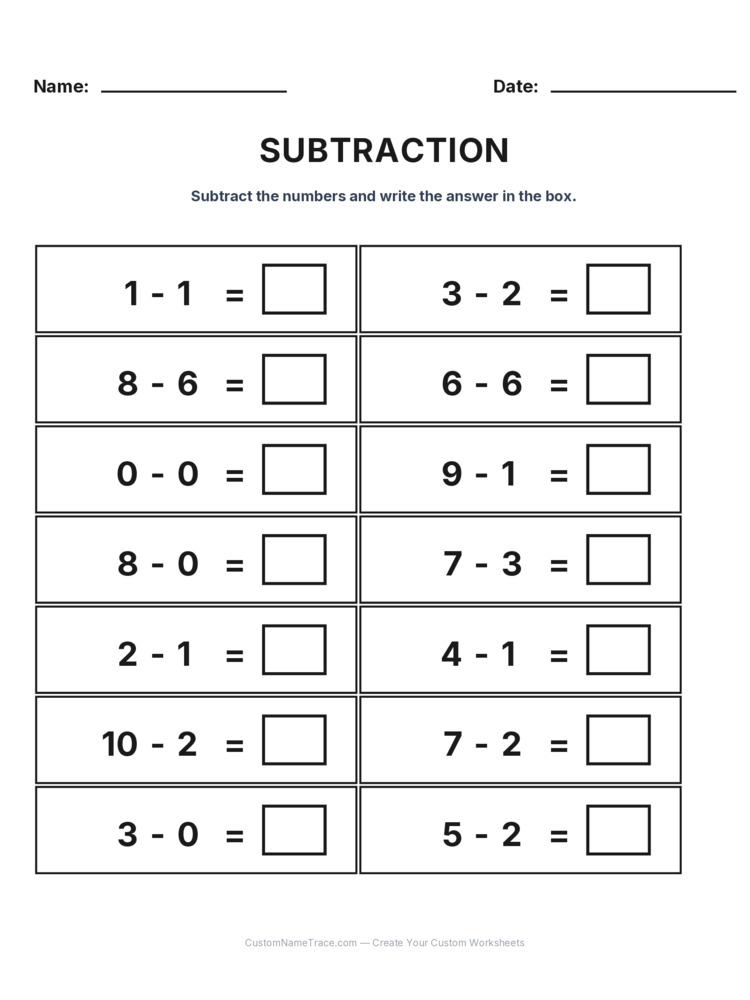
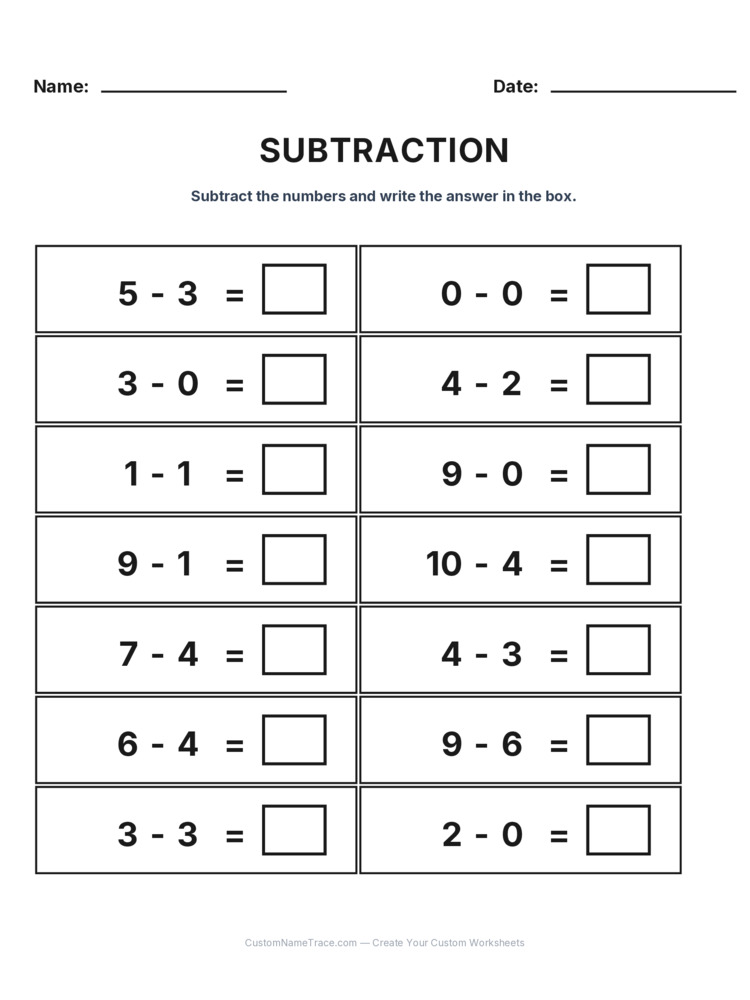
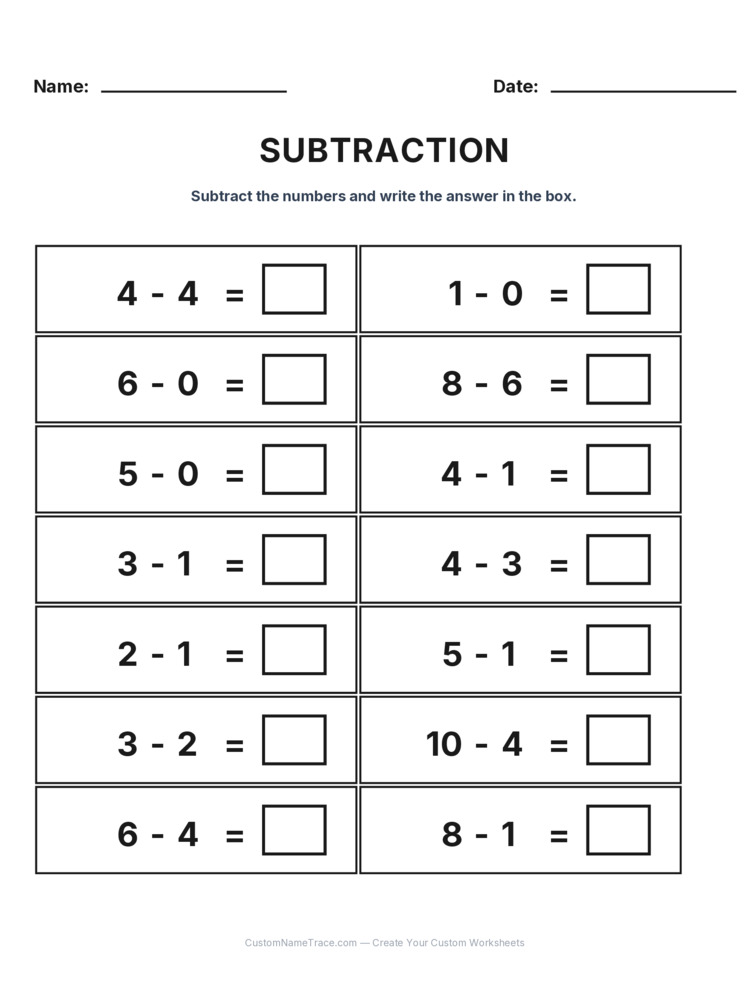
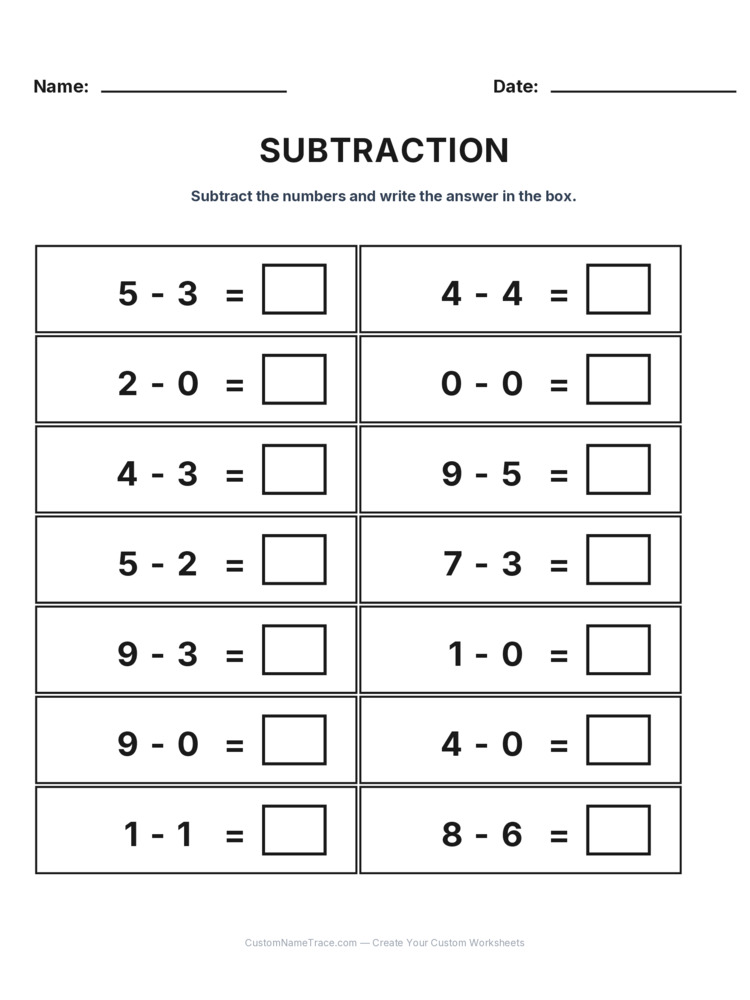
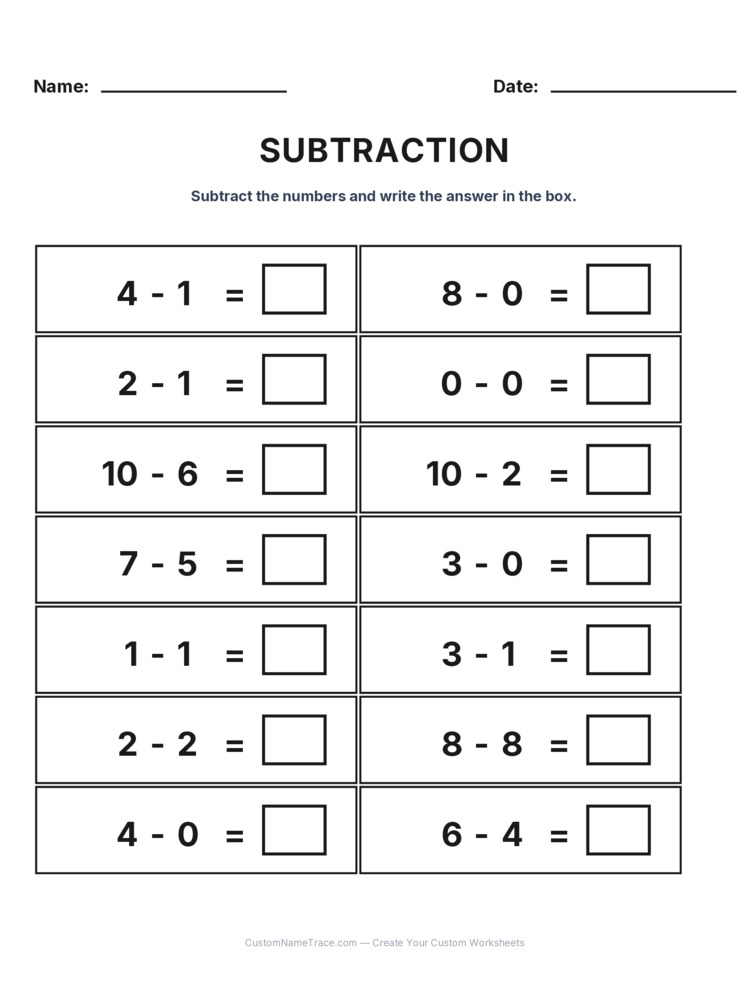
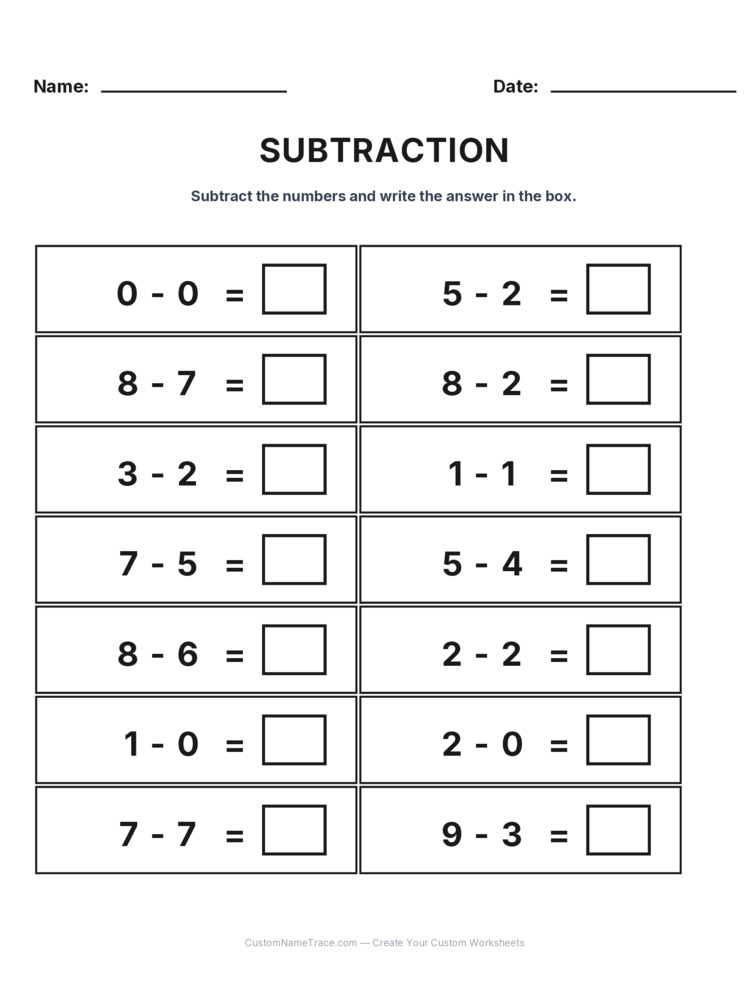
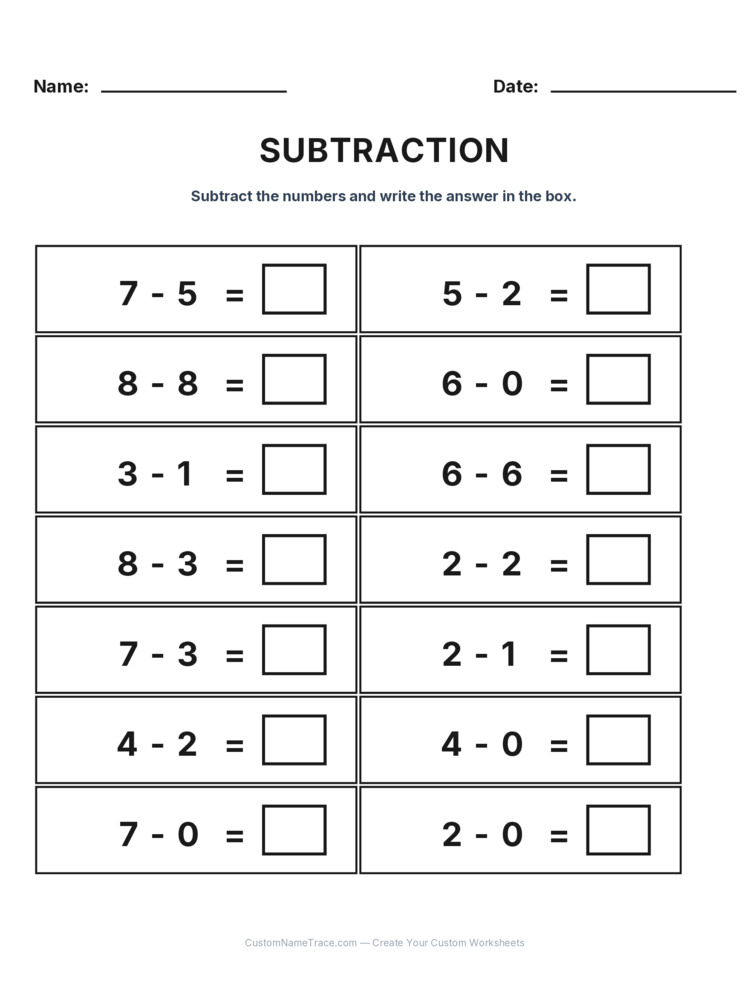
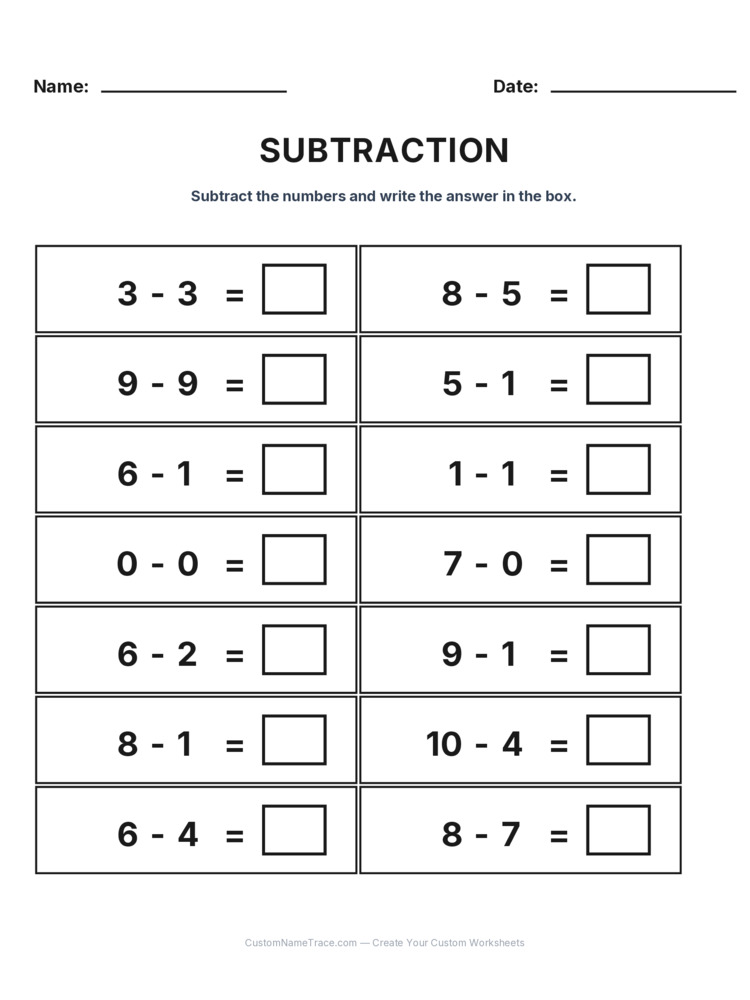
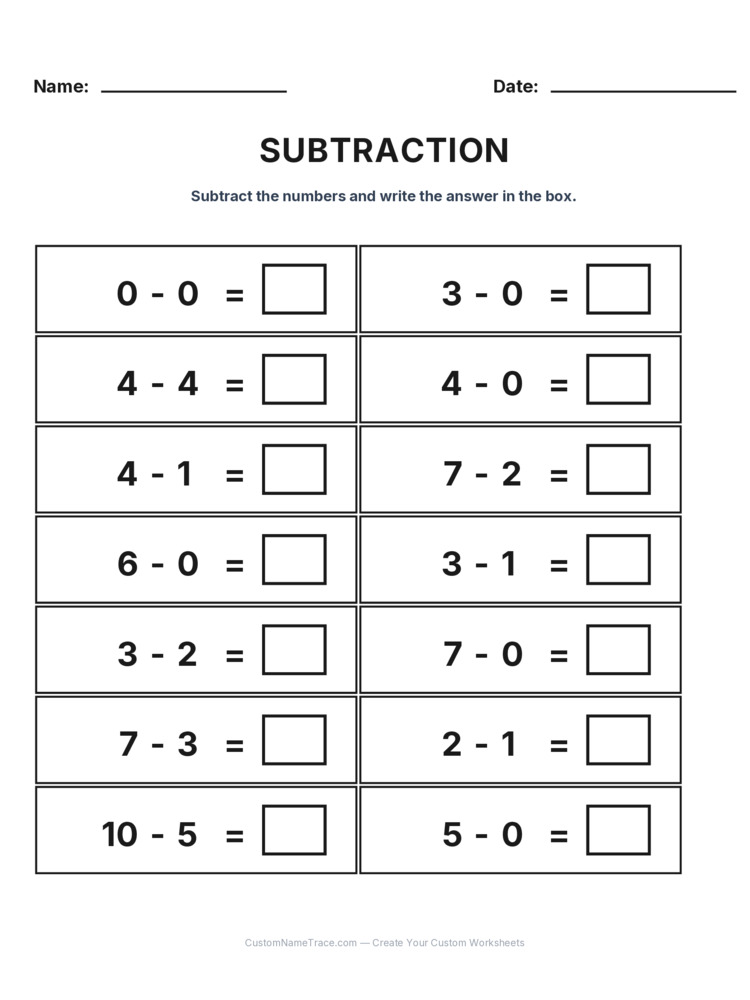
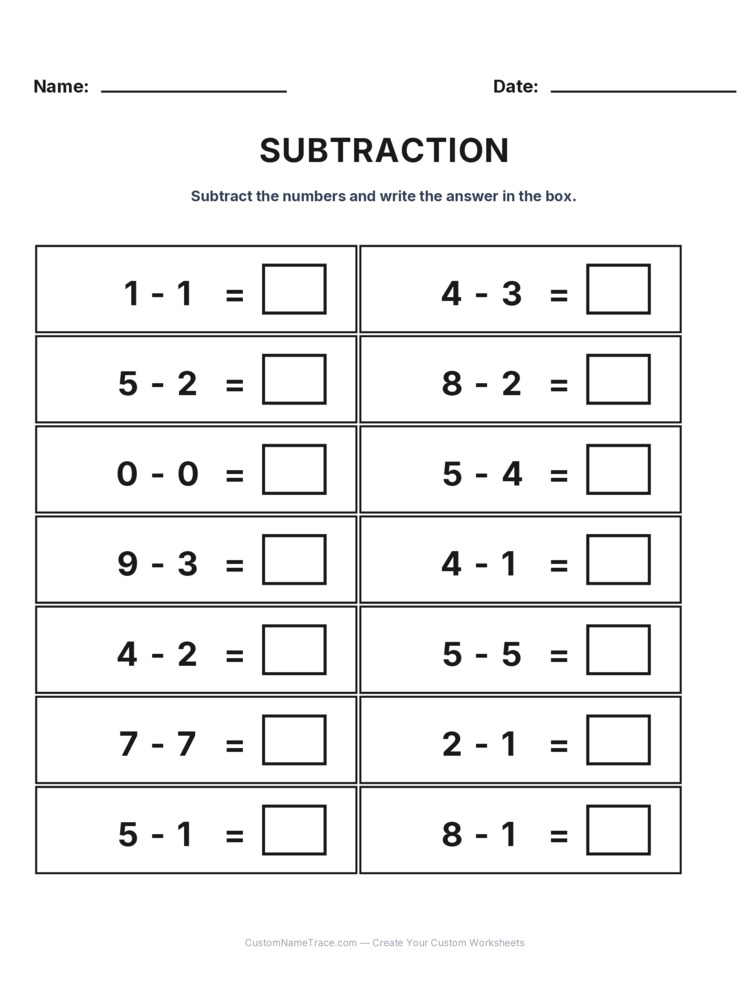
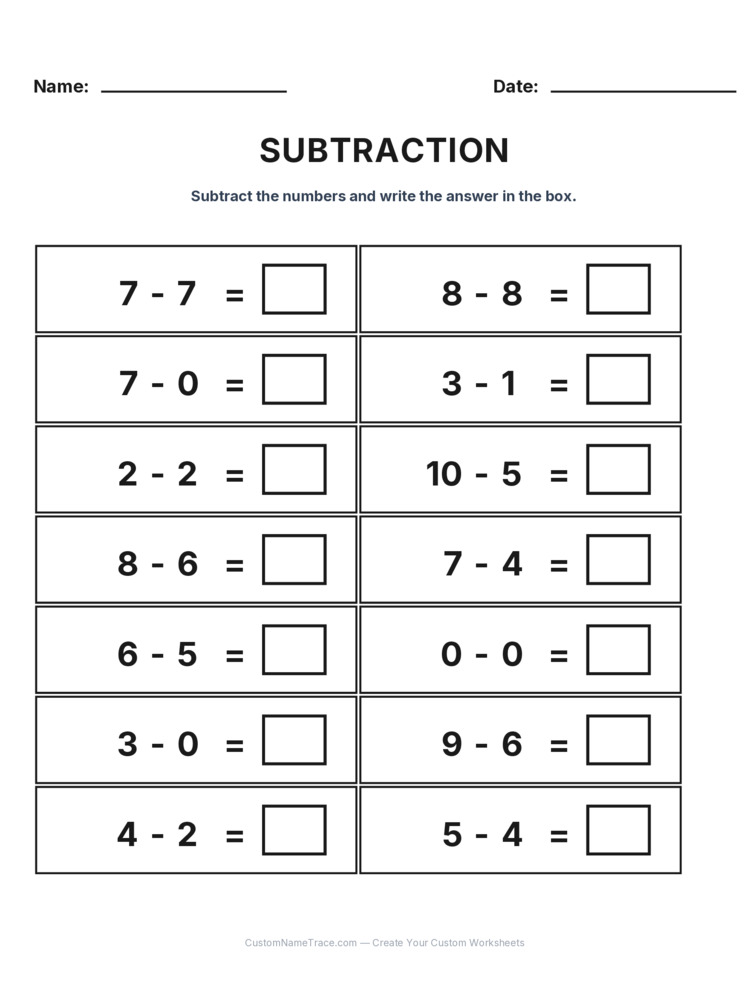
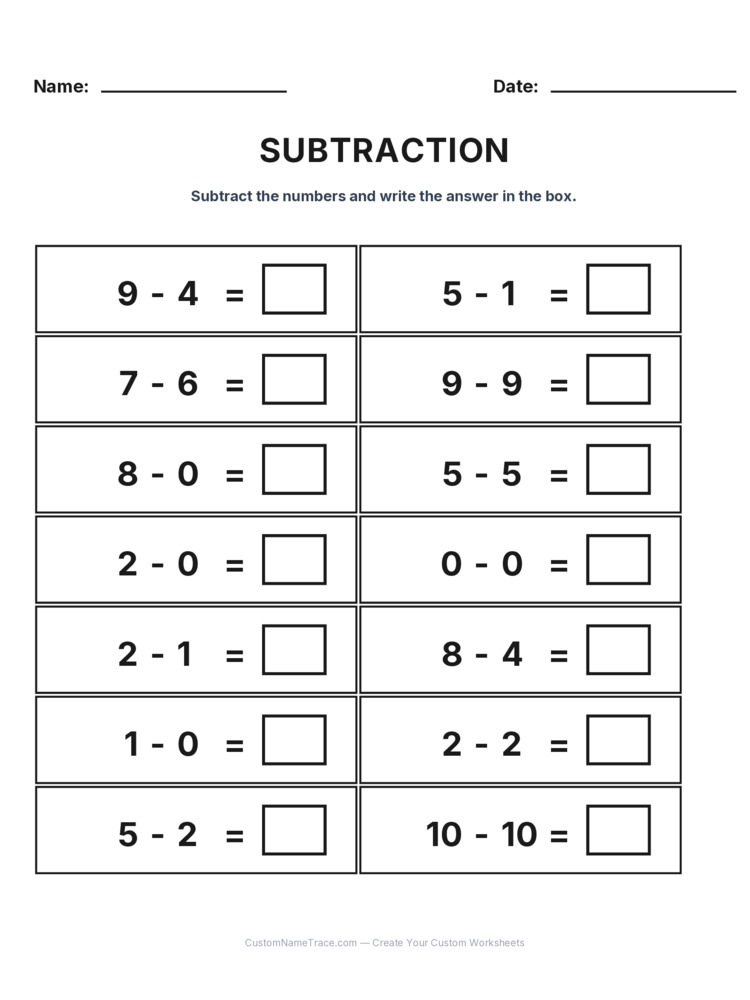
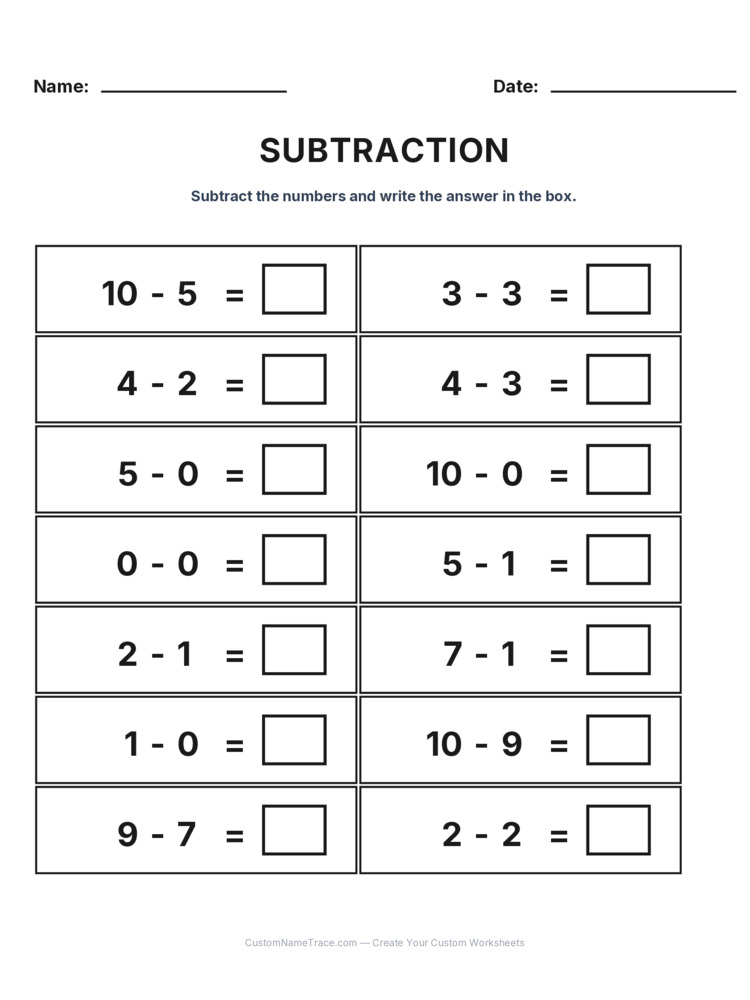
Subtraction within 10
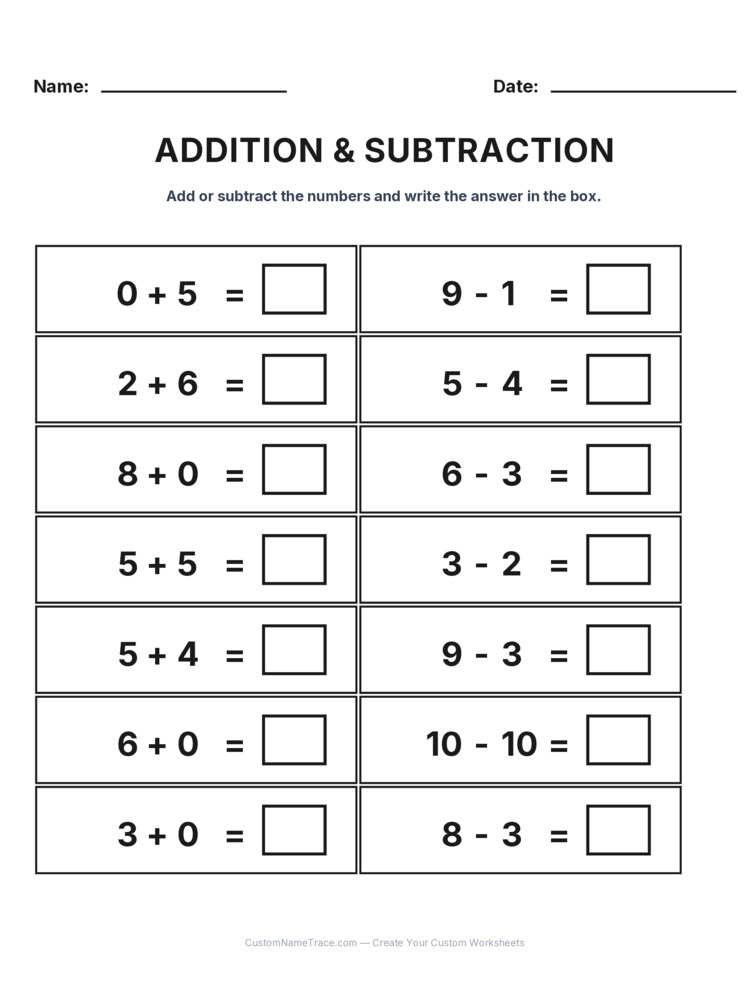
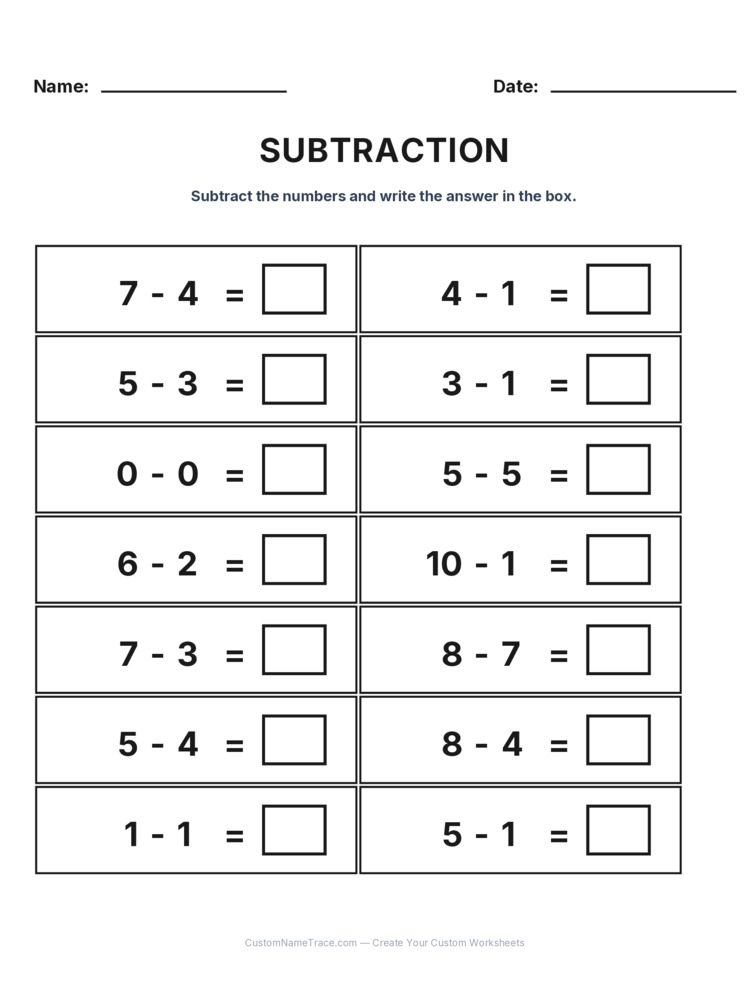
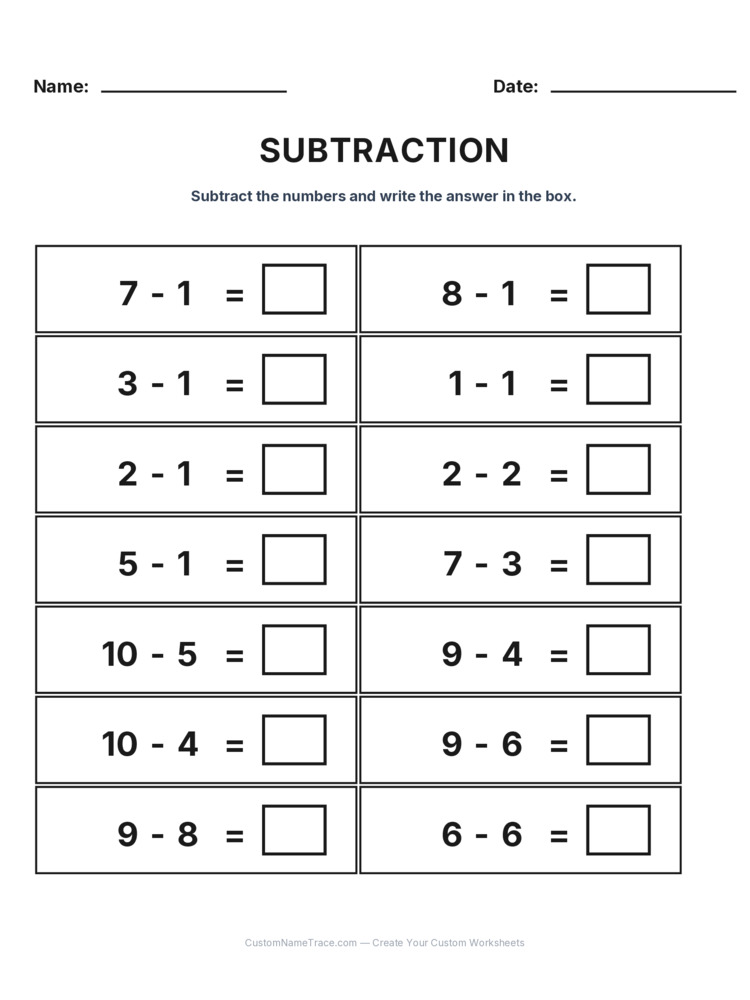
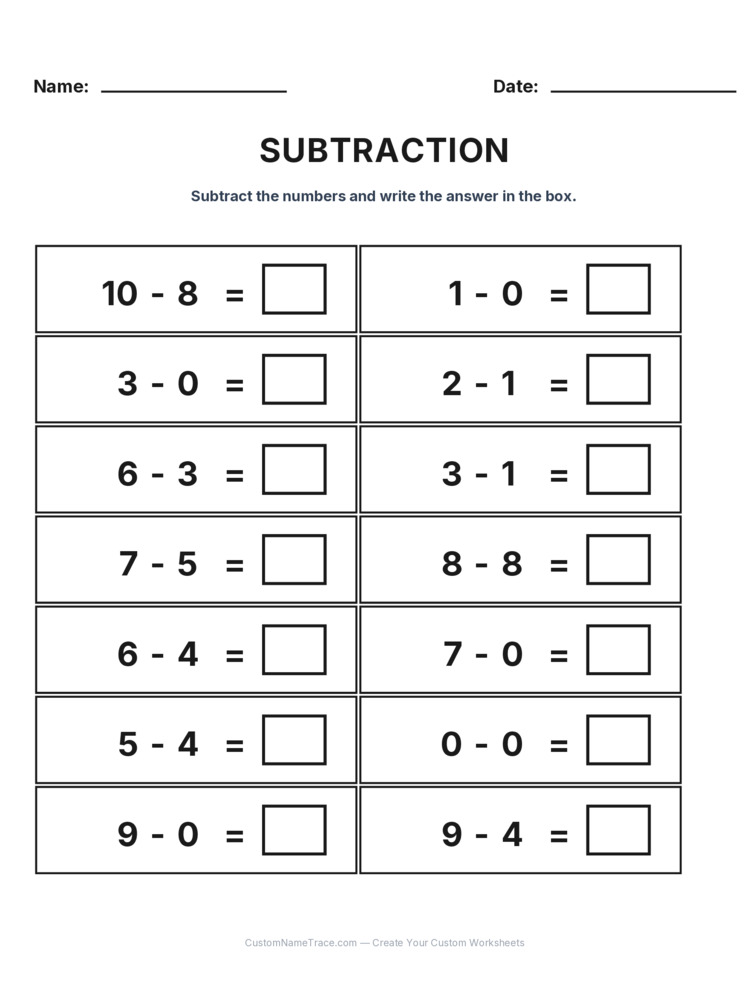
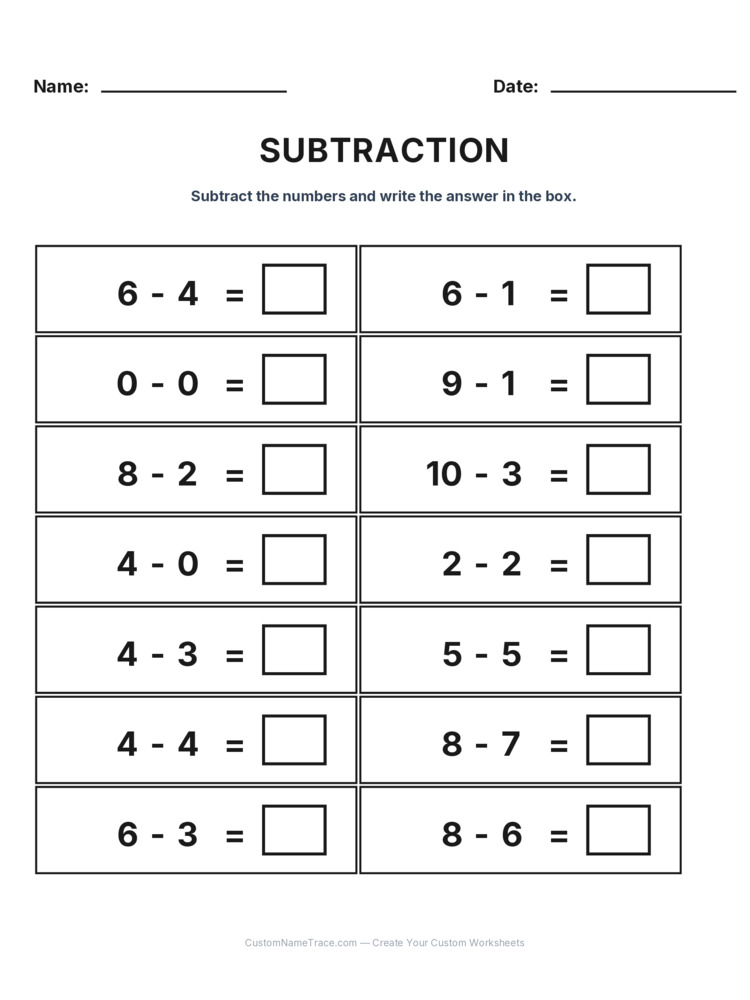
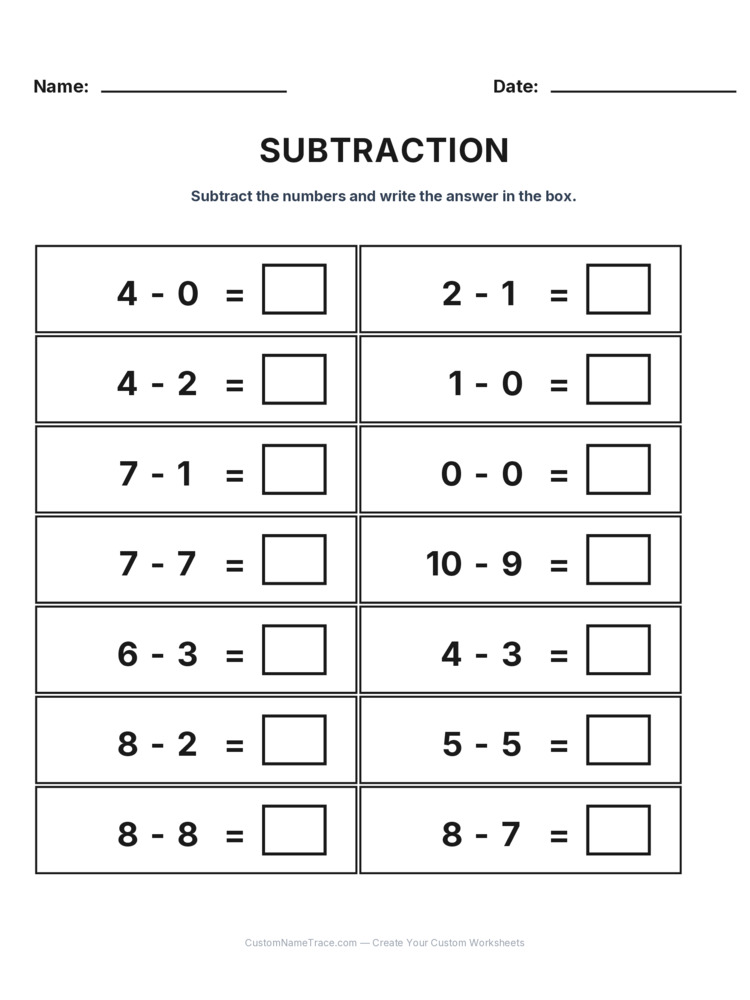
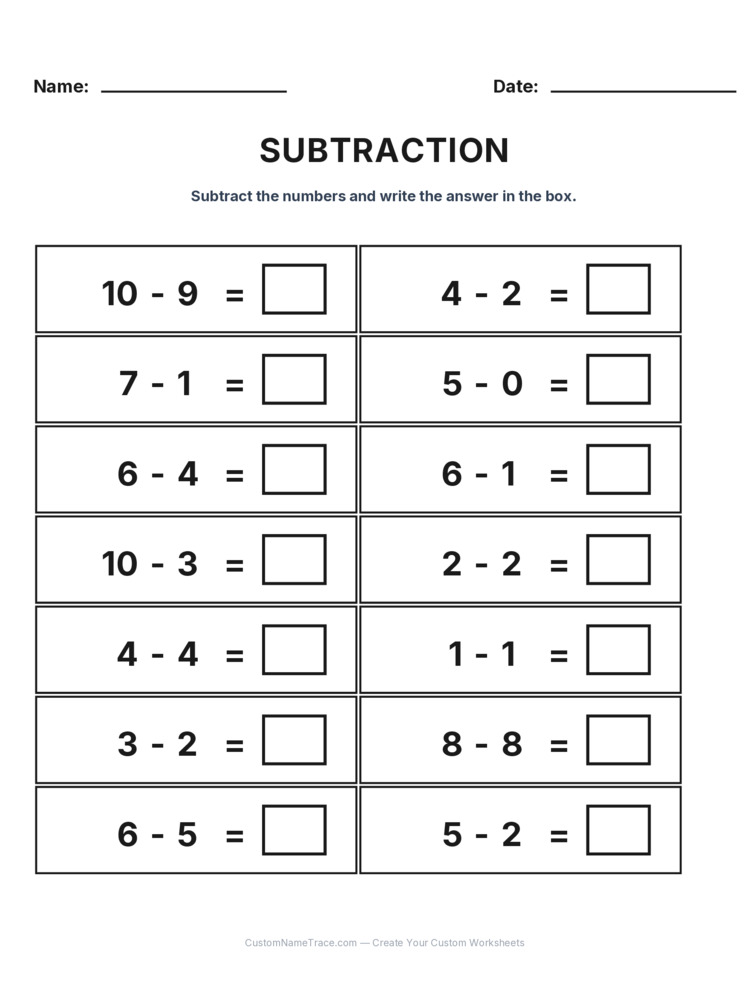
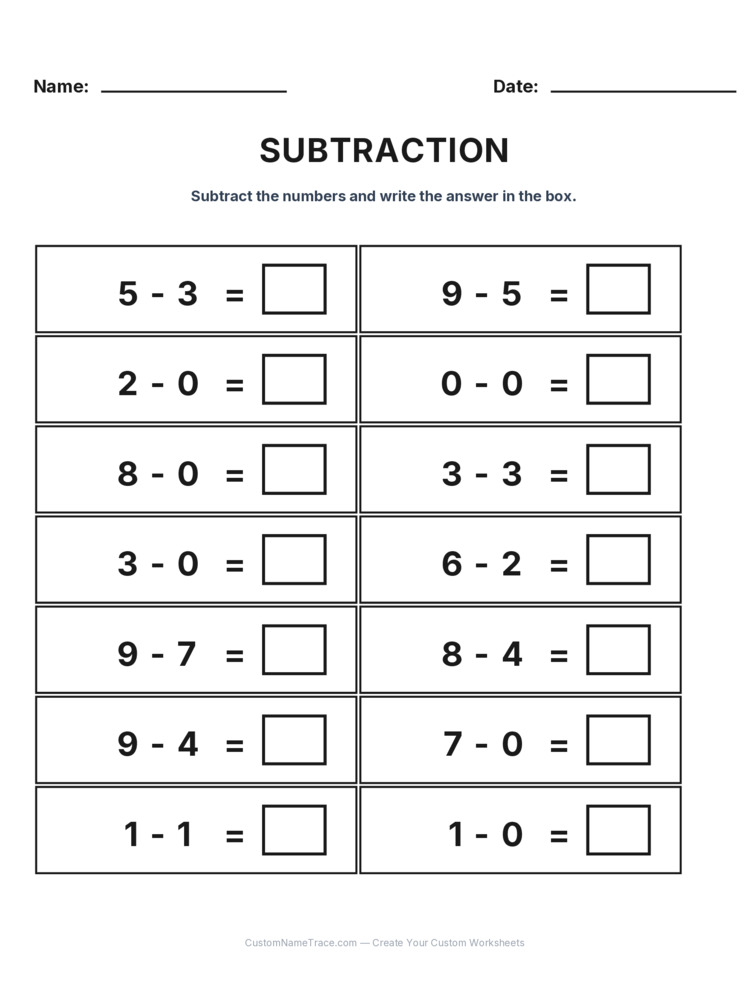
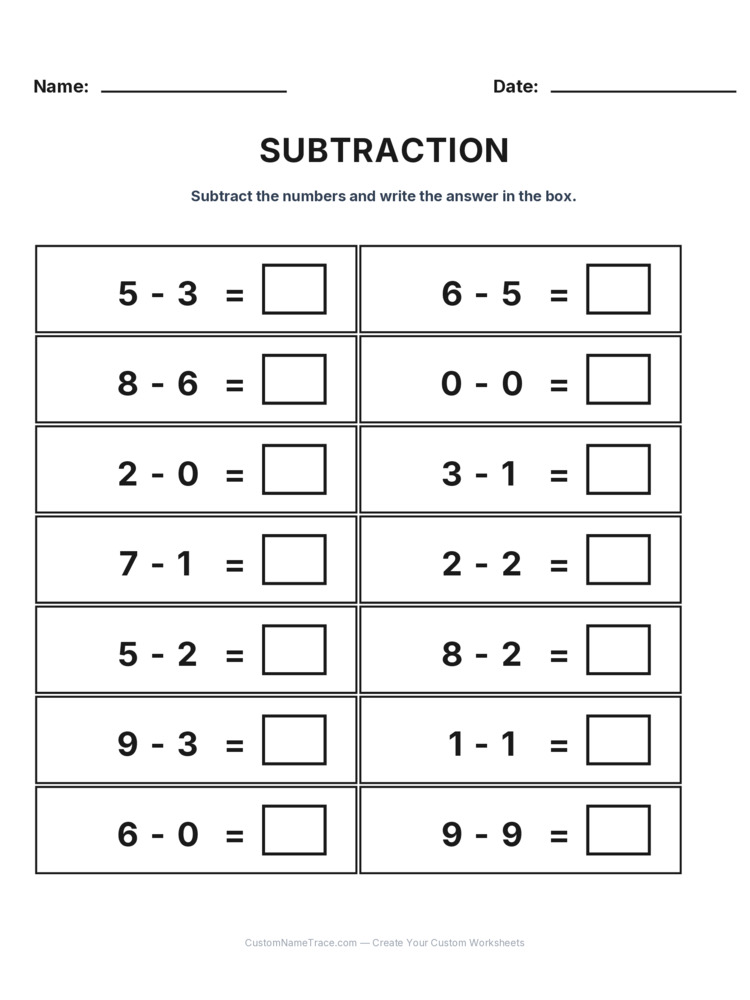
Subtraction at this level is the mirror of addition: starting with a group of 10 or fewer and taking part of it away, then saying how many are left. Kids often find subtraction a half-step harder than addition even at this small scale, since "how many are left" asks for a different mental move than "how many together" — that's normal, not a sign of a gap, and it's exactly why subtraction gets its own dedicated practice page rather than being assumed to follow automatically from addition.
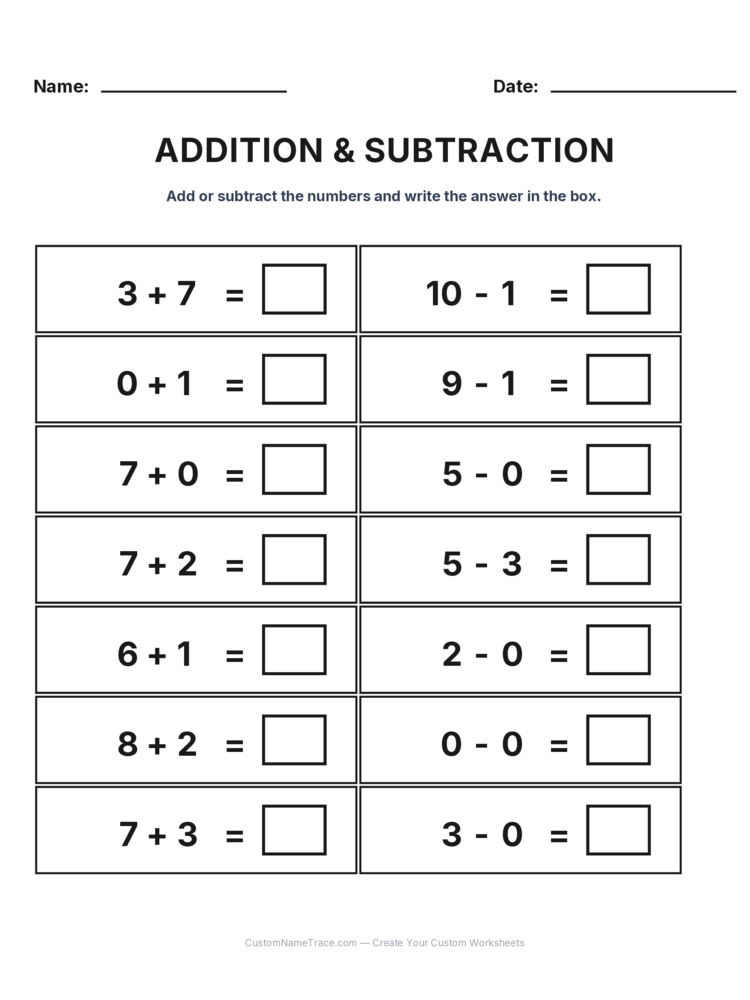
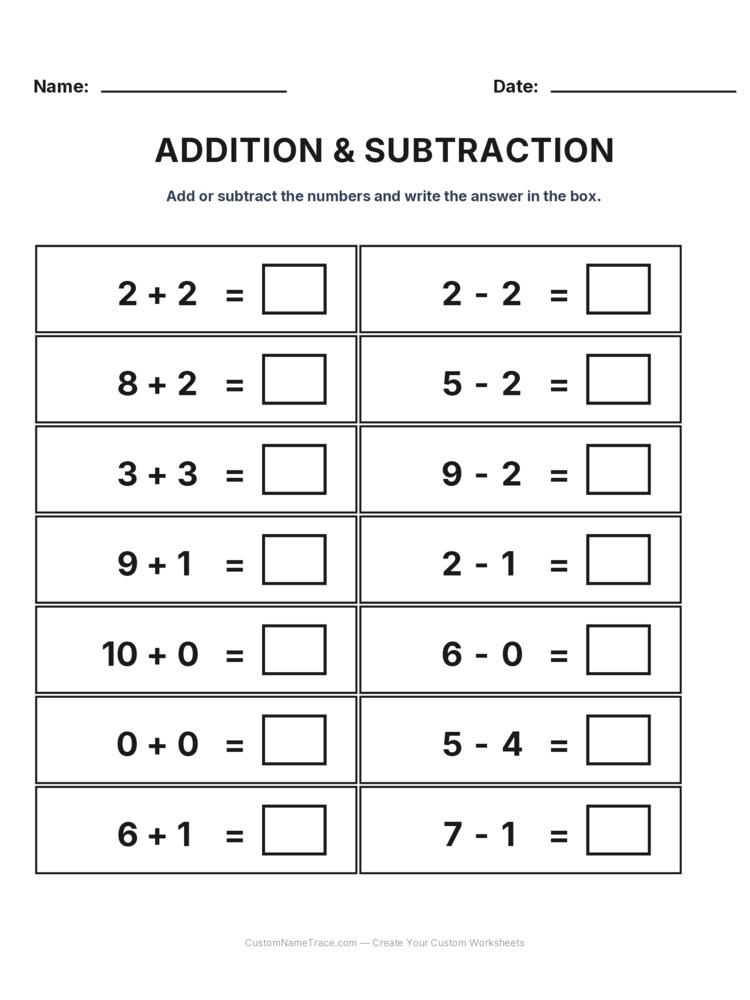
Mixed Review — Addition & Subtraction together
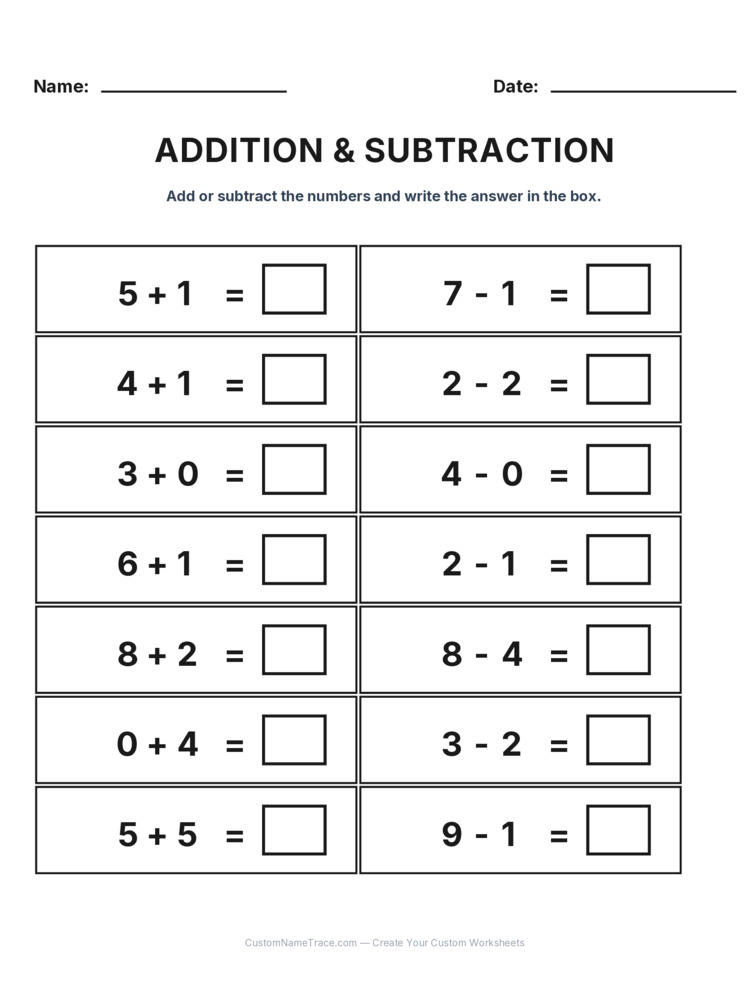
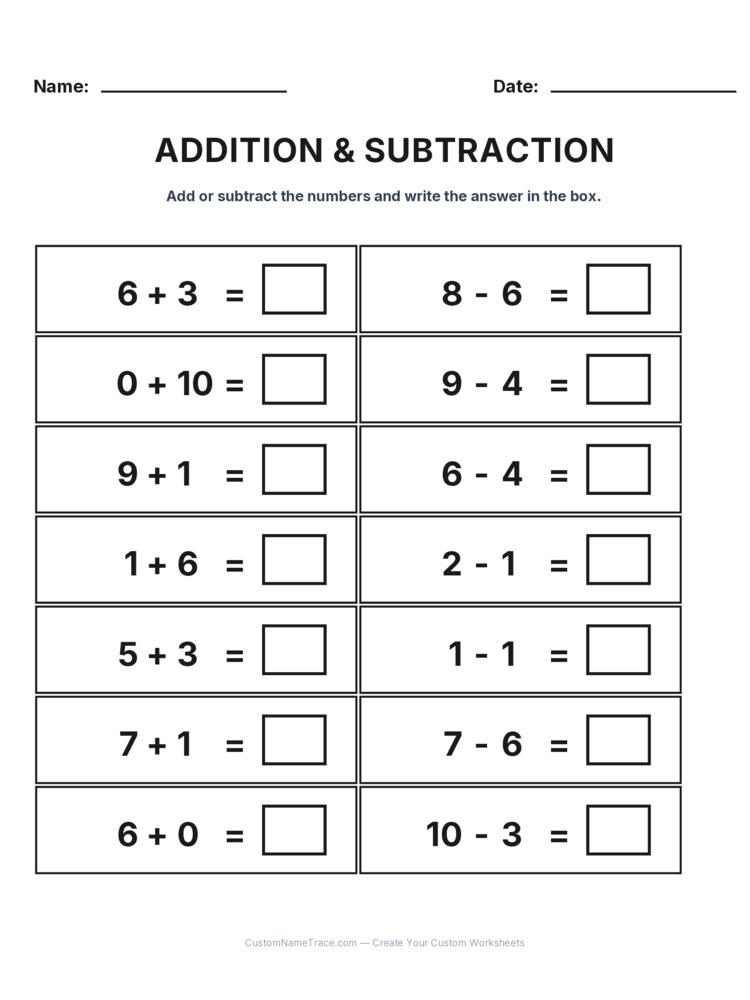
Once addition and subtraction within 10 both feel solid on their own, the Mixed Review page rotates between the two, row by row, without telling a child in advance which one is coming. That's a real, distinct skill from either dedicated page — recognizing which operation a problem is even asking for — and it's worth treating as its own practice step rather than assuming it comes for free once both operations are individually secure.
How to know a child is ready to move up
The signal to watch for isn't age, it's whether addition and subtraction within 10 have become quick and confident rather than effortful — a child counting on fingers for every problem is still building the foundation this level is for, and more practice here is time well spent. Once within-10 addition and subtraction feel close to automatic, Grade 1's within-20 range is the natural next step, not because a year has passed but because the skill underneath it is ready.
Using these worksheets with a Kindergartner
Short sessions work far better than long ones at this age — two or three rows at a time, said out loud ("6 and 2 more — count with me"), beats a whole page pushed through in one sitting. If a specific problem trips a child up repeatedly, it's worth pausing to count it out with real objects — fingers, blocks, anything countable — before moving to the next row, rather than plowing ahead.
Why Addition comes before Subtraction, and why both matter this early
Addition is usually the first real math operation a child meets because "put groups together and count them" is the more natural mental move — it matches how counting itself already works. Subtraction asks for something extra: holding the starting amount in mind while mentally removing part of it, which is why it typically lands as the slightly harder half of this pair even though both stay within the same number range. Practicing both, rather than treating subtraction as an afterthought once addition is solid, is what actually builds the fact-family thinking (that 6+2=8 and 8-2=6 are two views of the same relationship) that later grades build on directly.