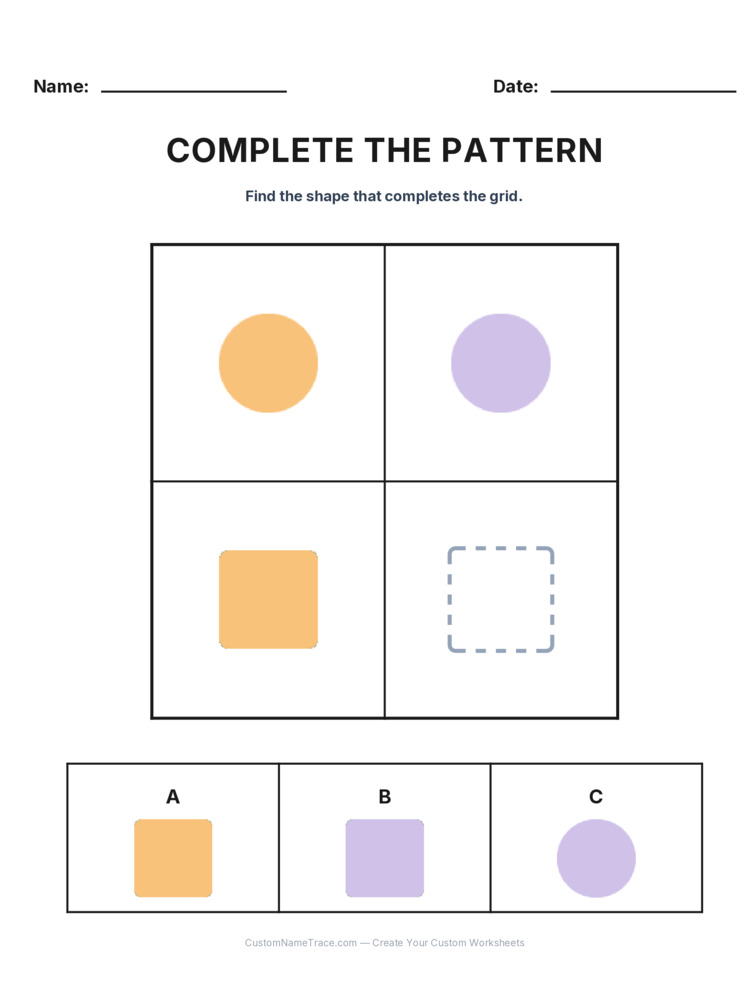
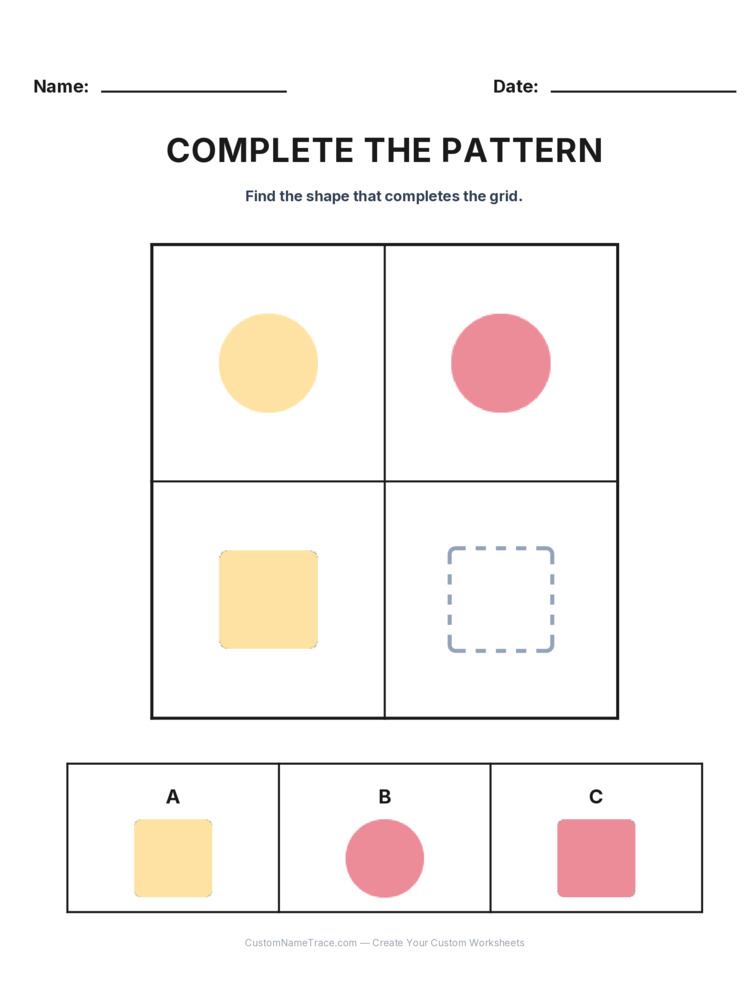
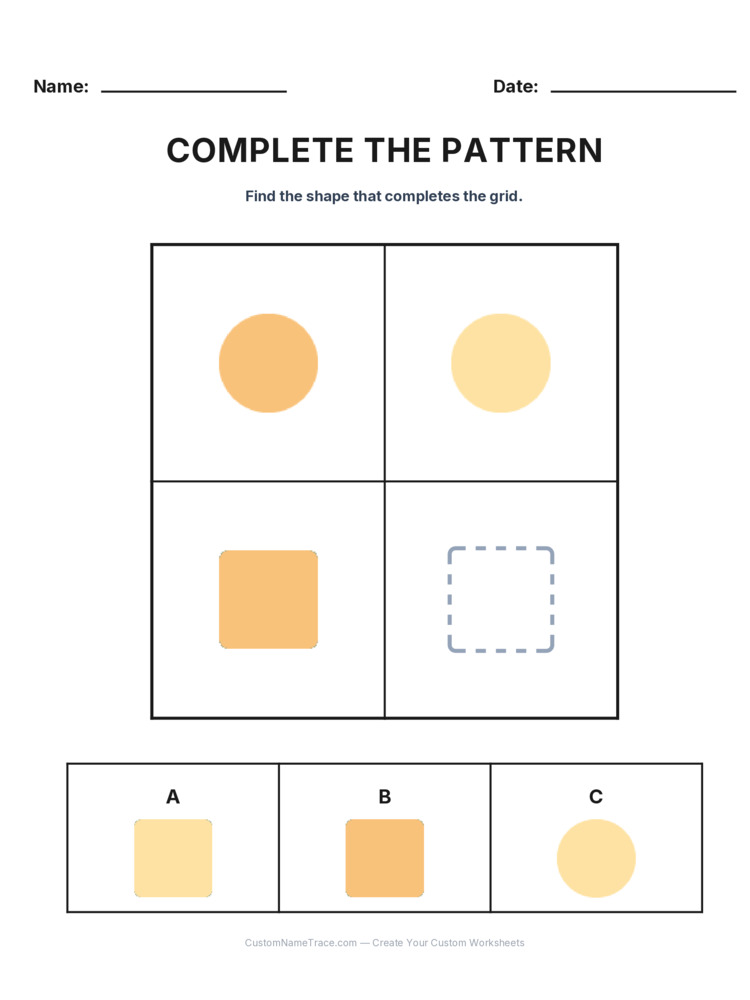
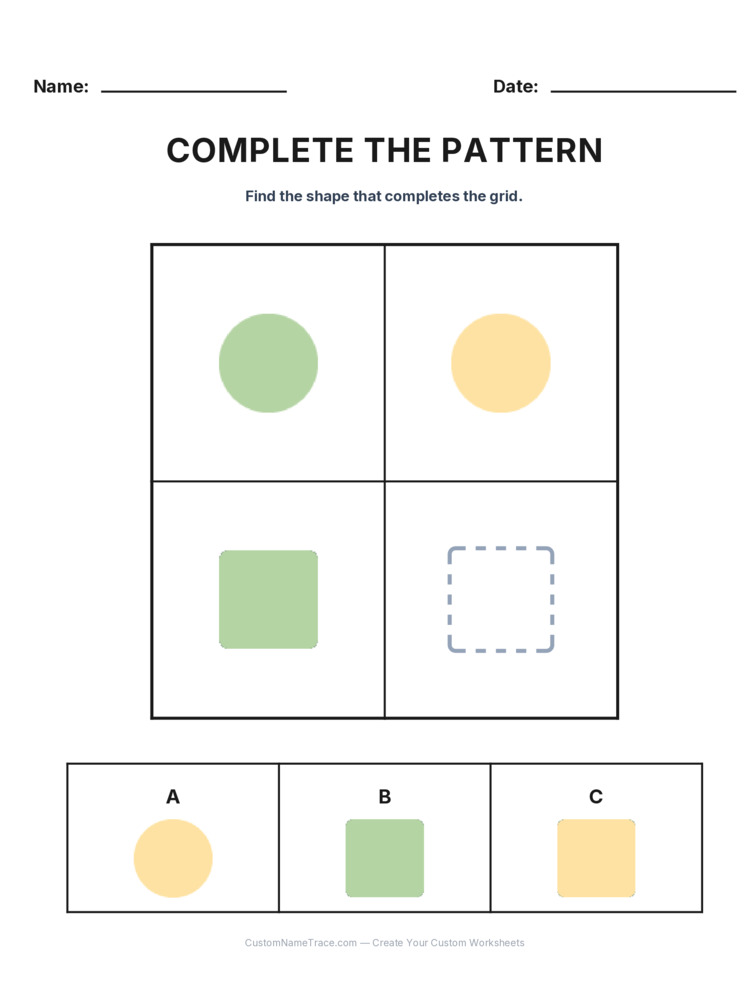
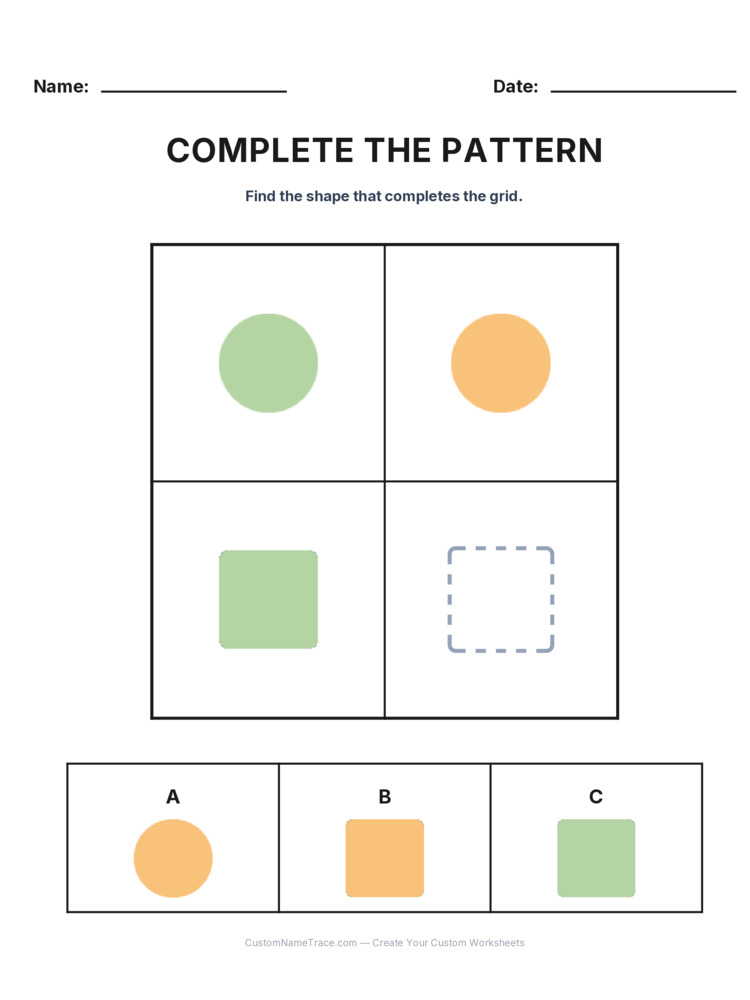
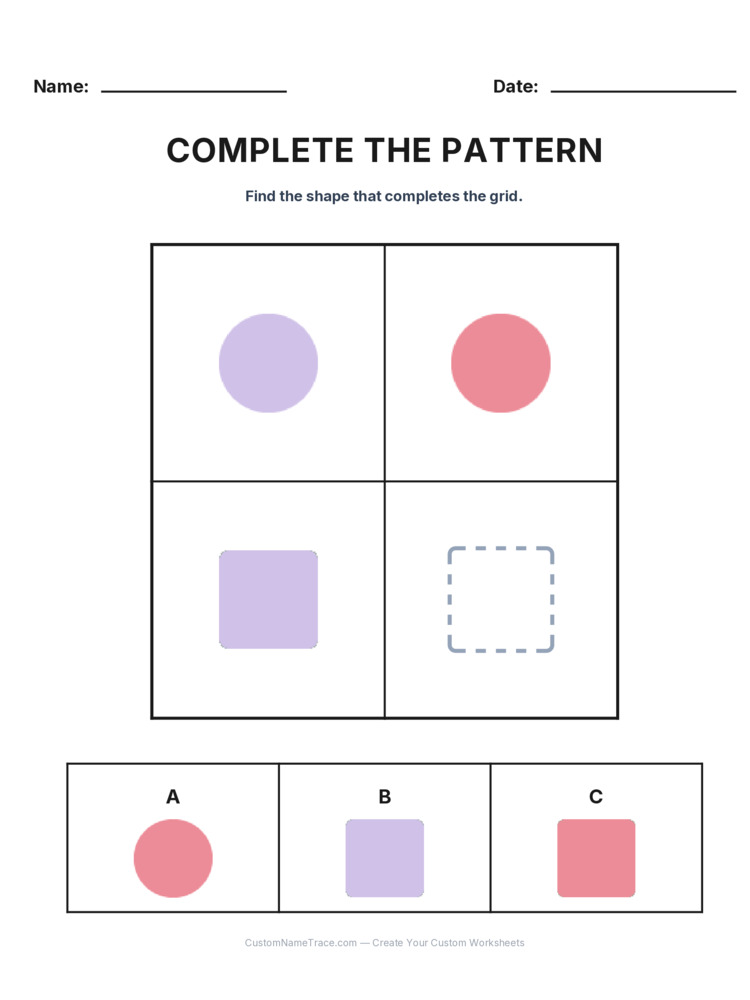
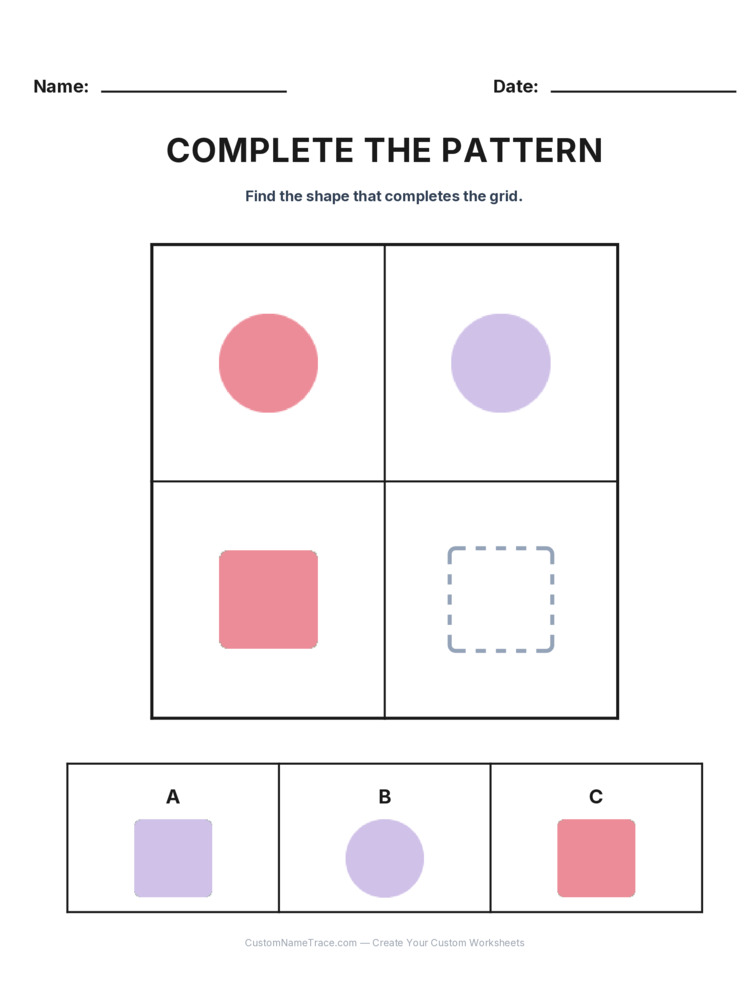
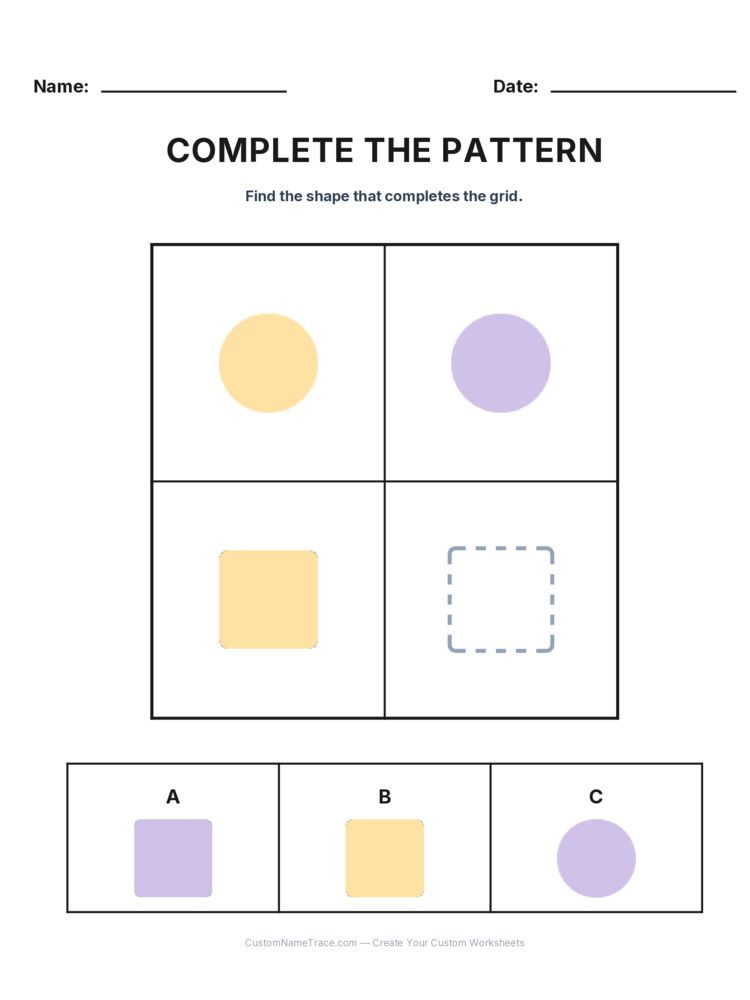
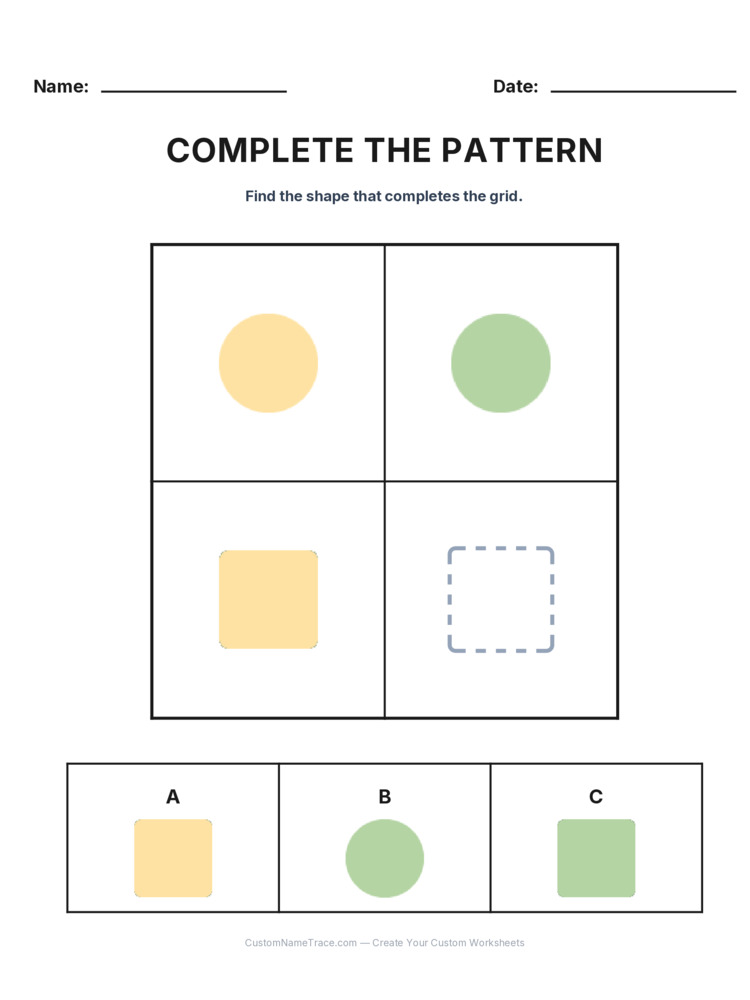
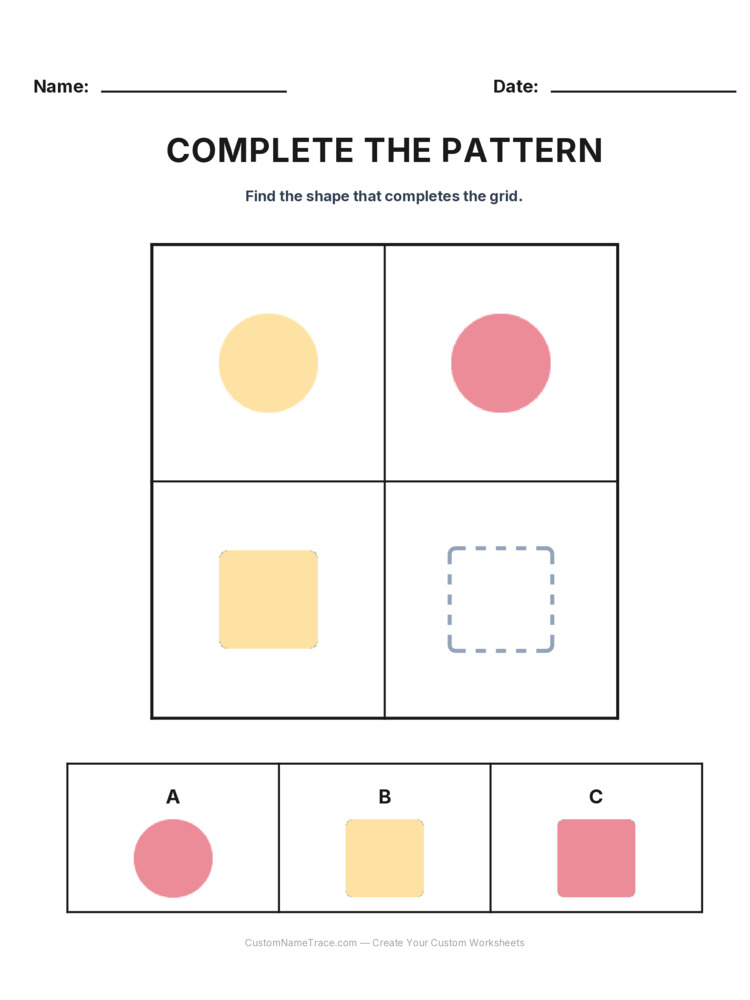
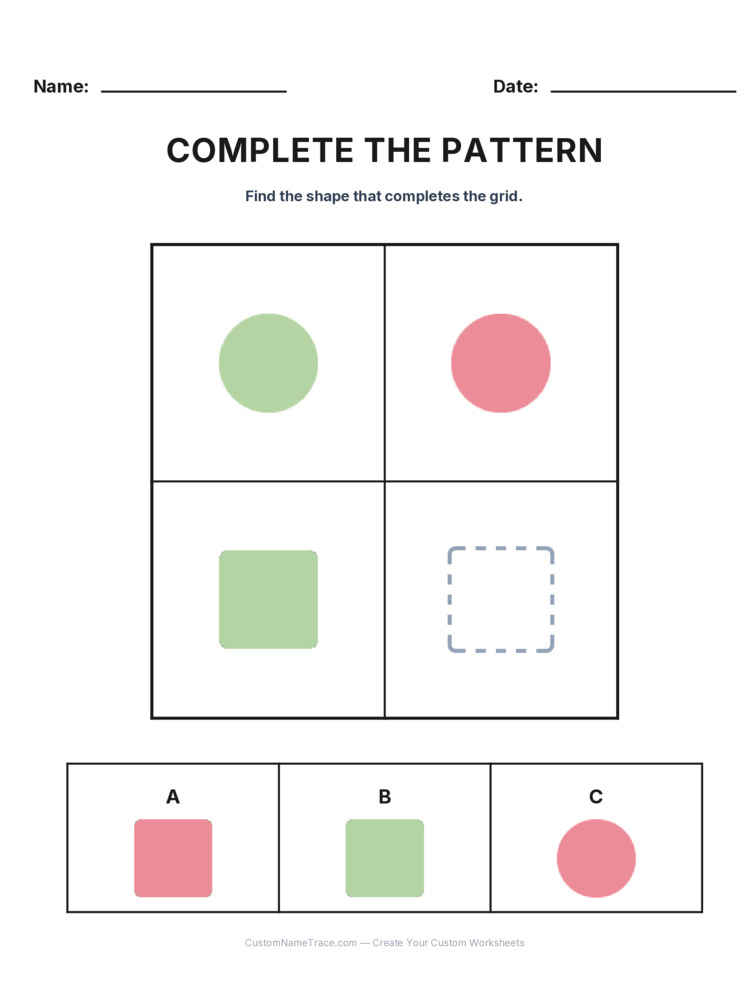
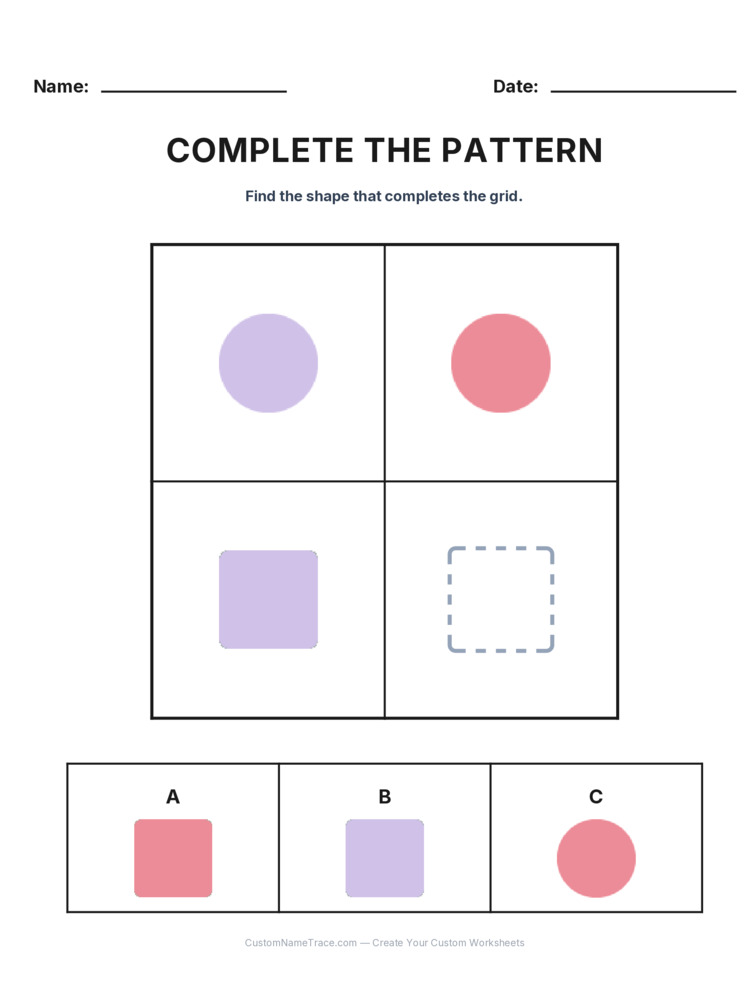
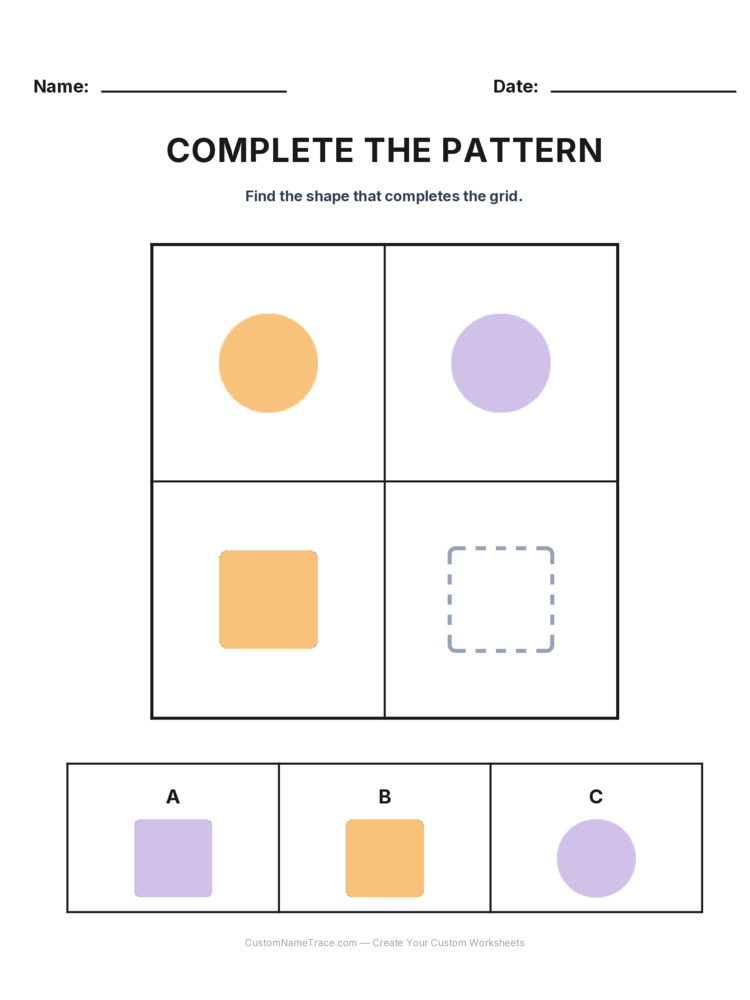
Two rules at once
Grade 2 introduces puzzles that combine two rules simultaneously rather than one — a step up from Grade 1's single-rule puzzles that prepares a child for the multi-condition reasoning Grade 3's Venn diagrams and Mini Sudoku require.
Complete the Pattern (2x2 Grids)
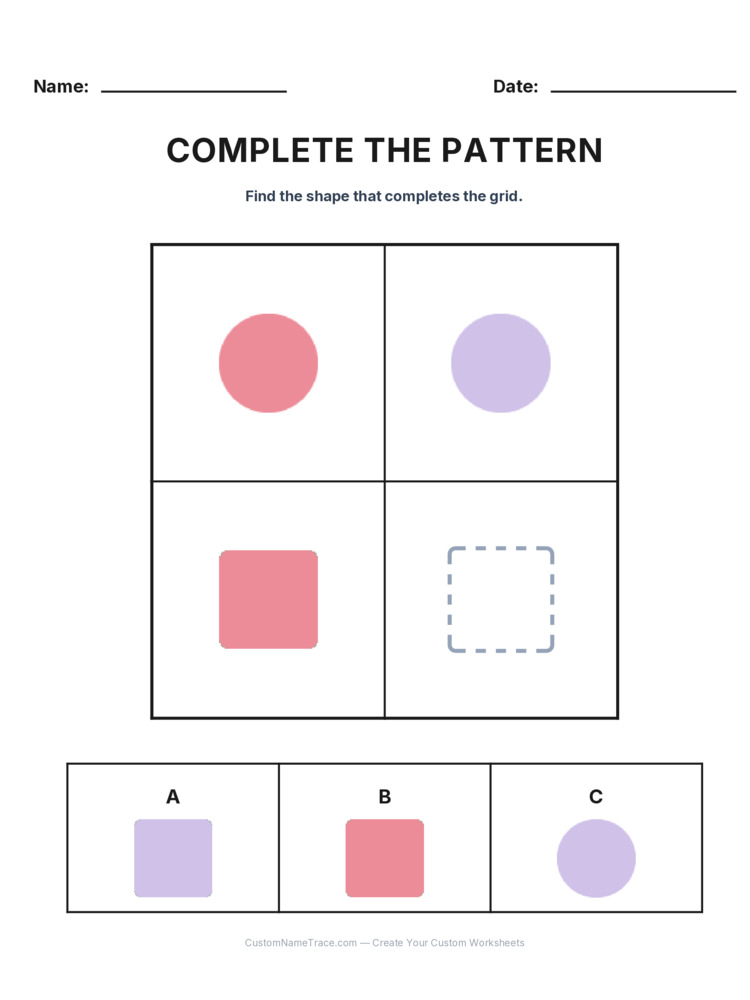
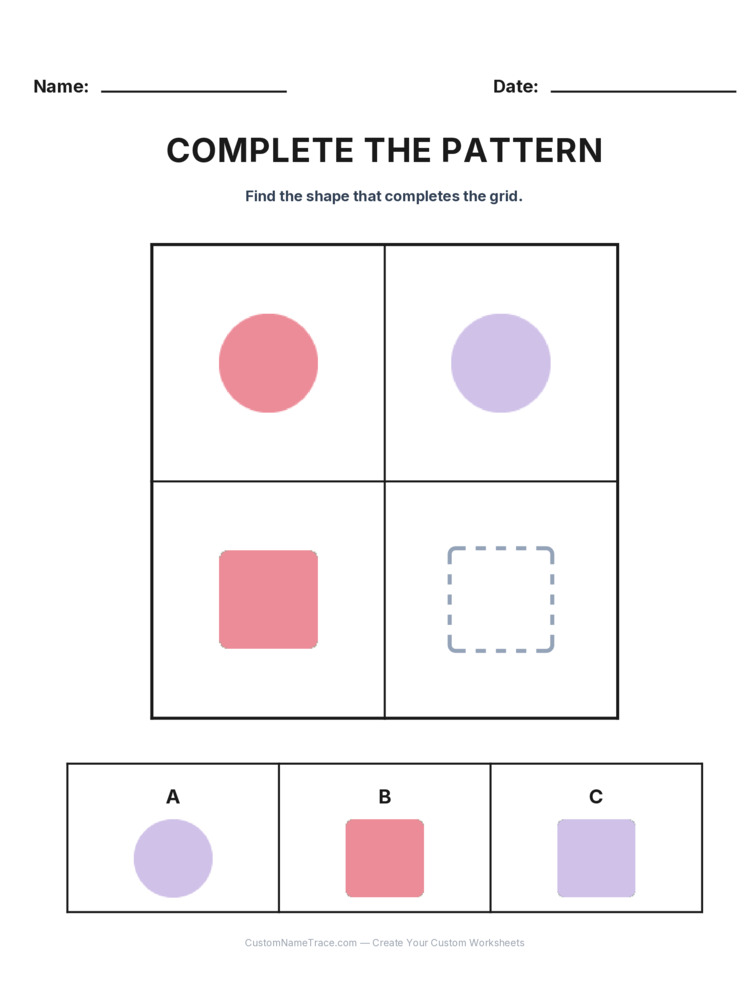
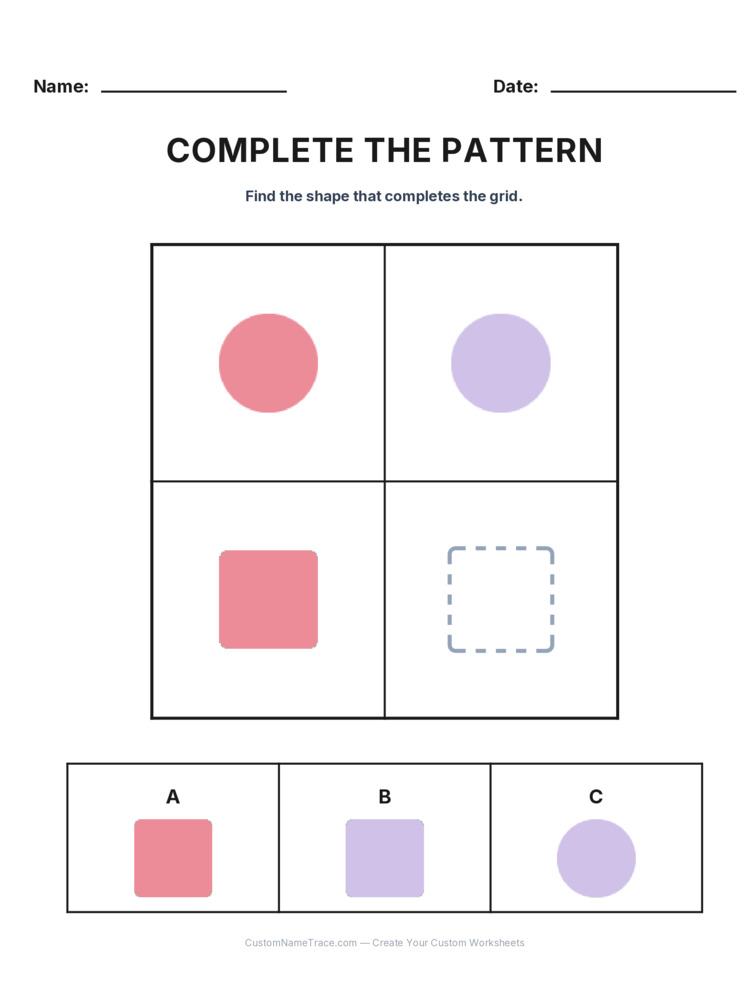
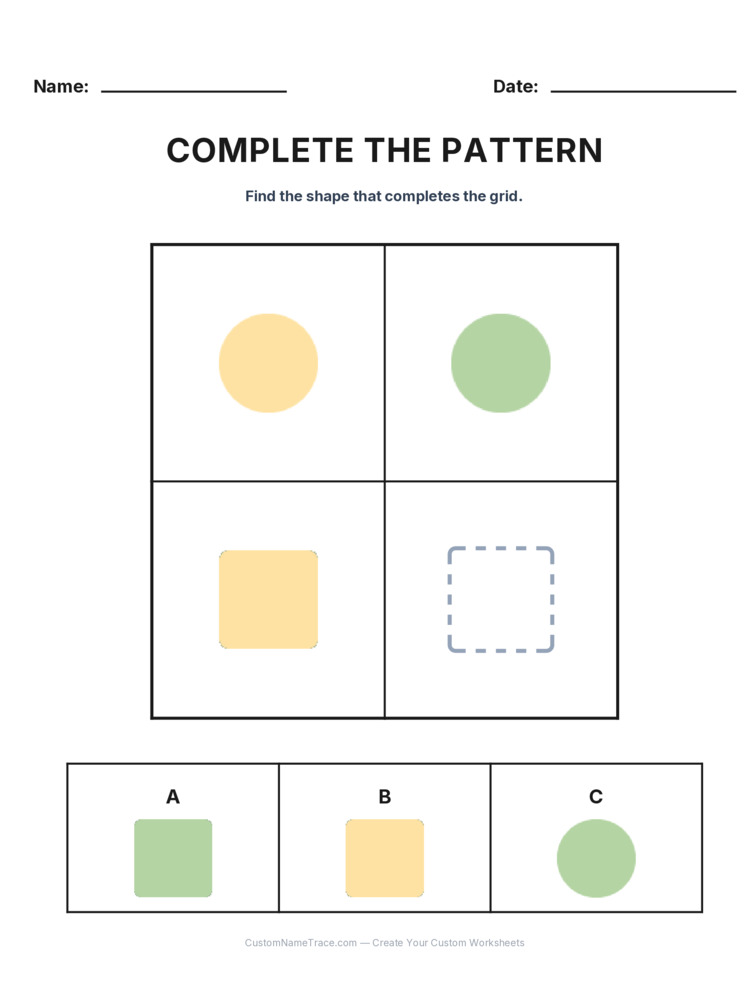
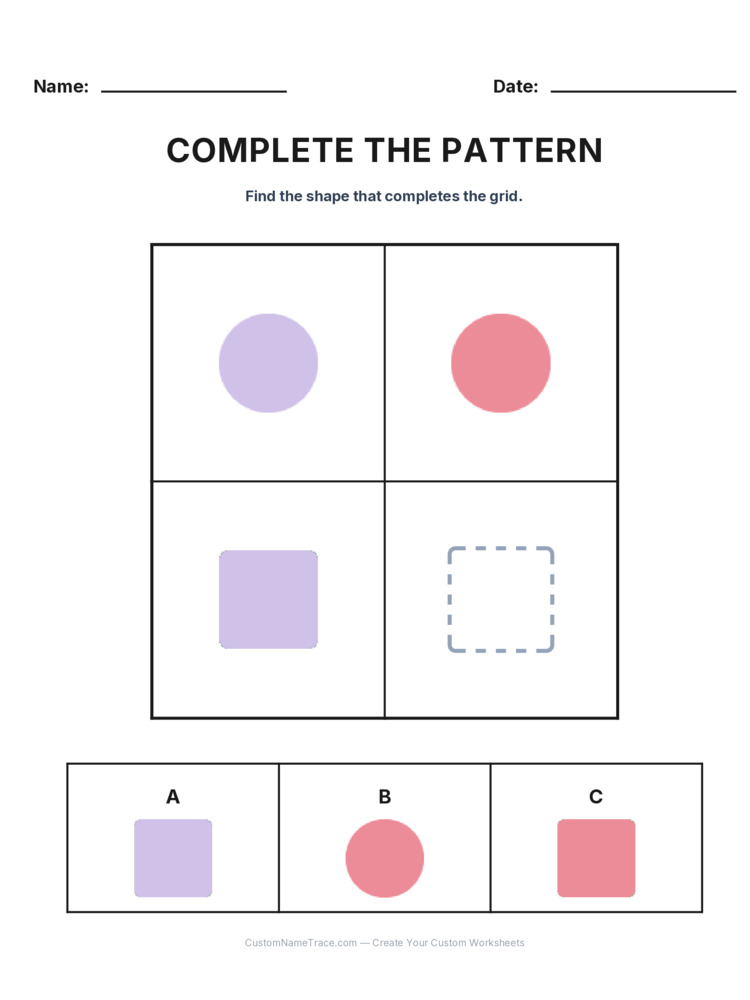
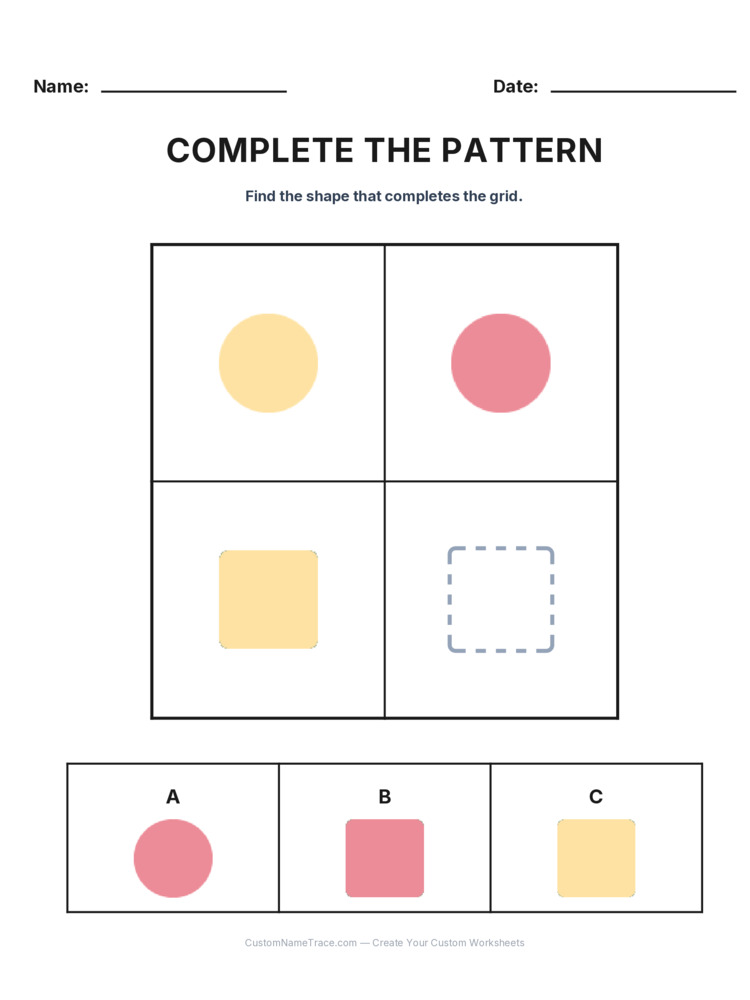
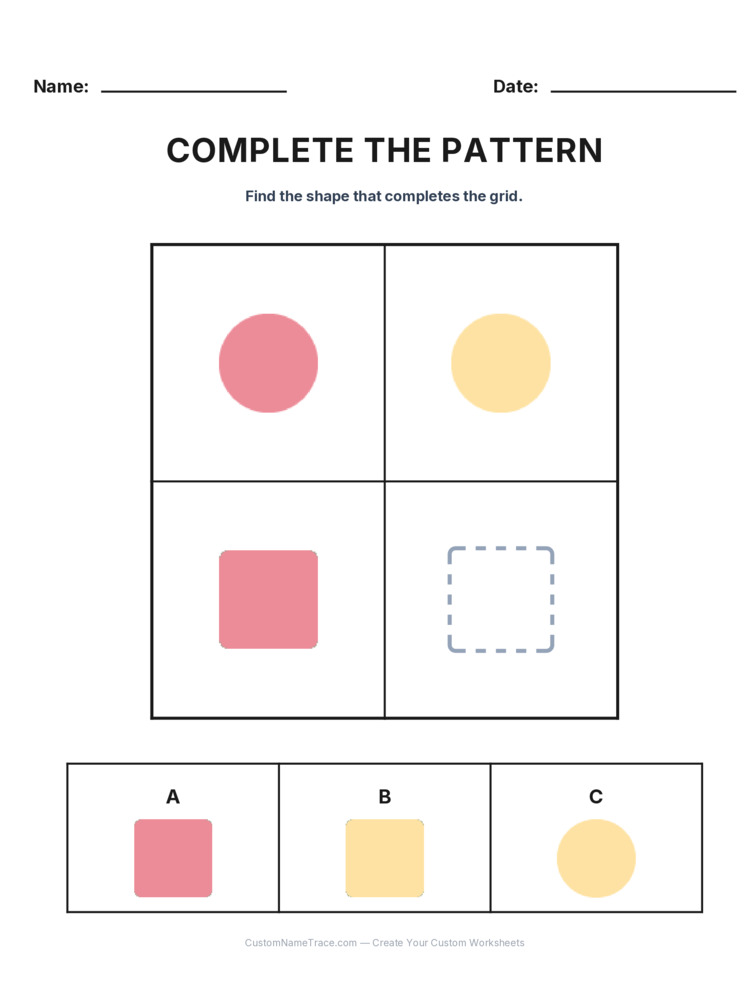
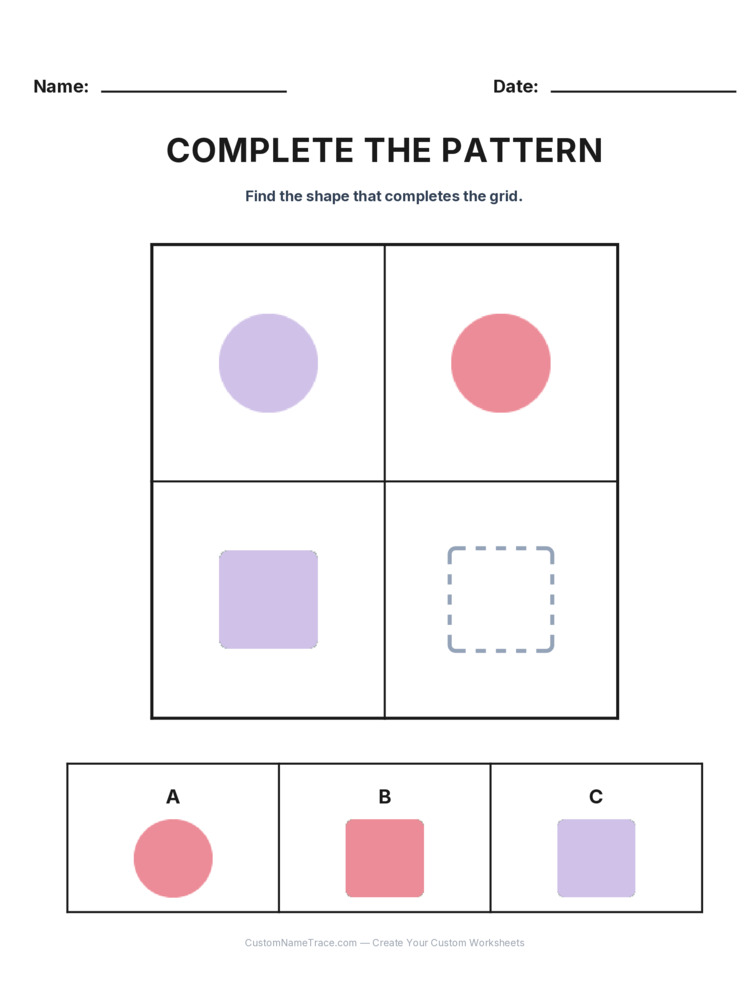
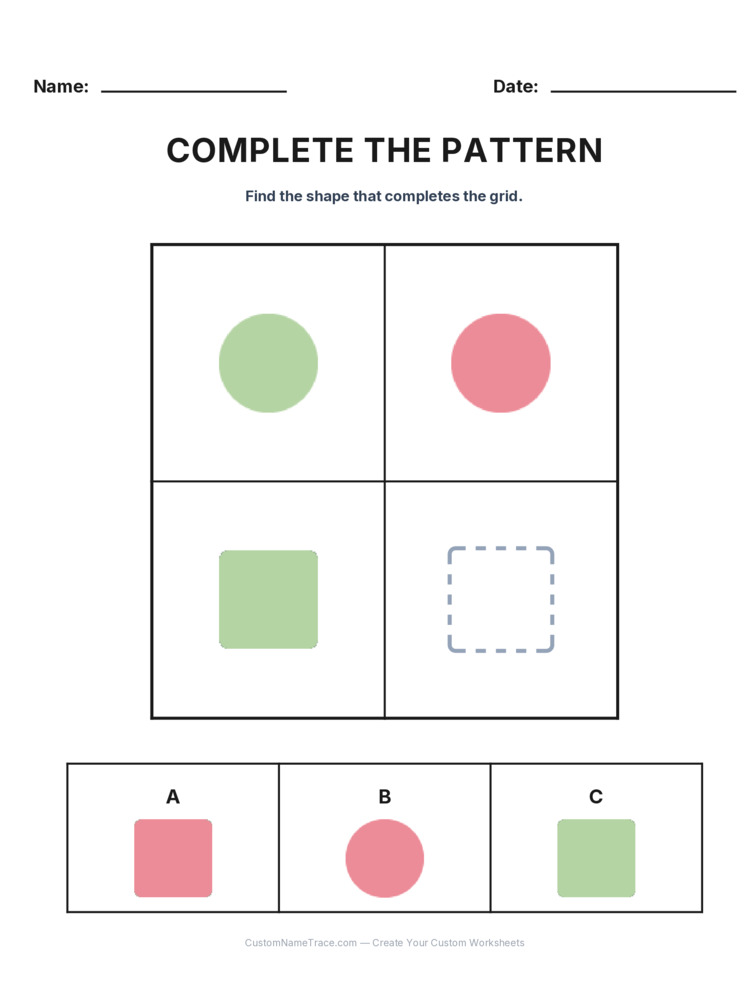
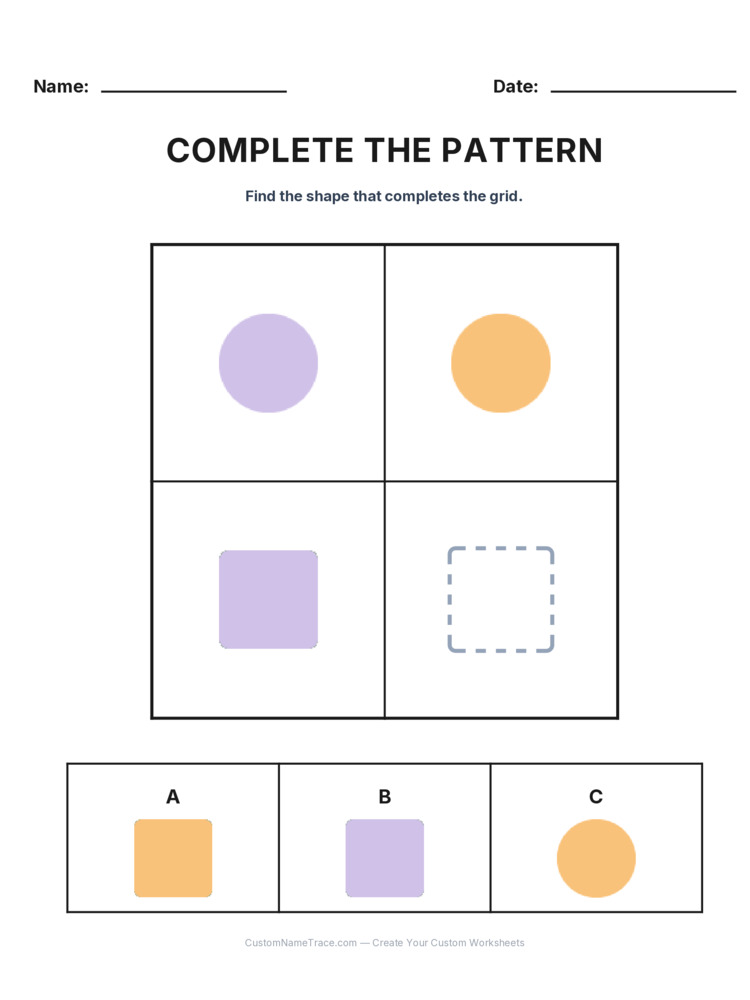
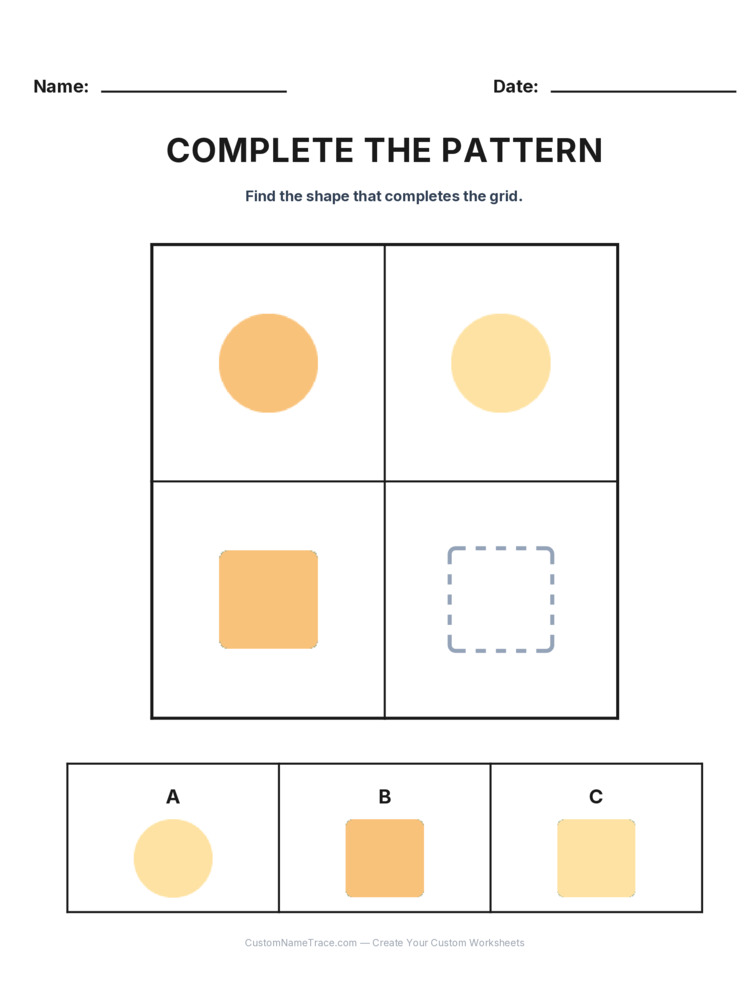
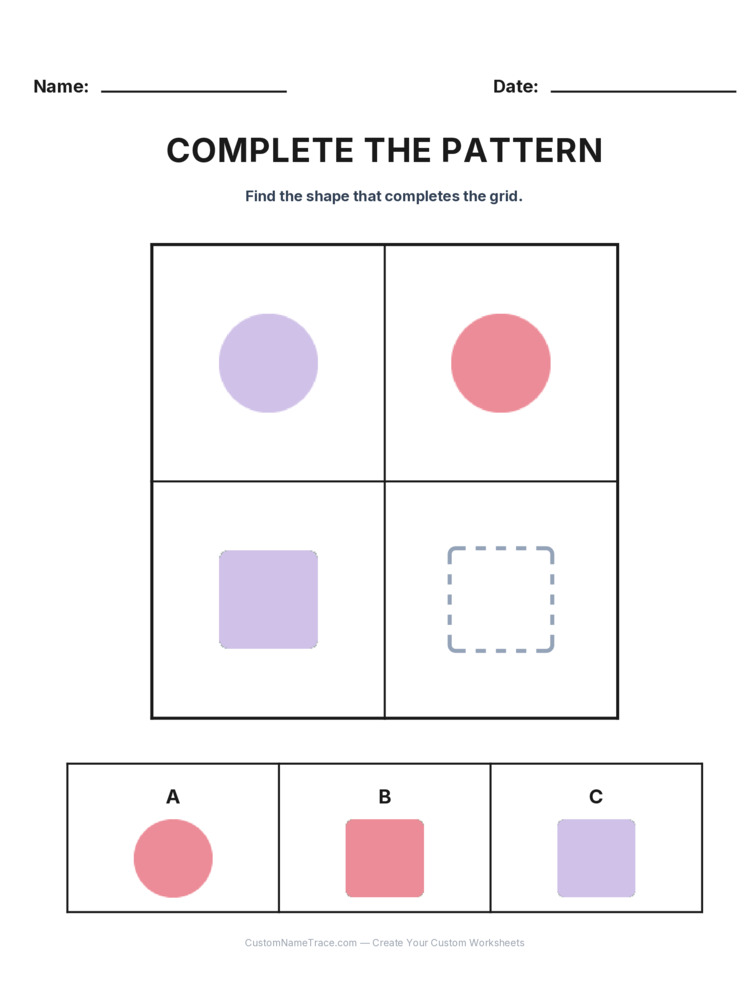
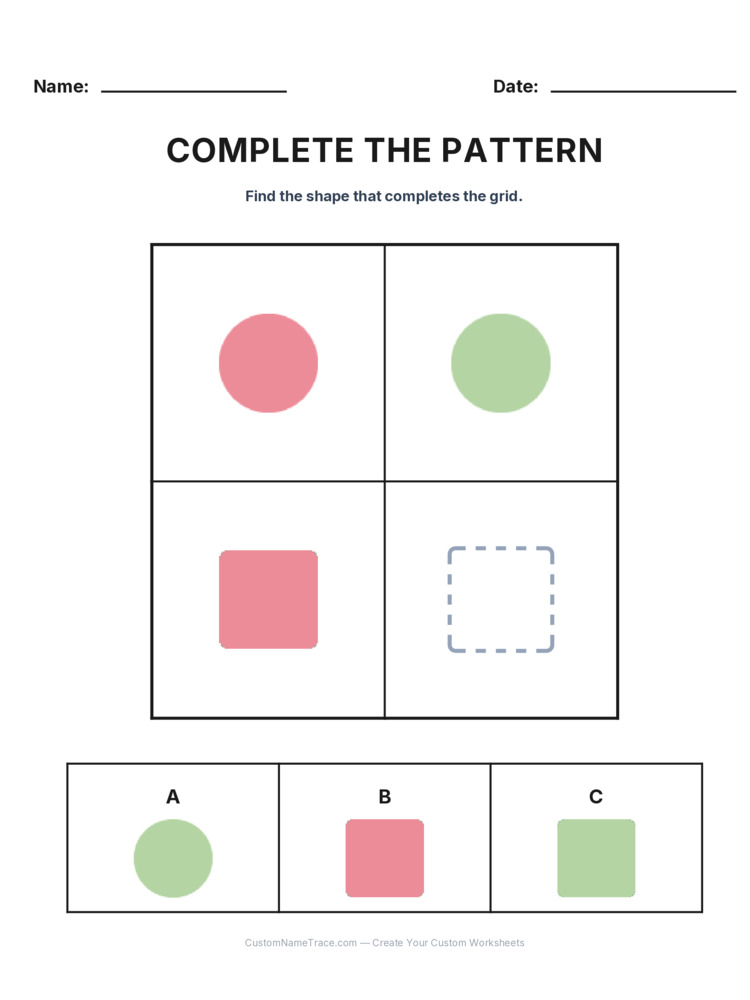
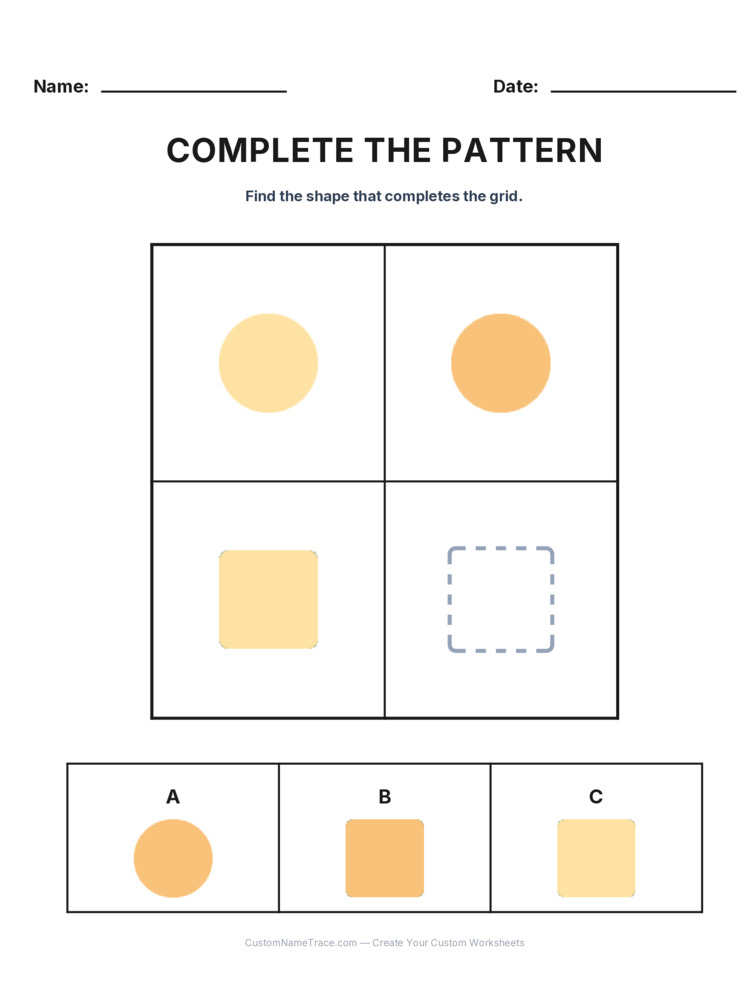
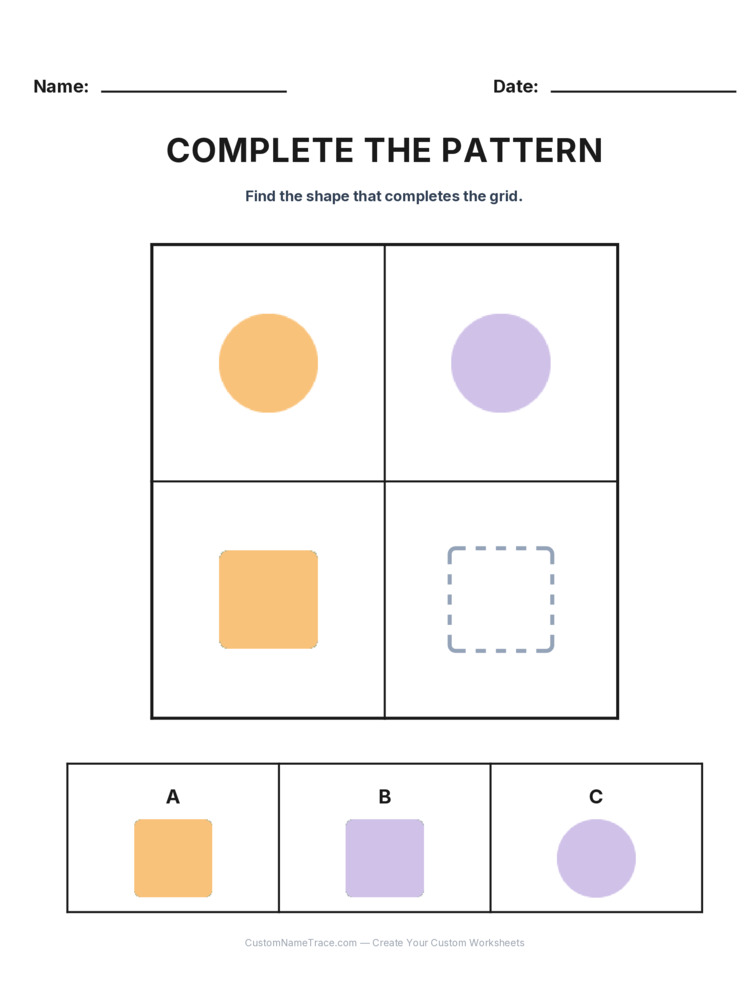
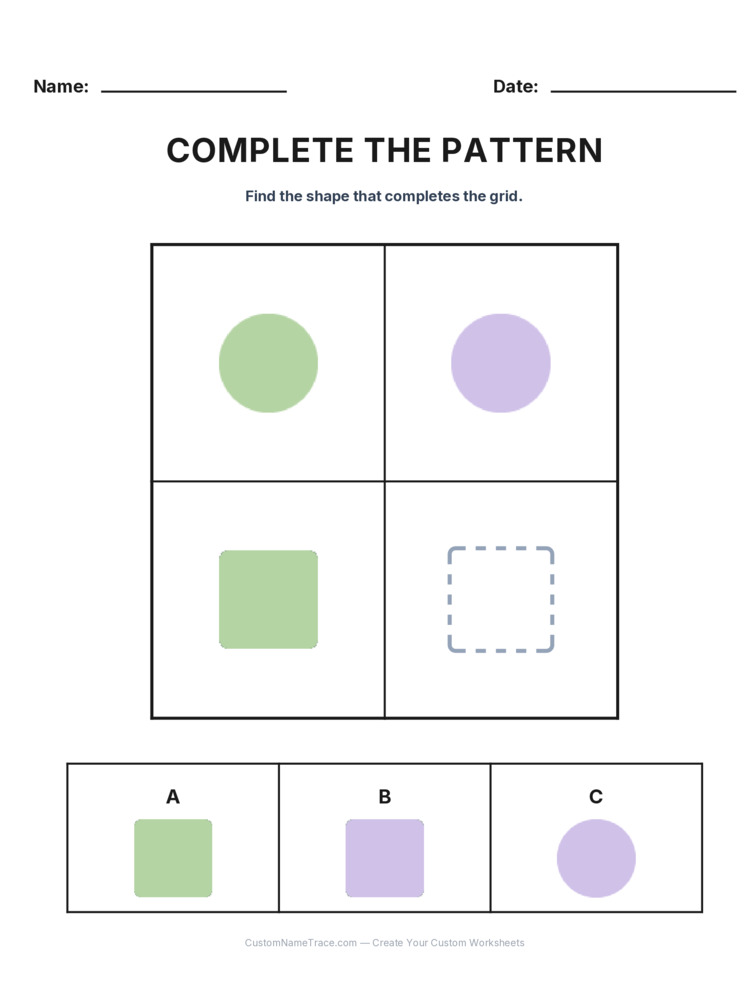
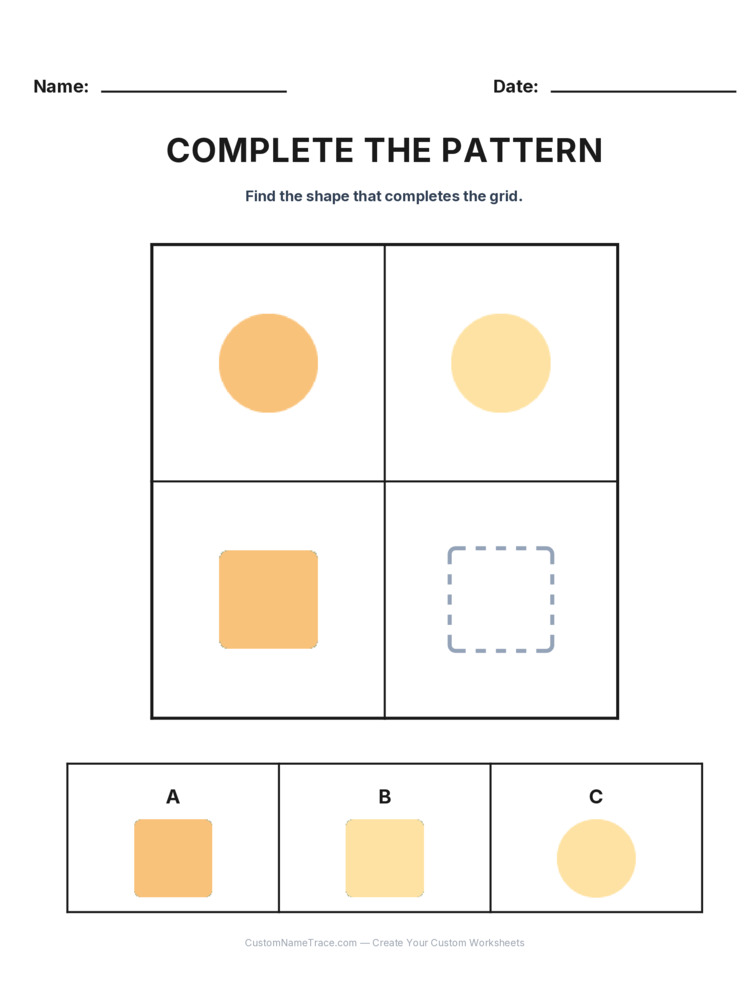
A small 2x2 grid is built from two categories at once — a shape and a color, arranged so each row is one shape and each column is one color. One cell is left blank, and a child has to work out what belongs there by reading both the row's rule and the column's rule together, then pick the correct answer from three lettered options. This is the first puzzle format on the site that genuinely can't be solved by matching a single picture — it requires holding two rules in mind at the same time.
Growing Sequences, harder range
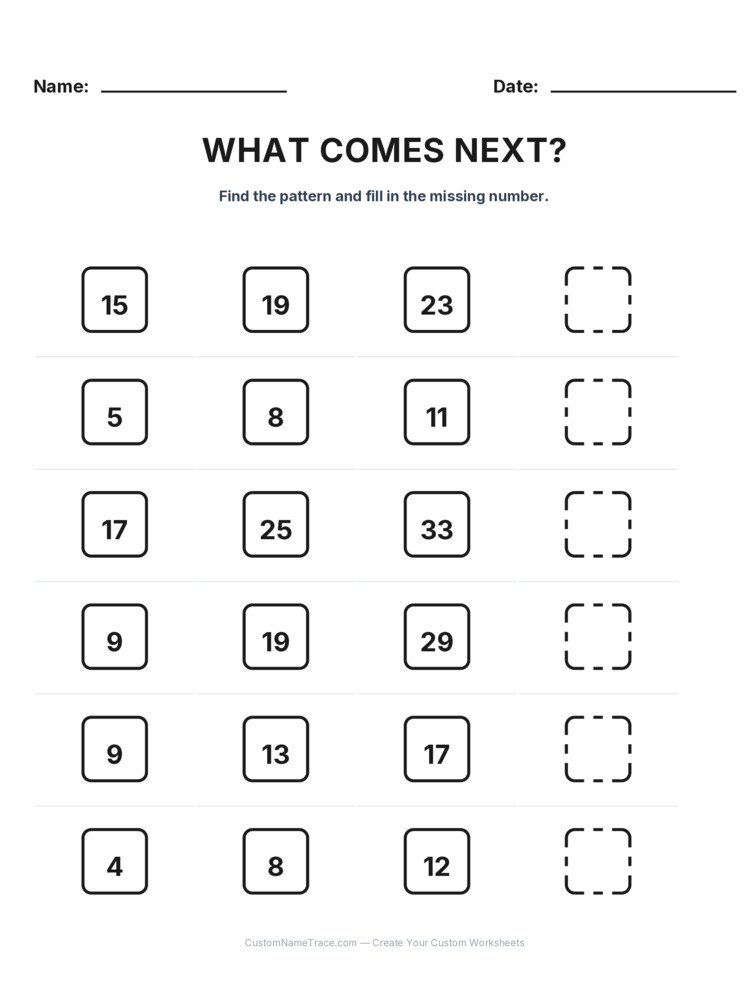
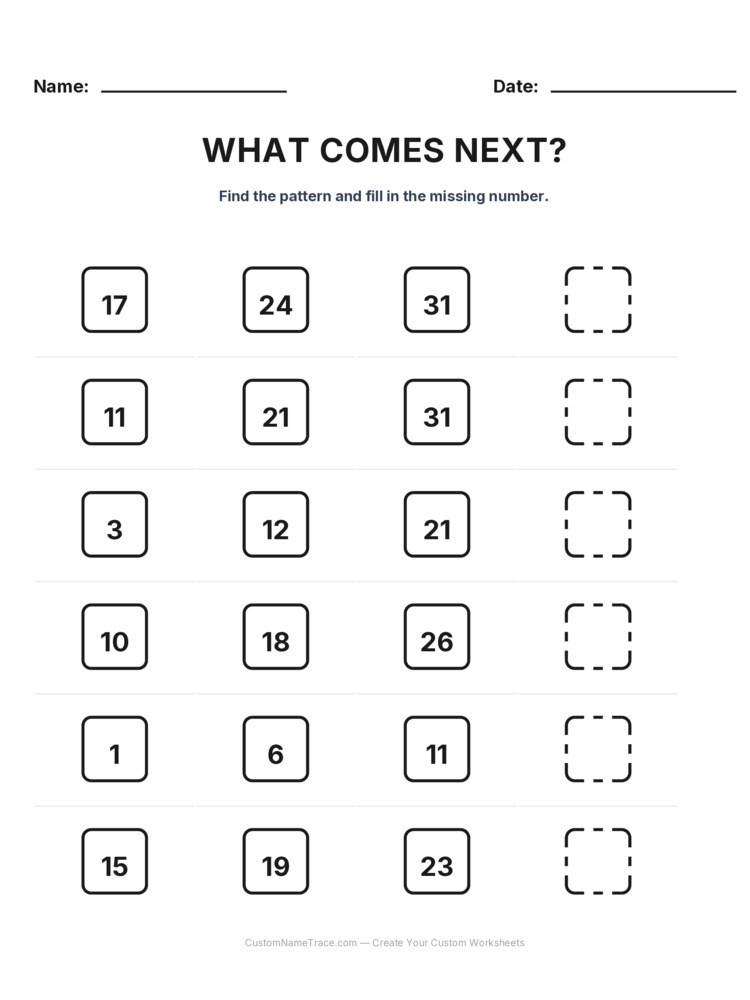
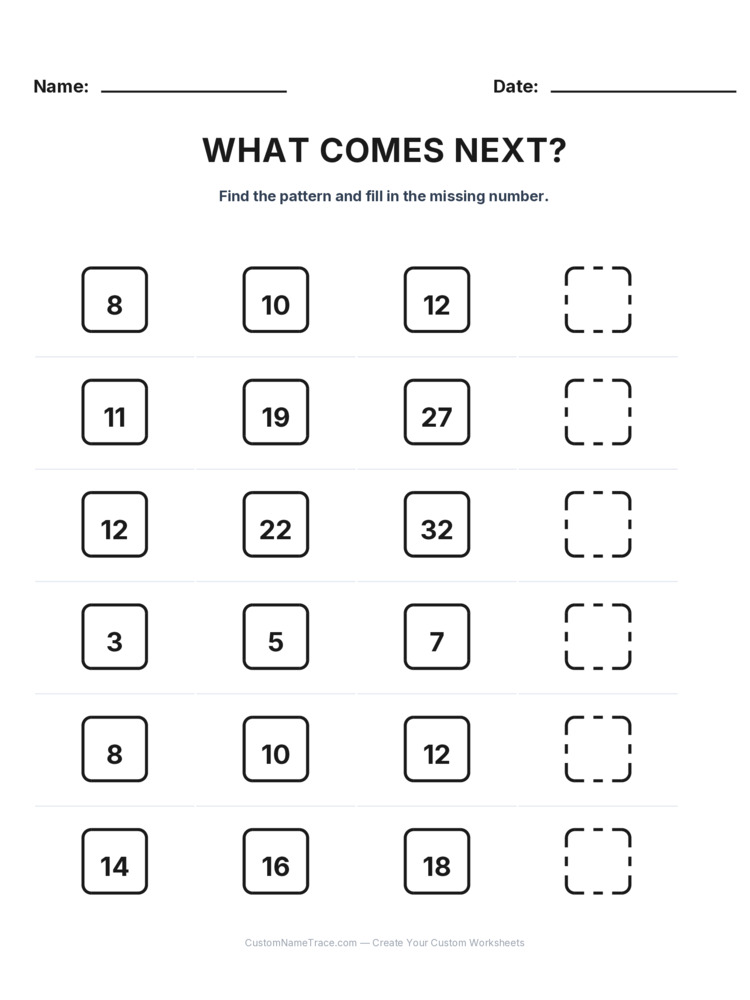
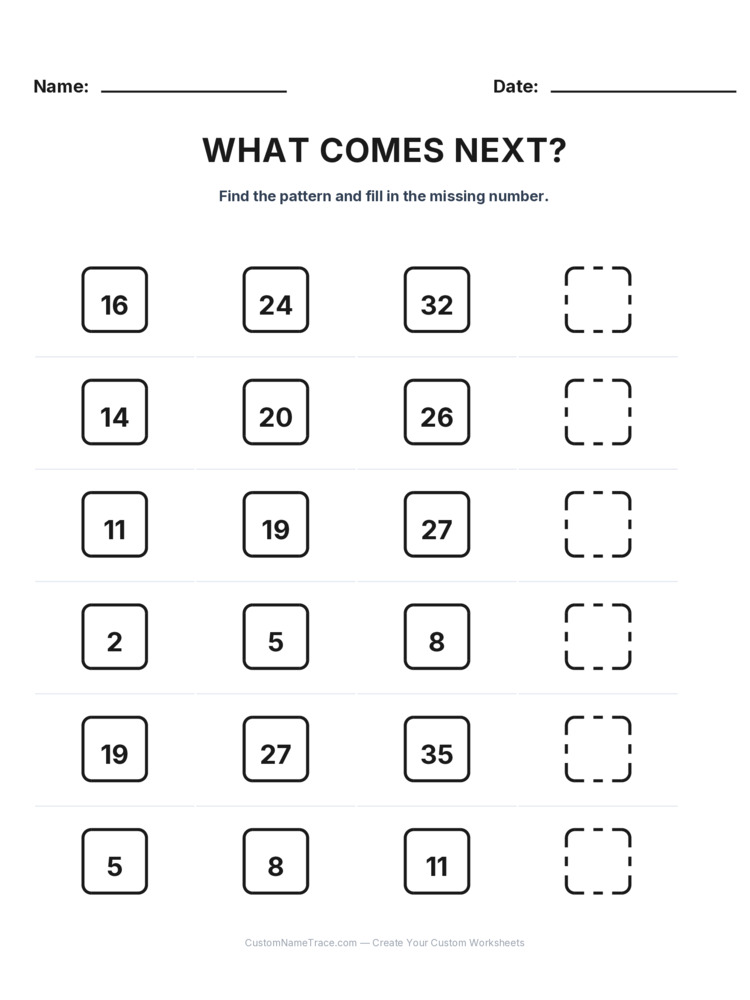
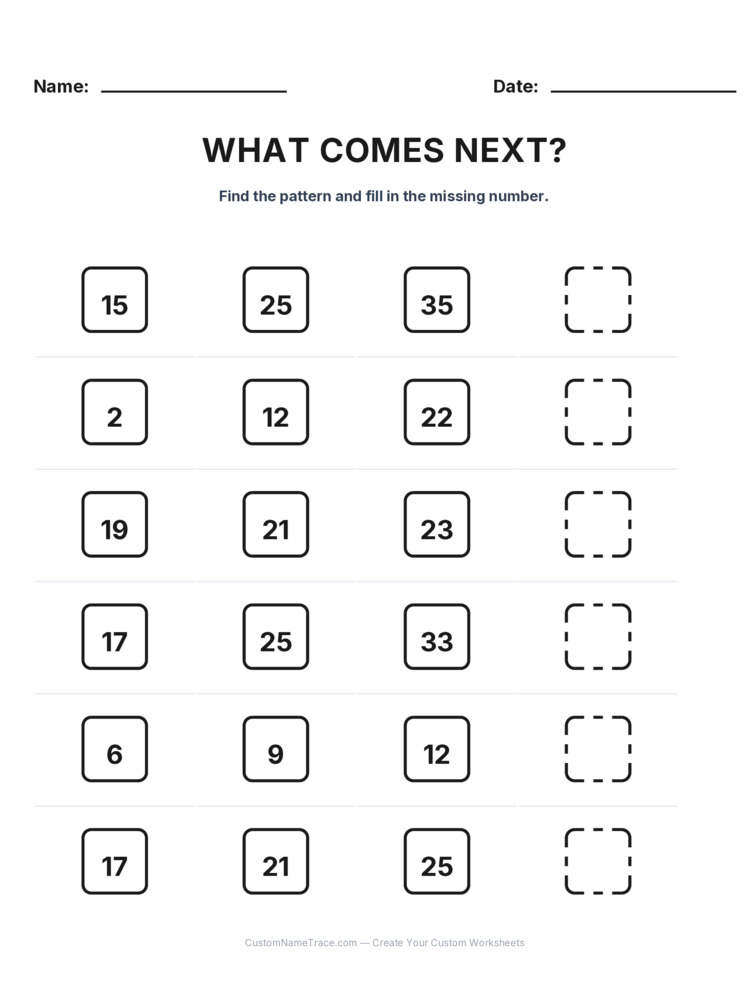
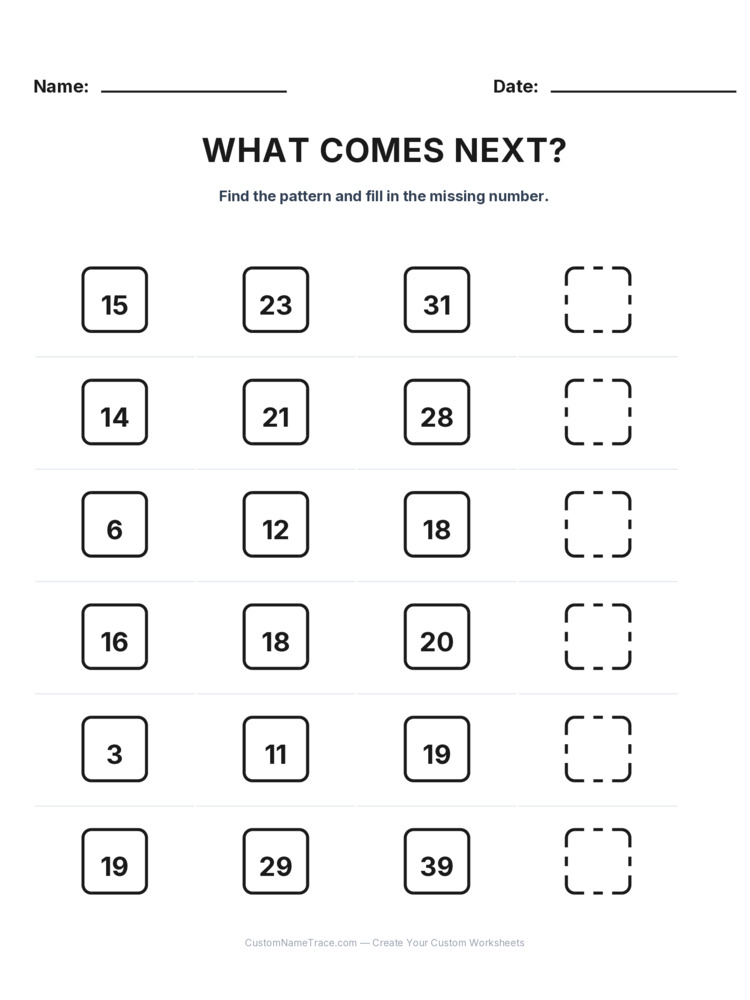
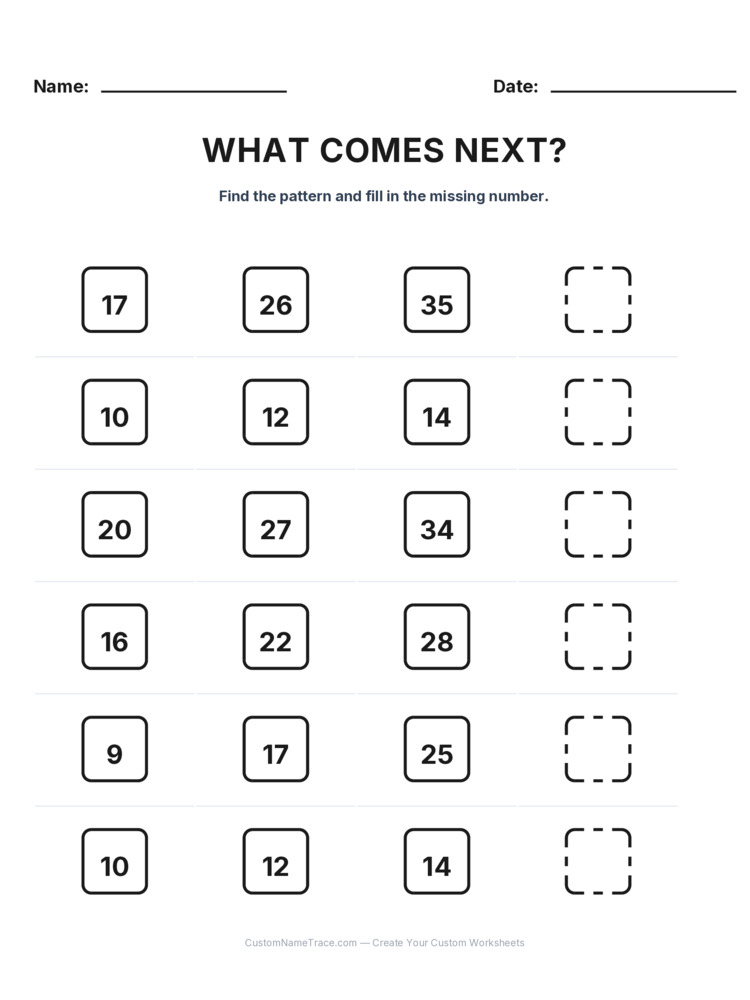
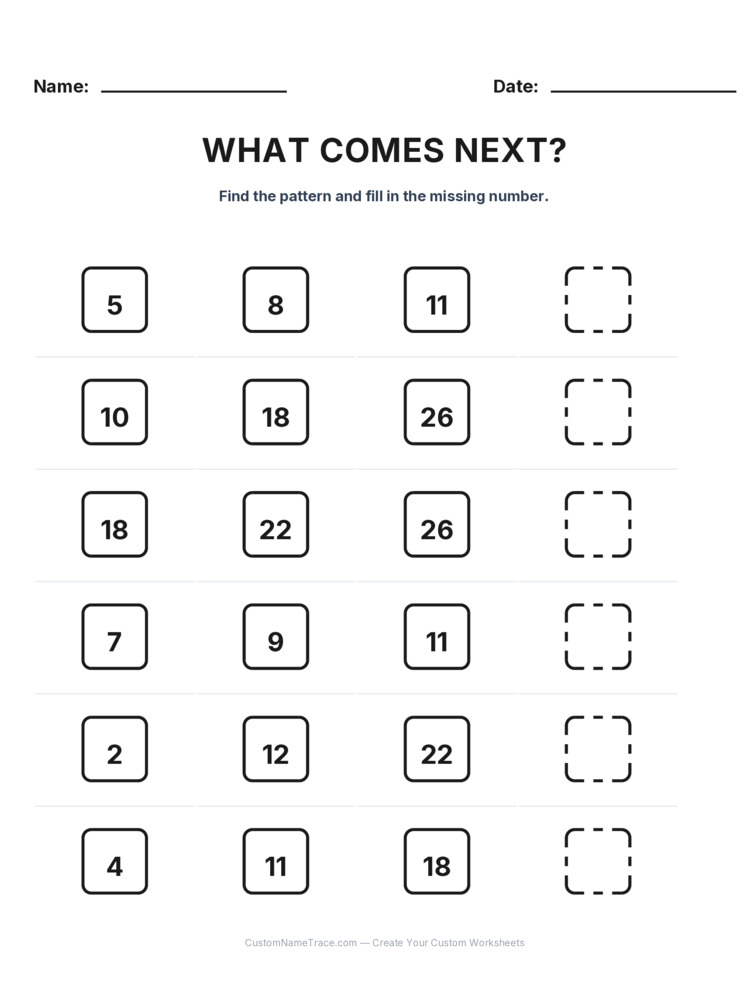
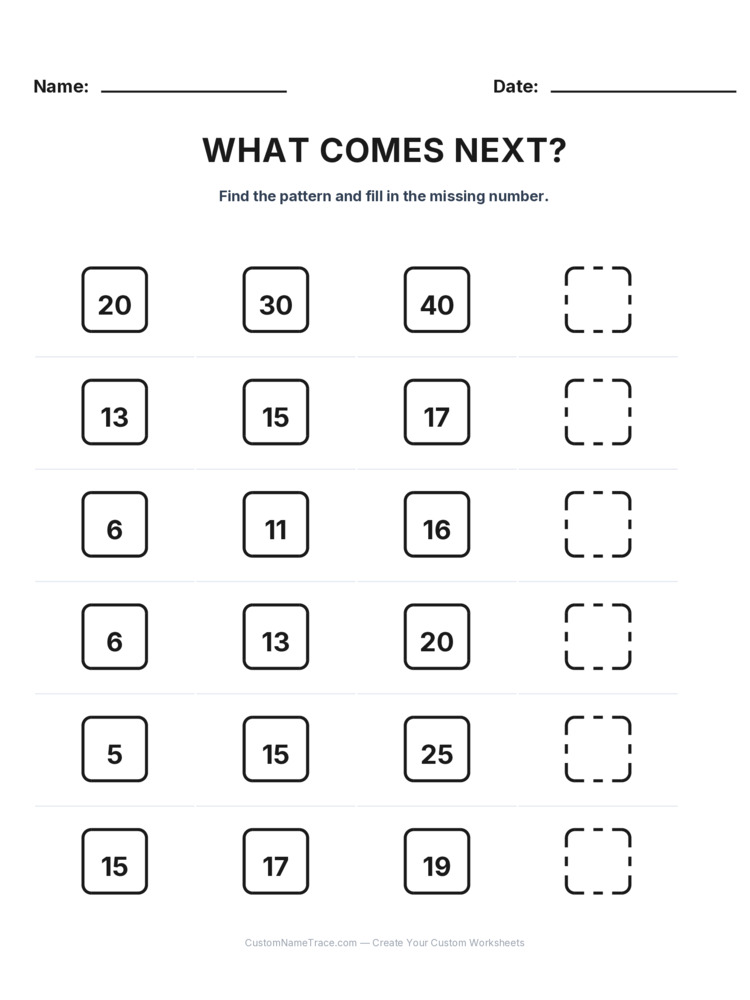
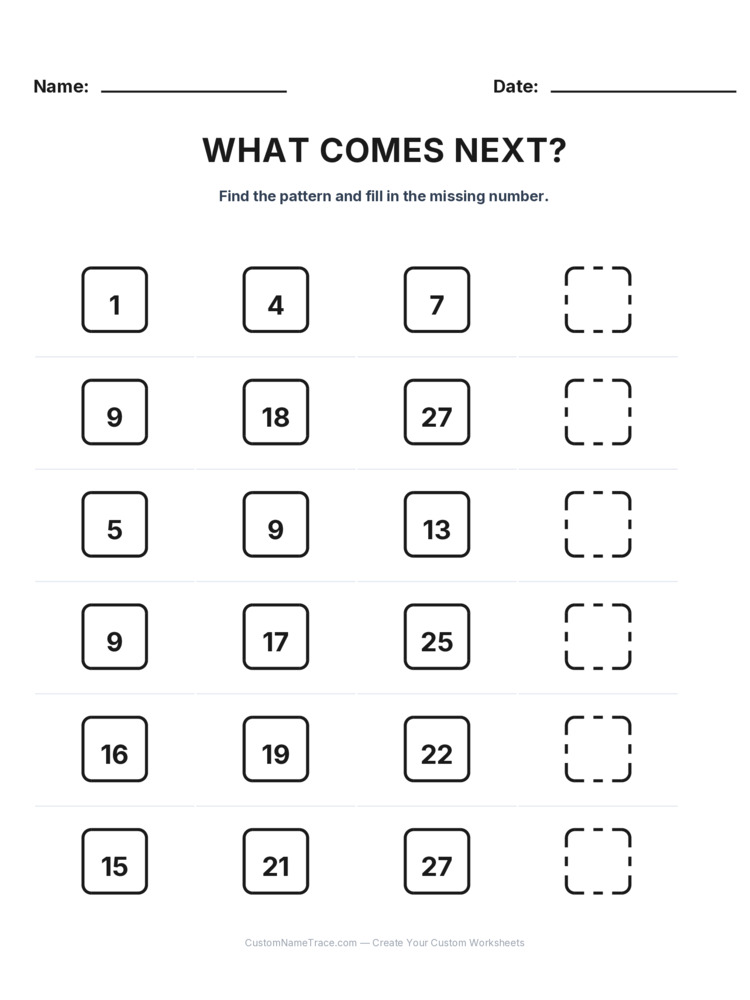
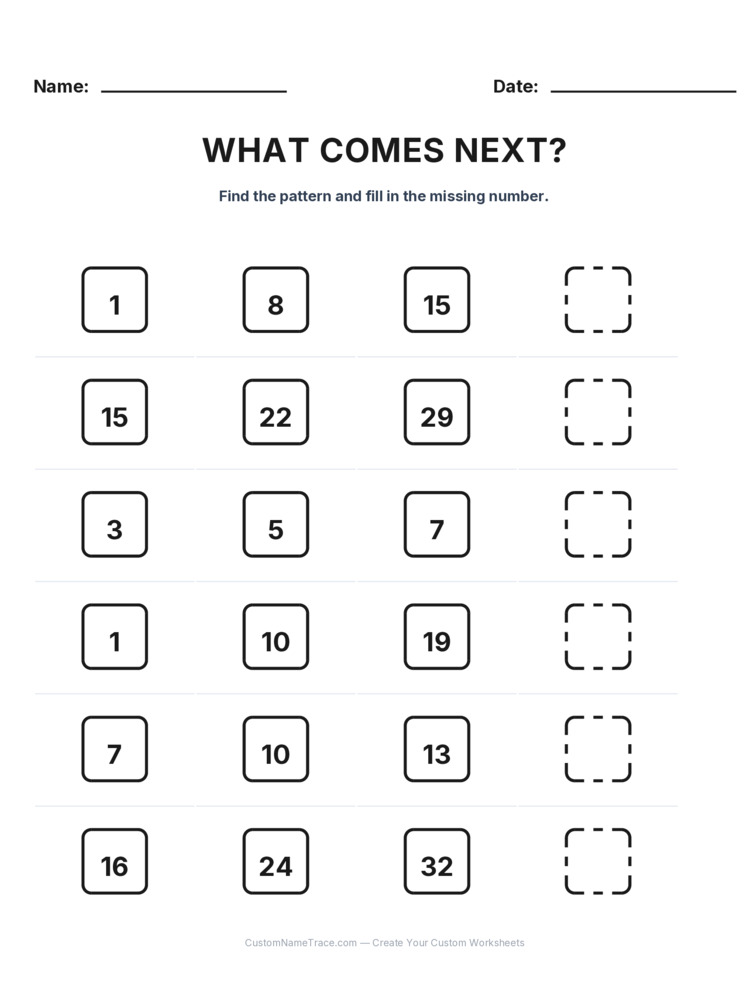
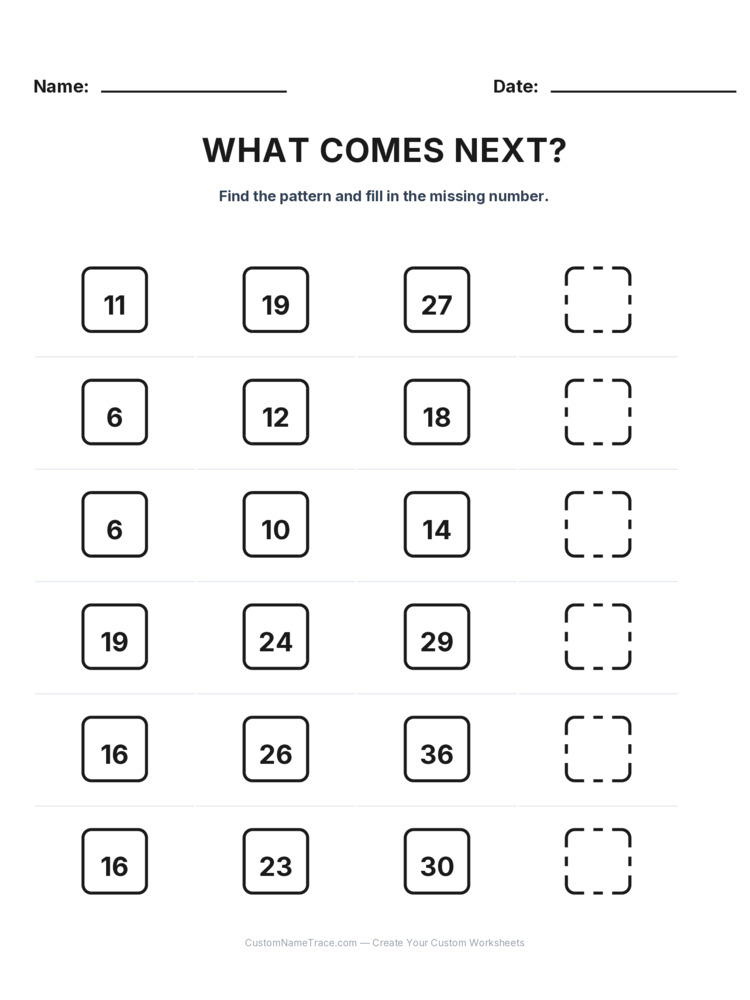
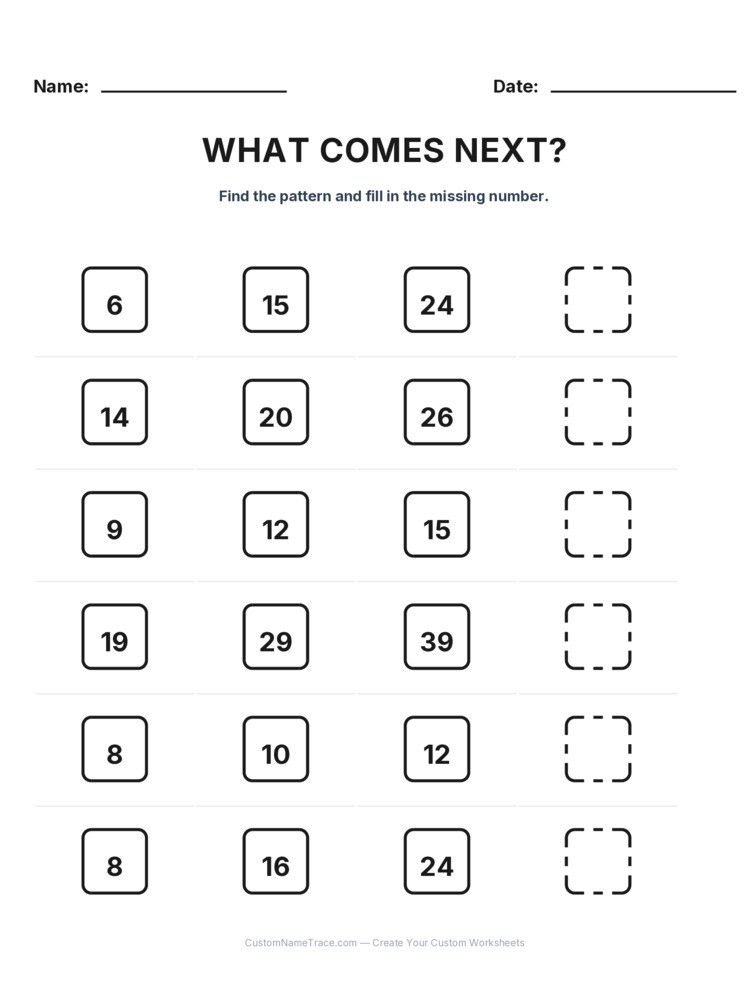
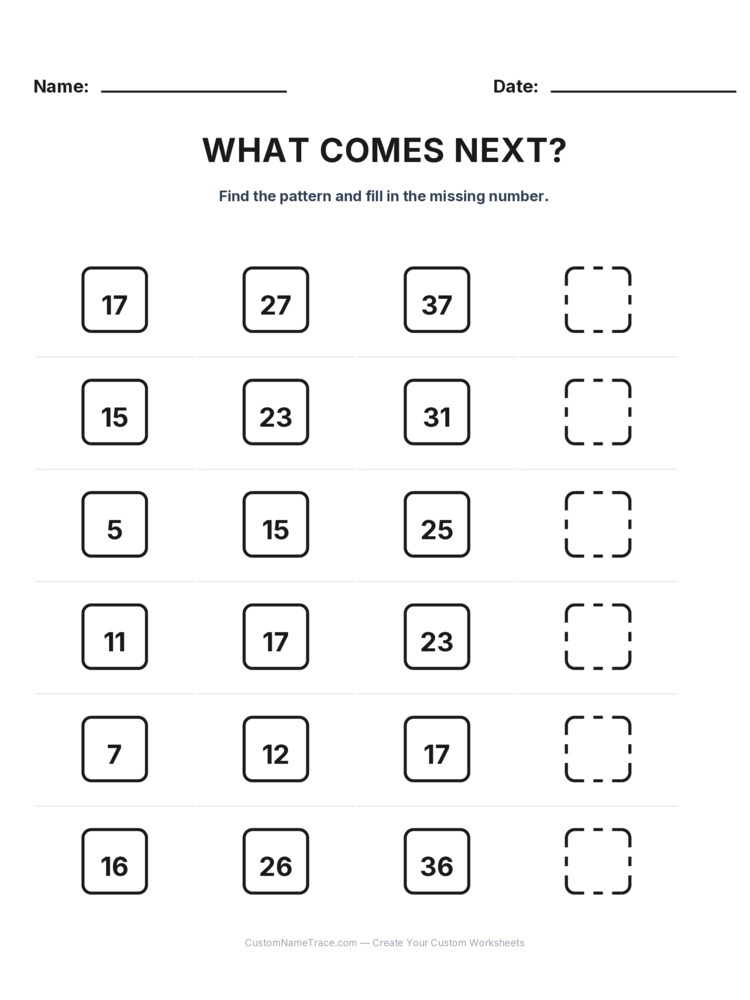
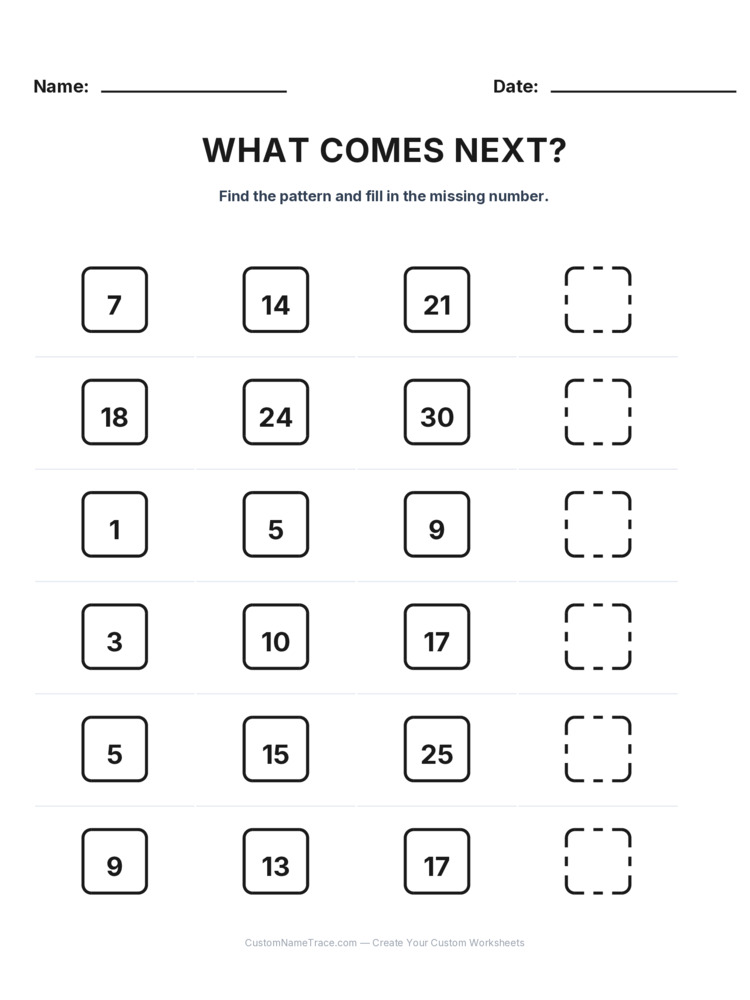
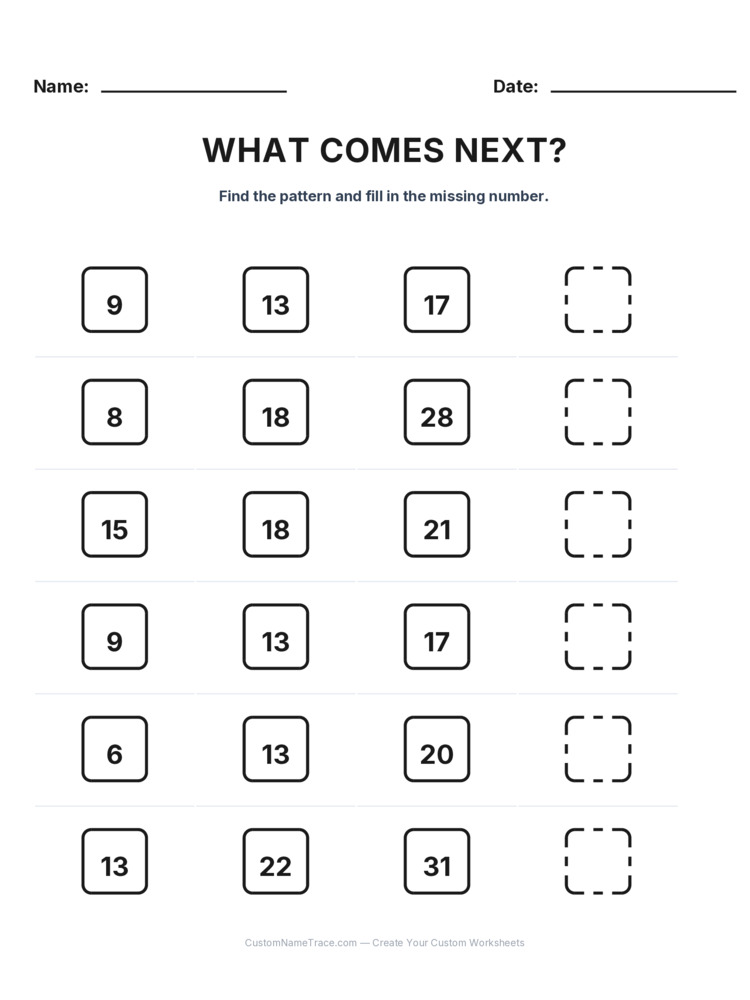
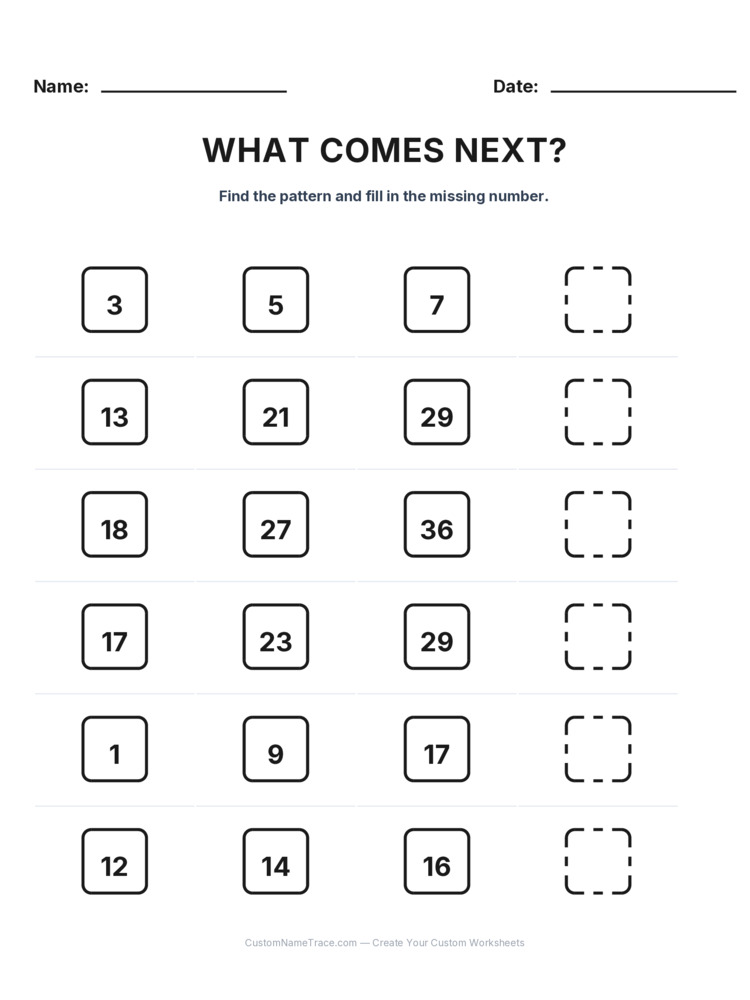
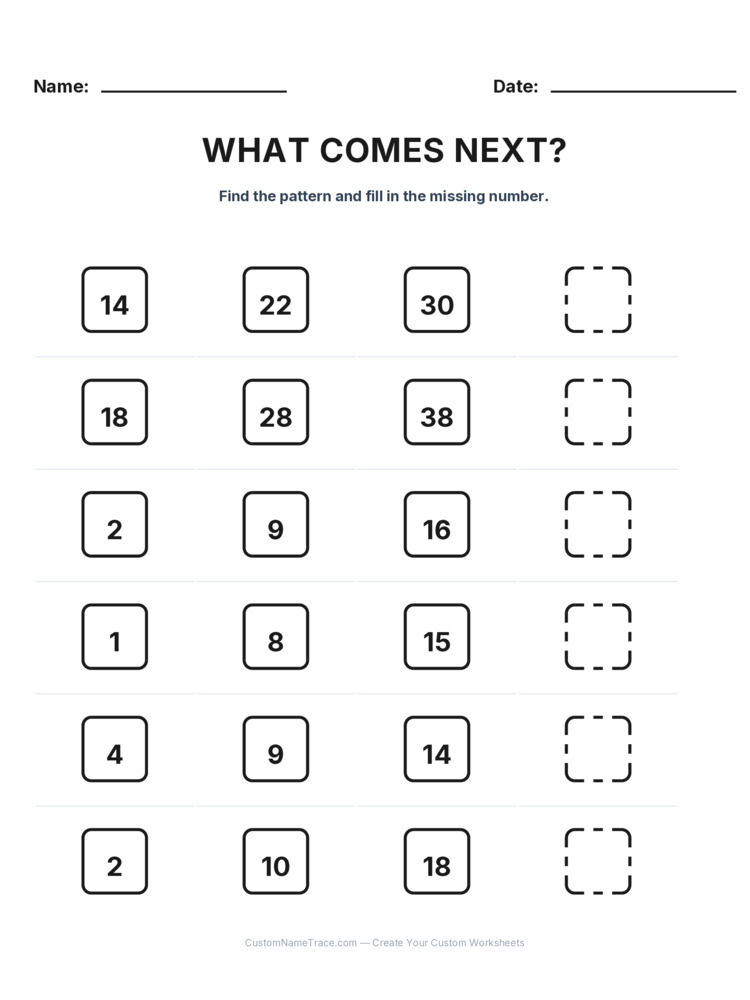
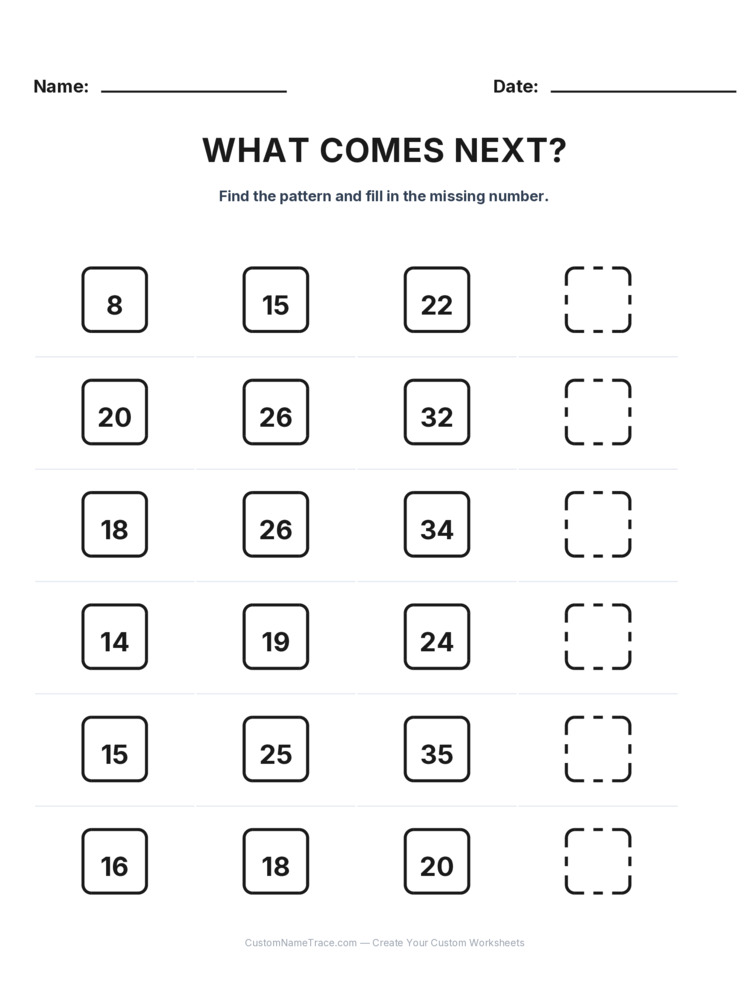
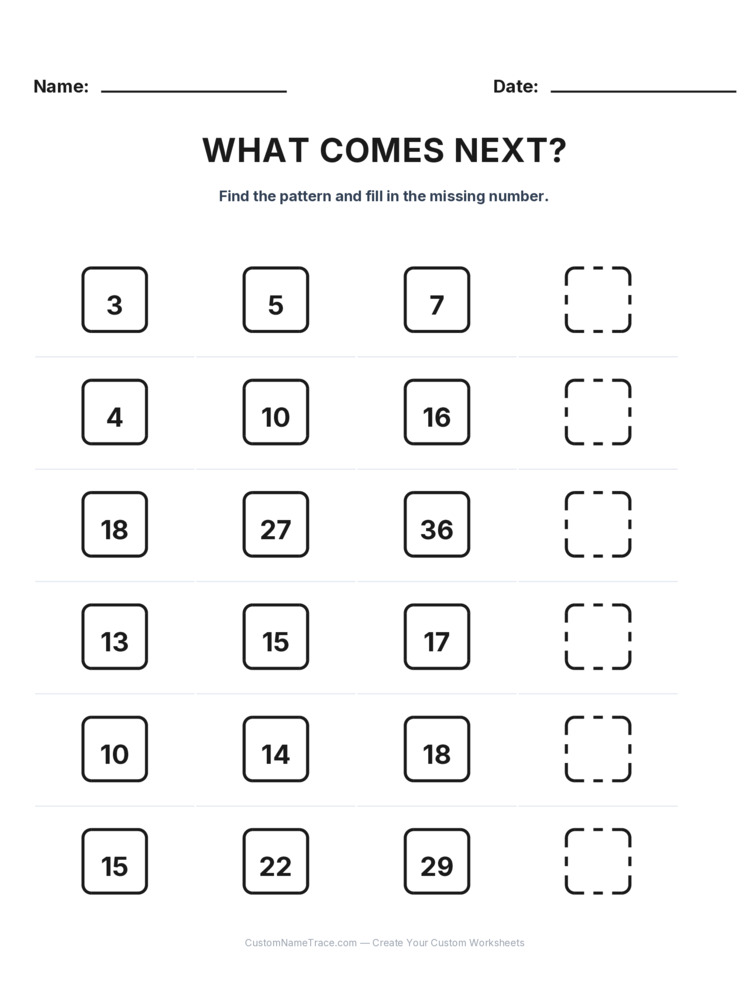
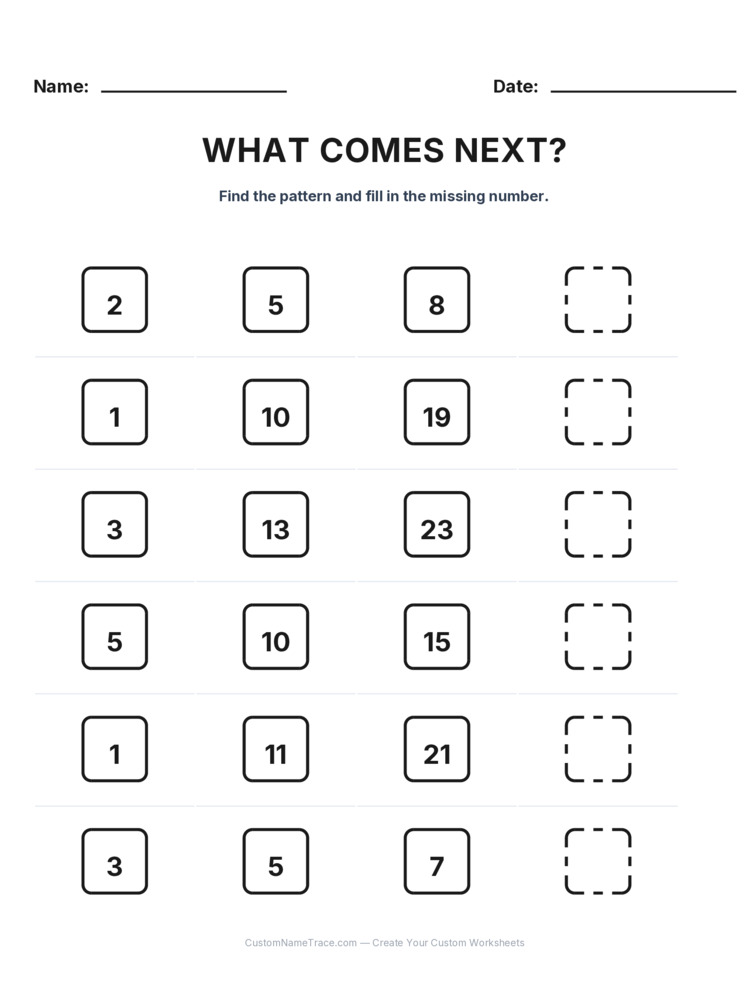
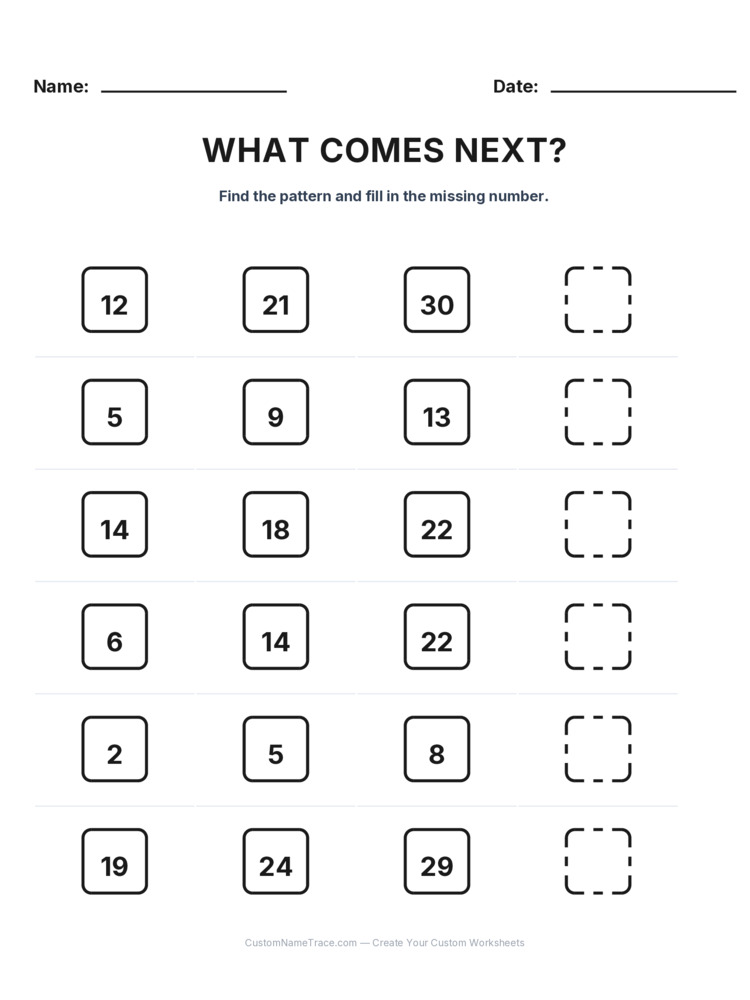
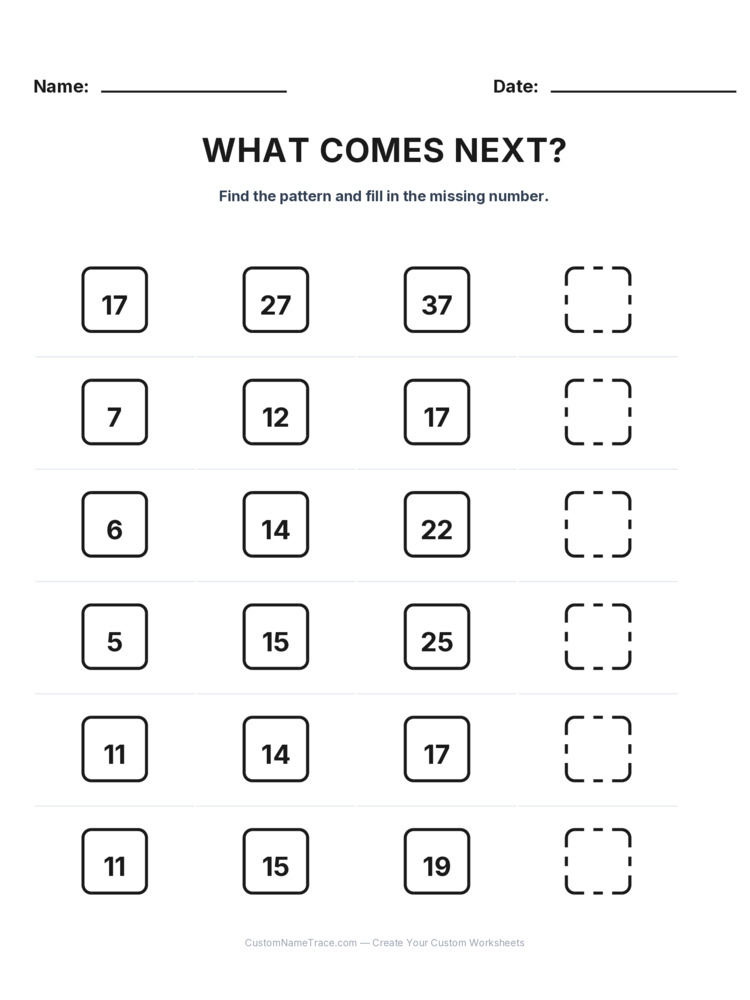
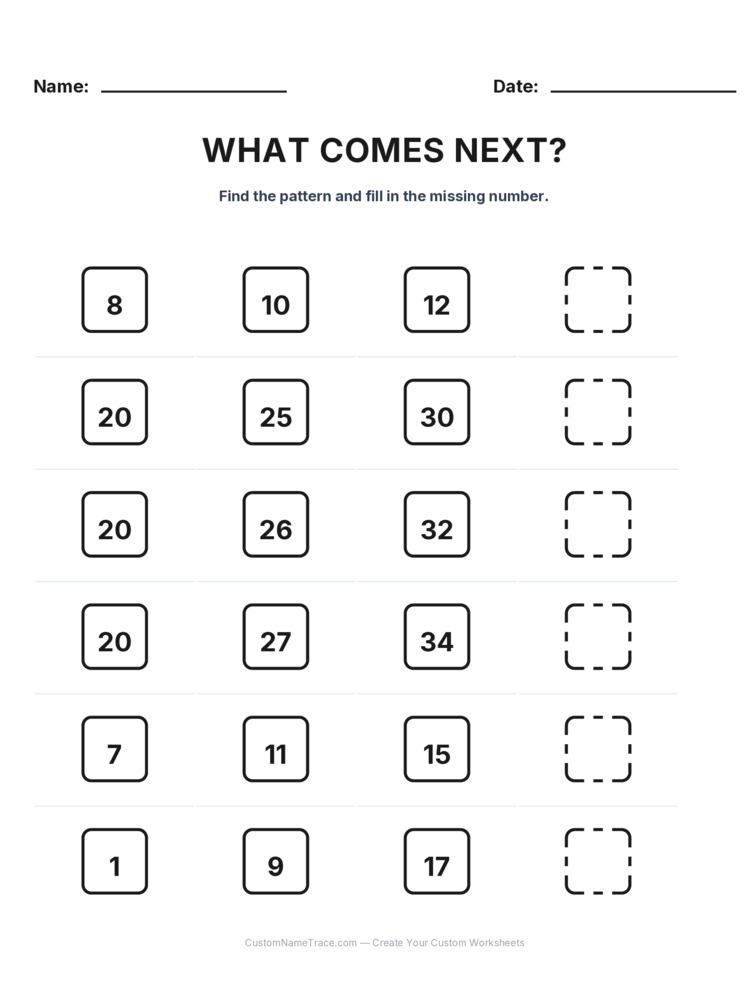
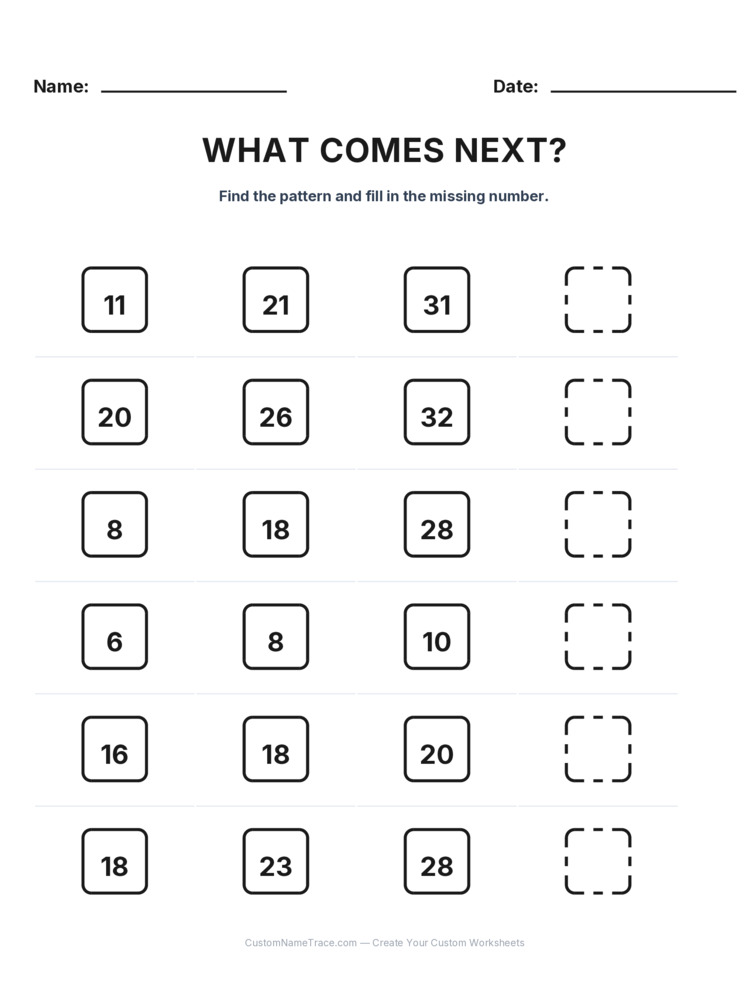
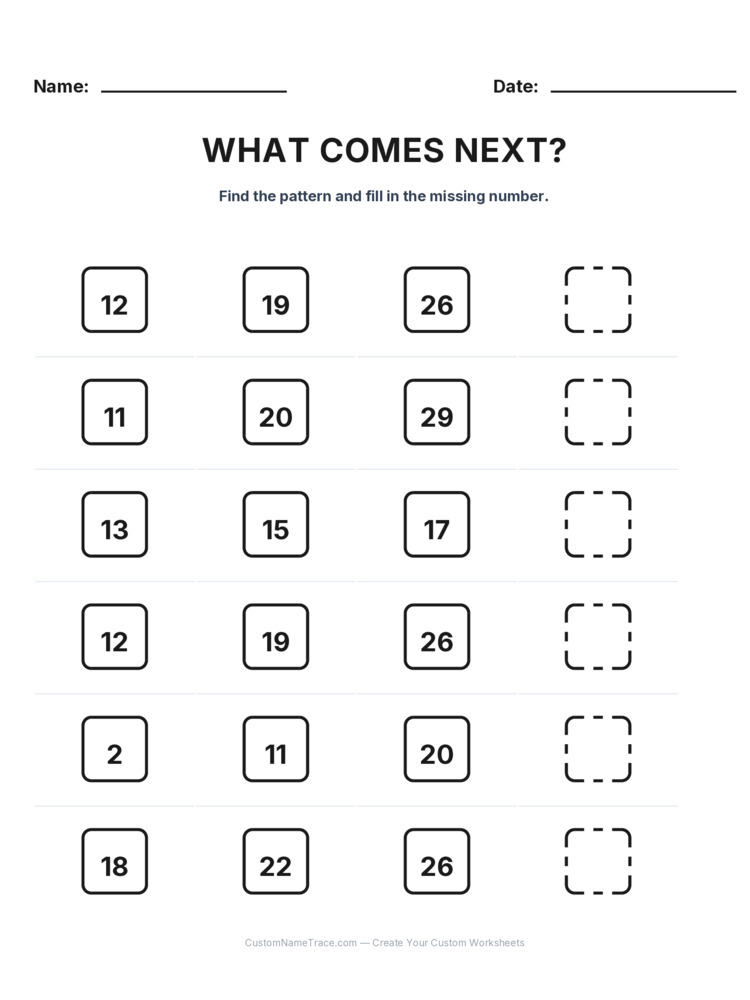
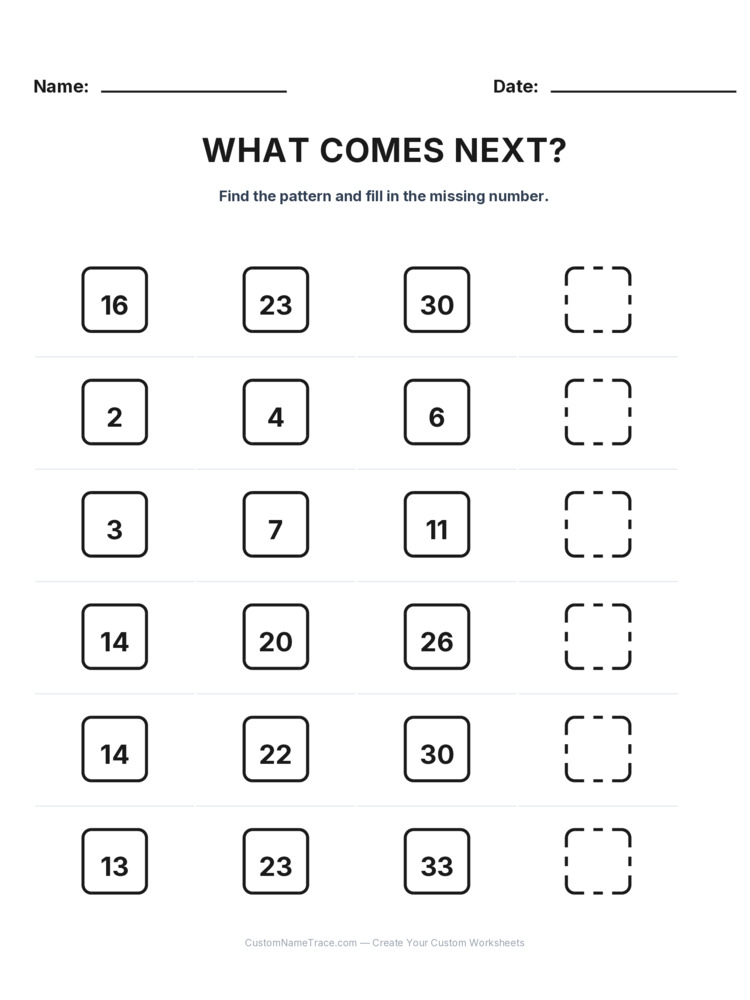
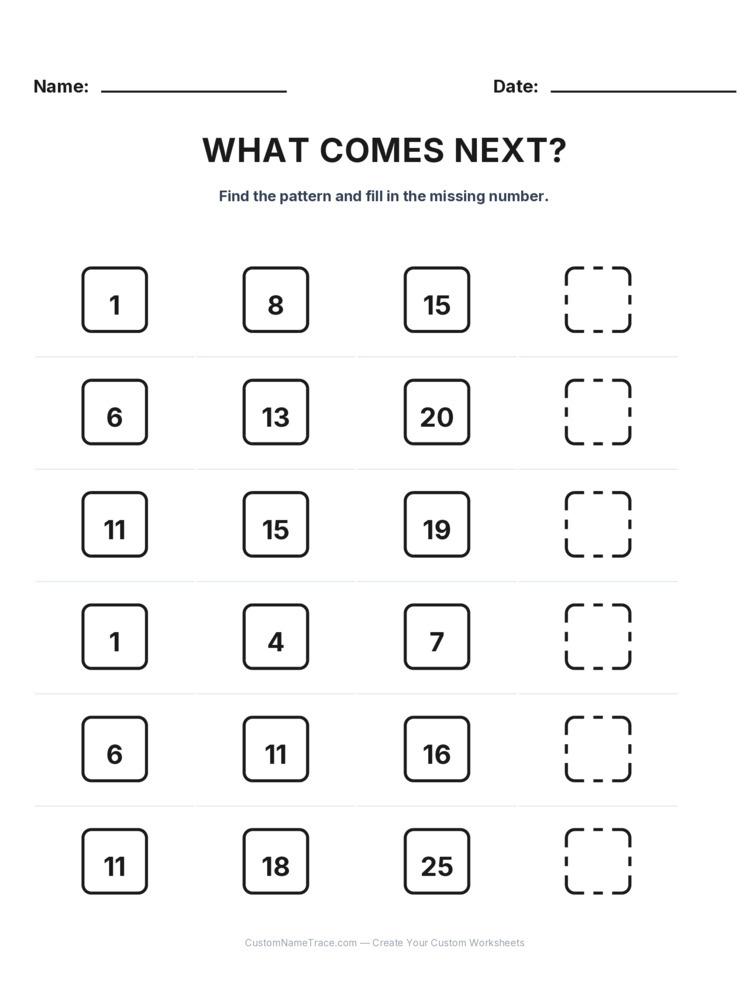
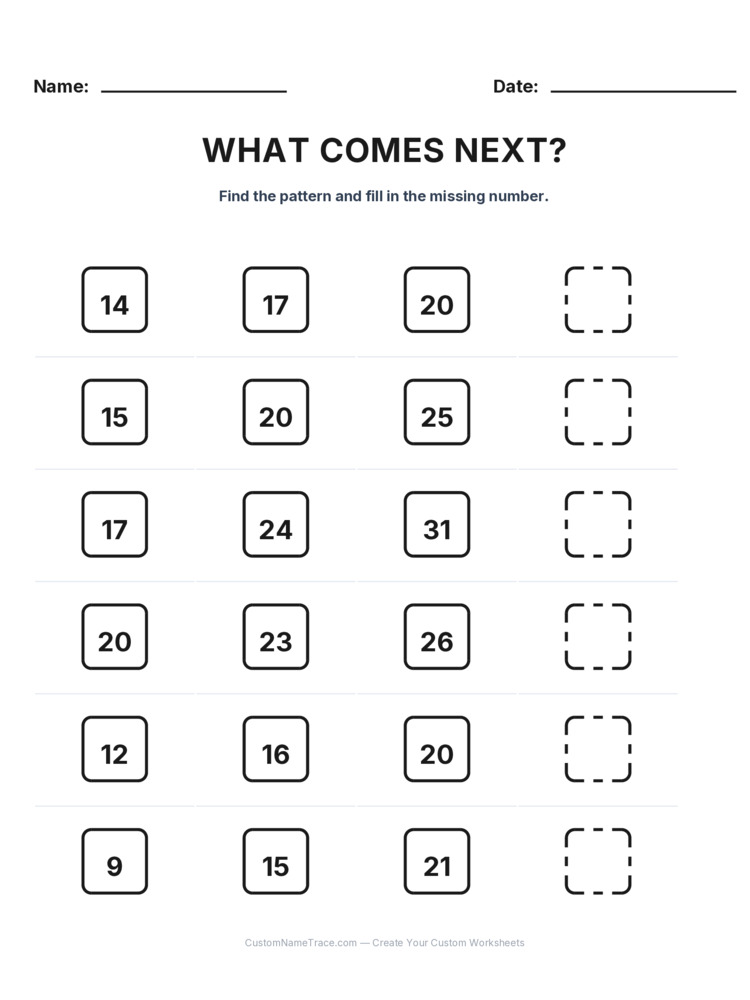
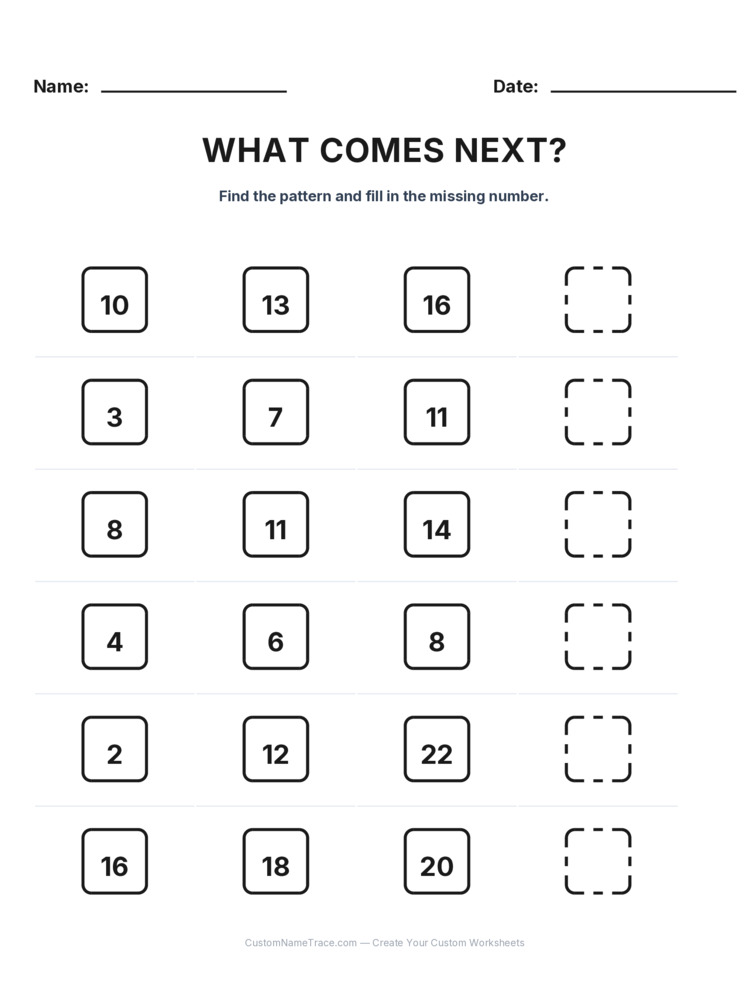
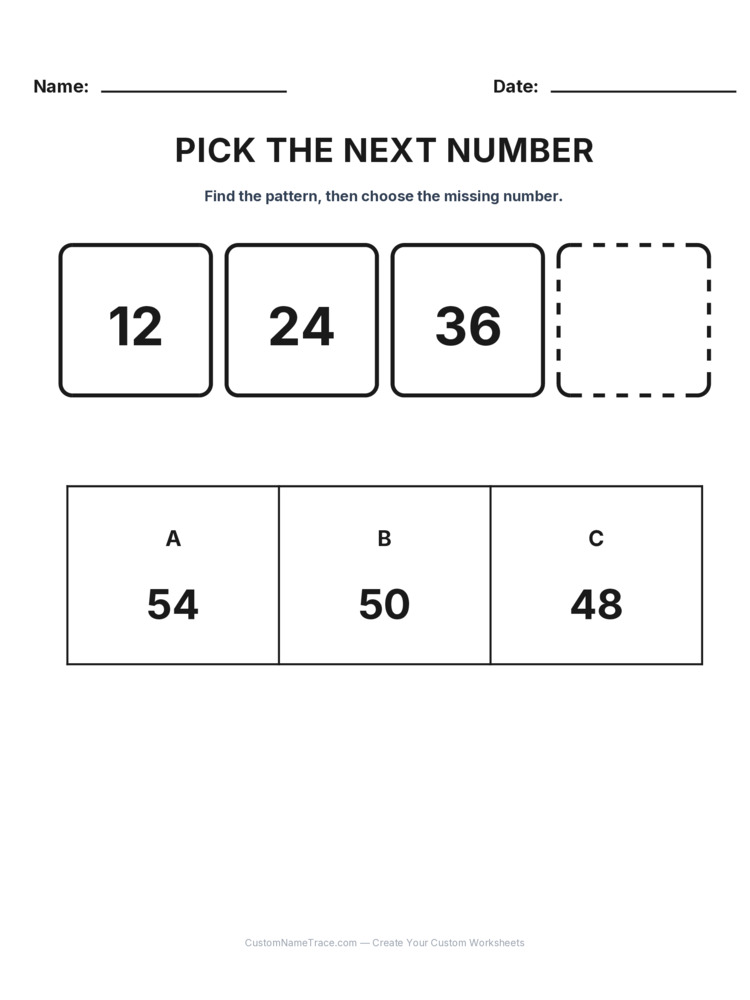
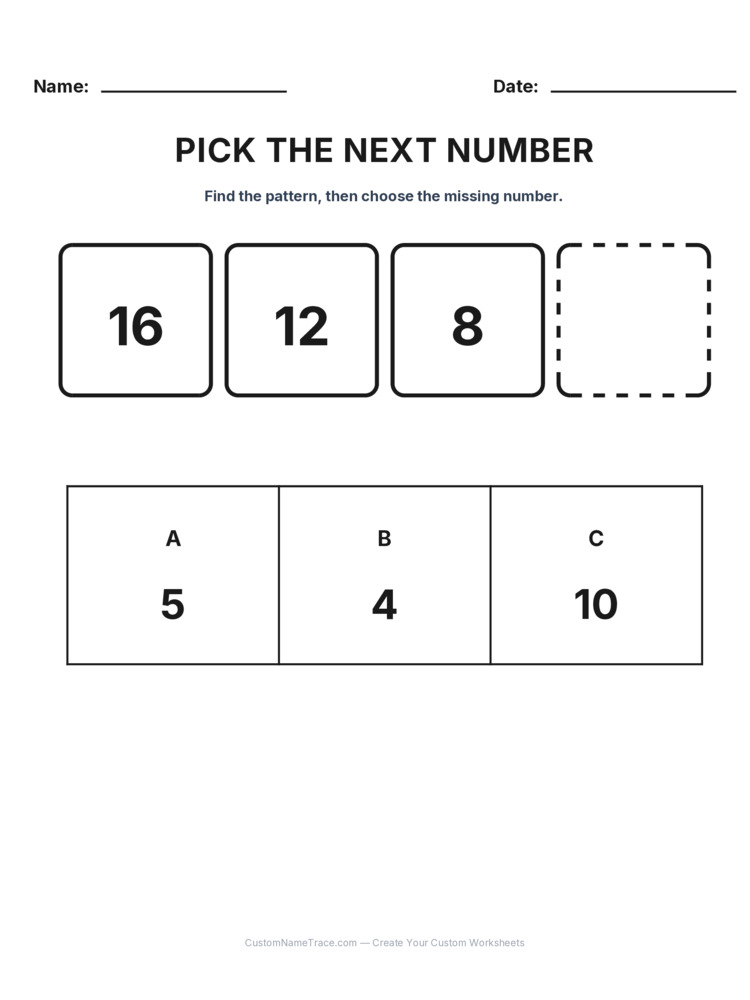
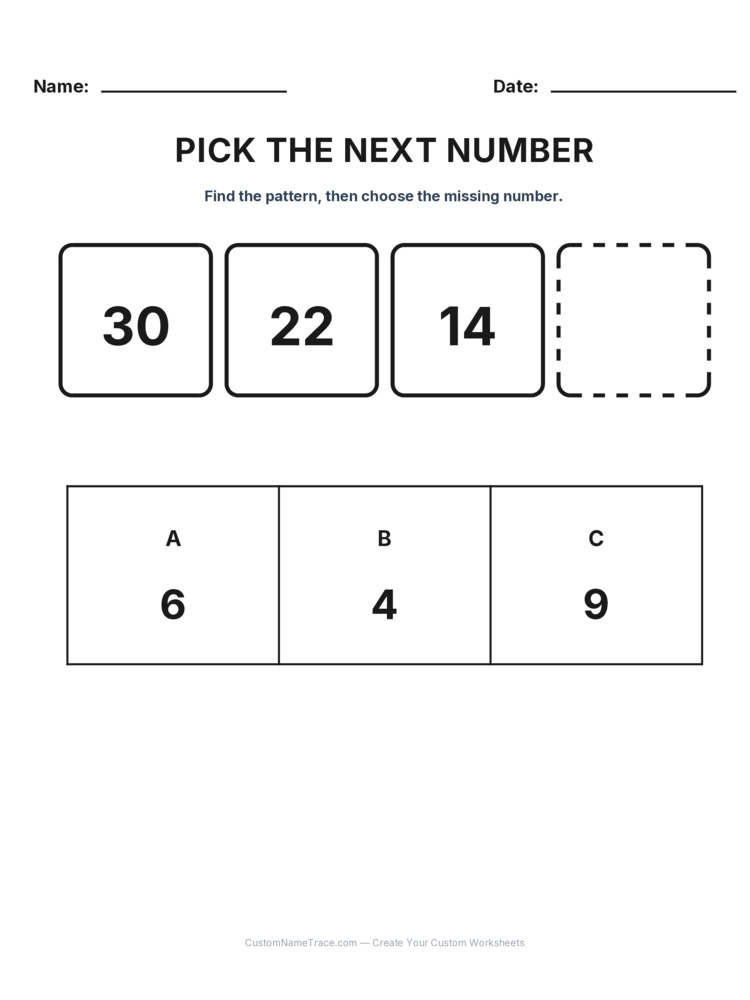
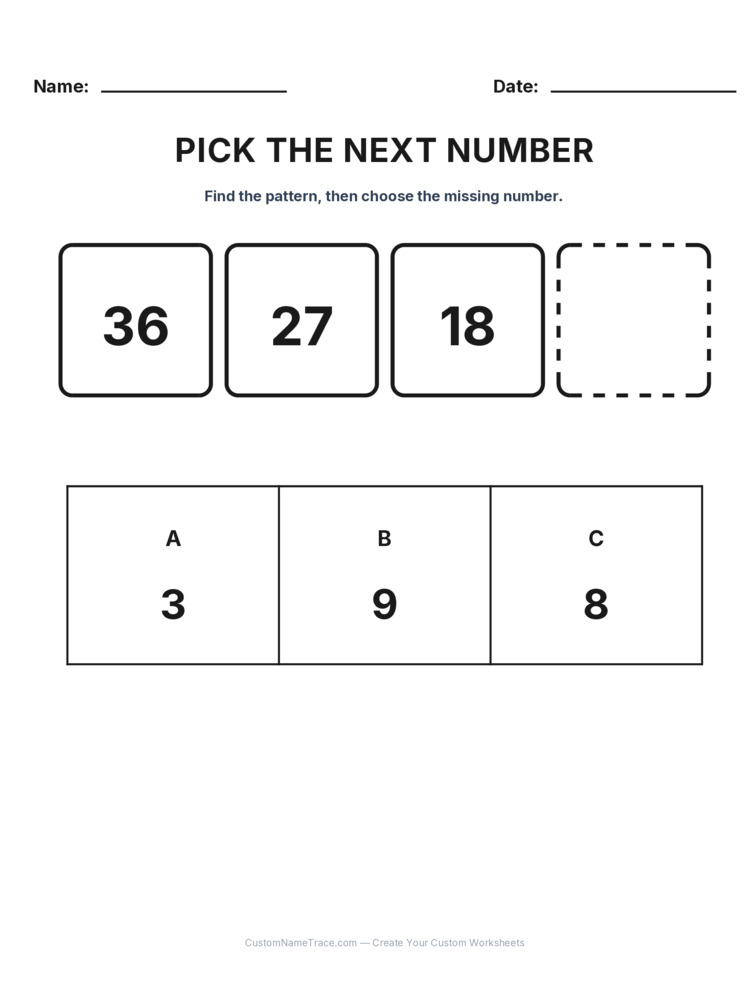
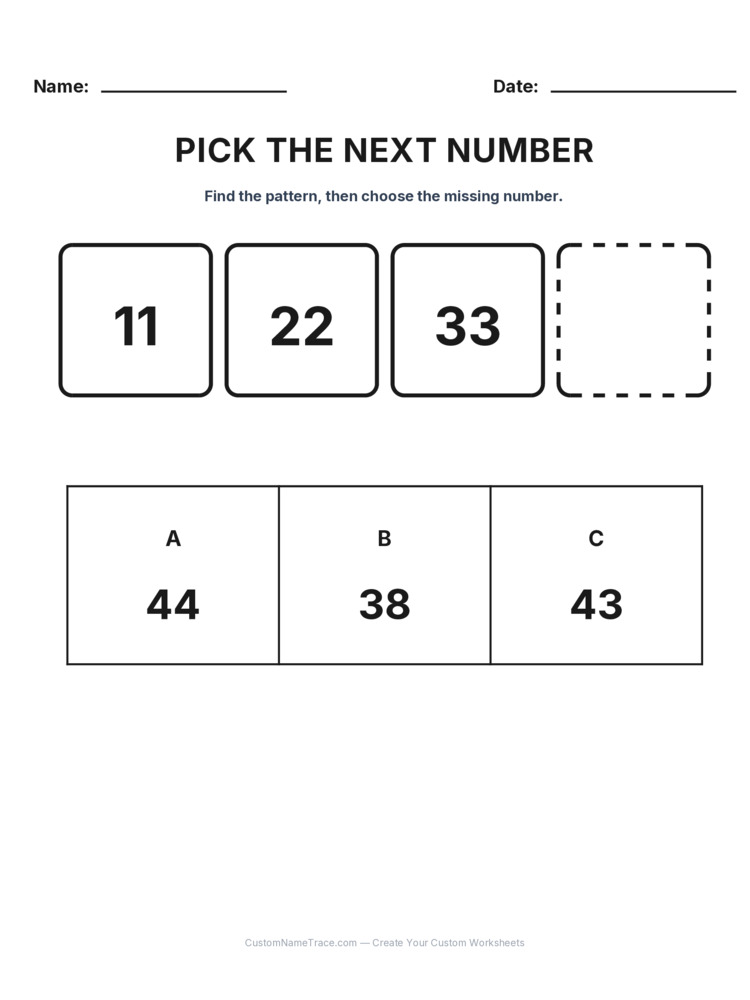
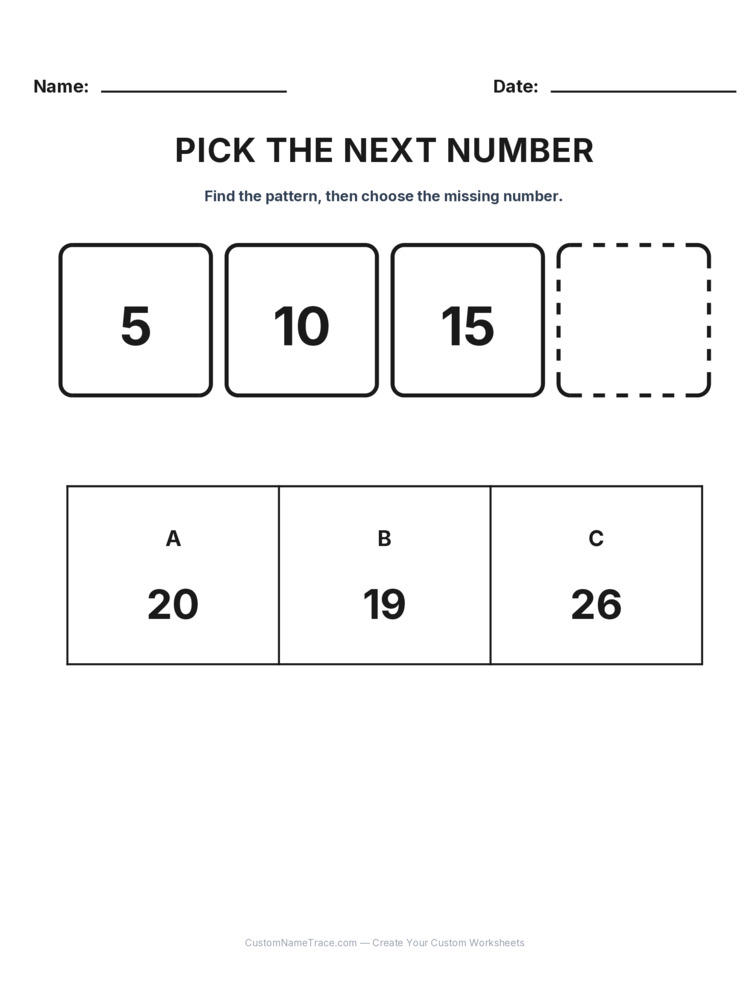
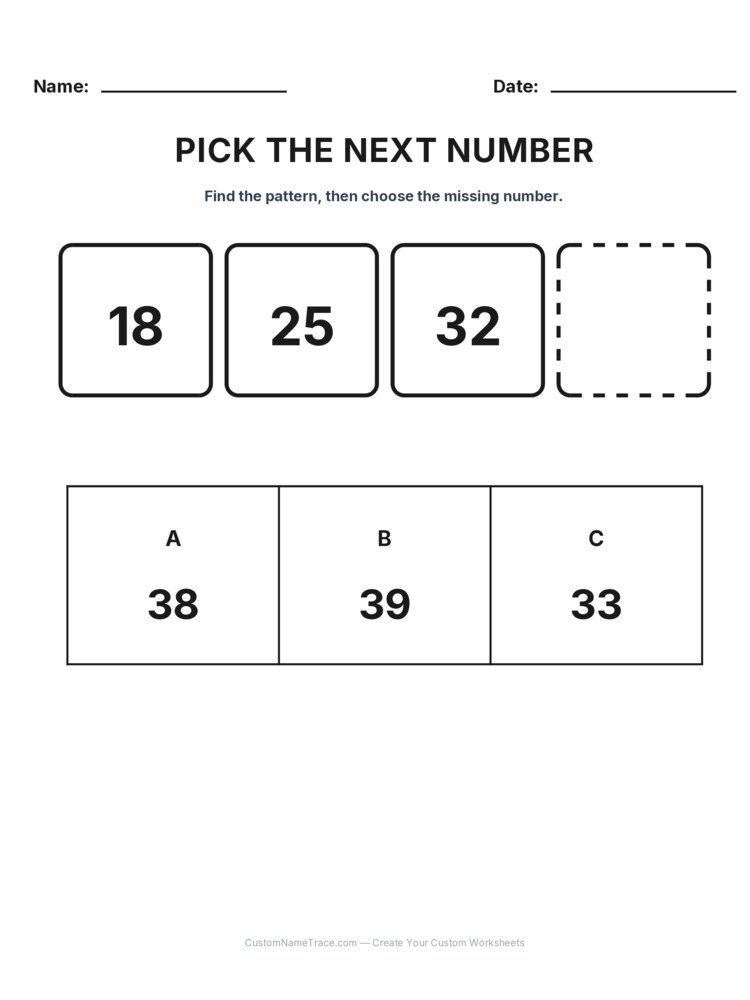
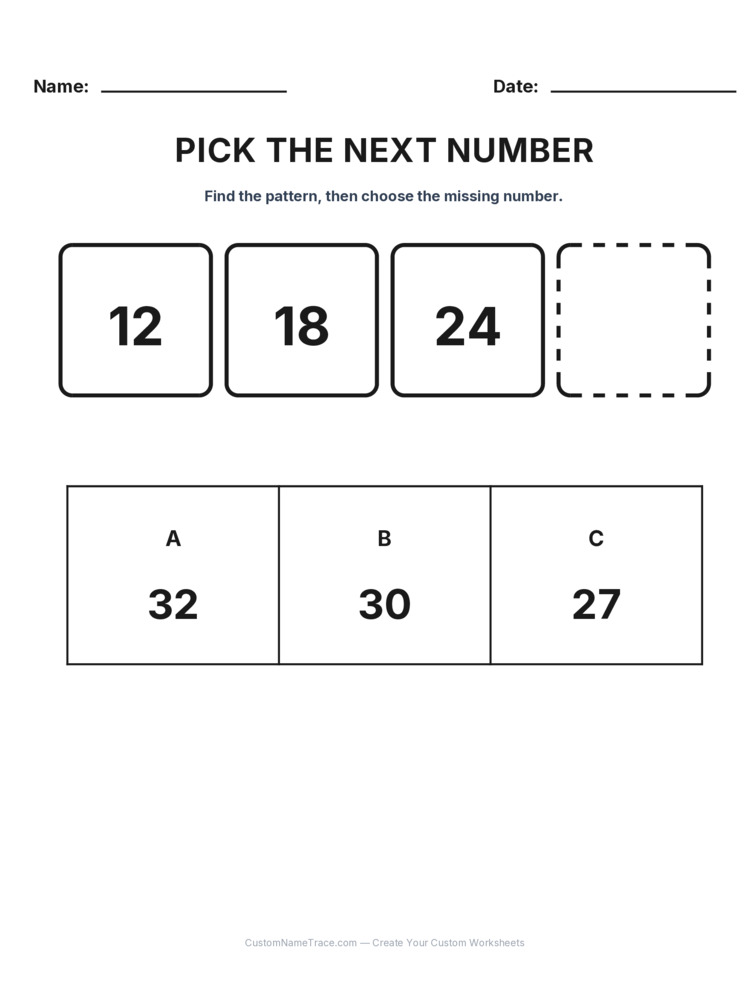
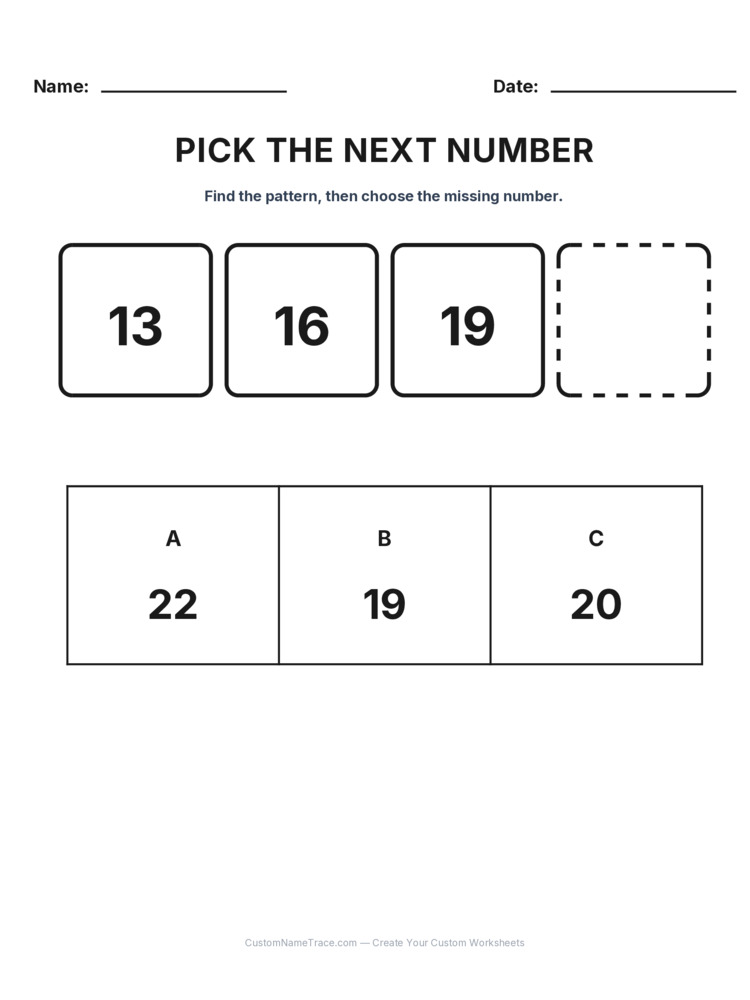
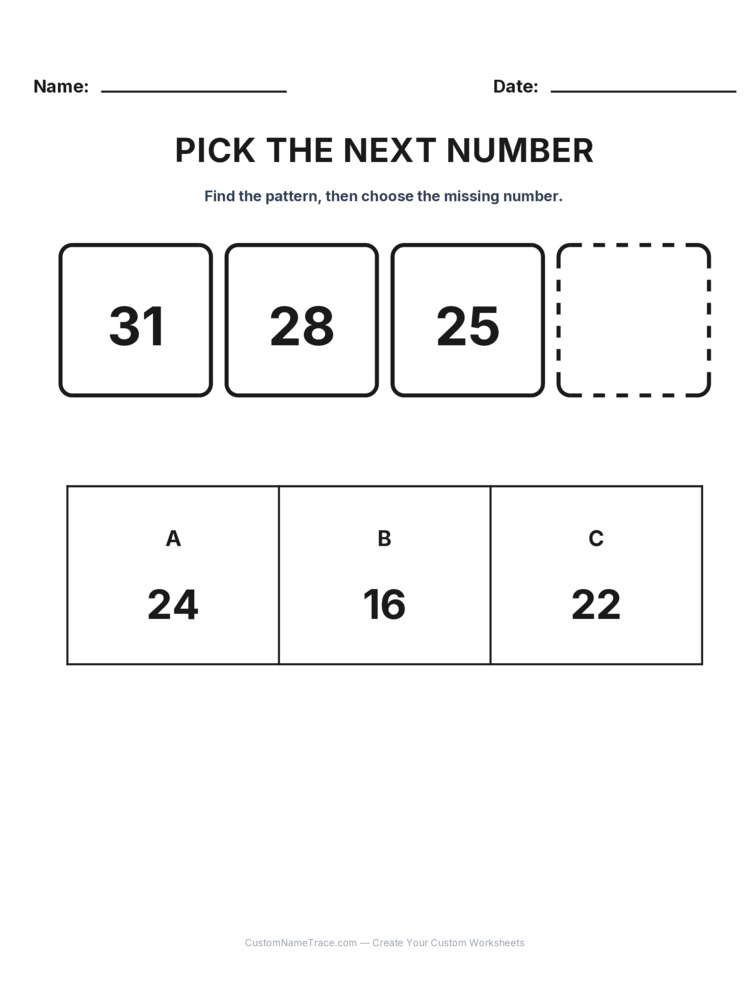
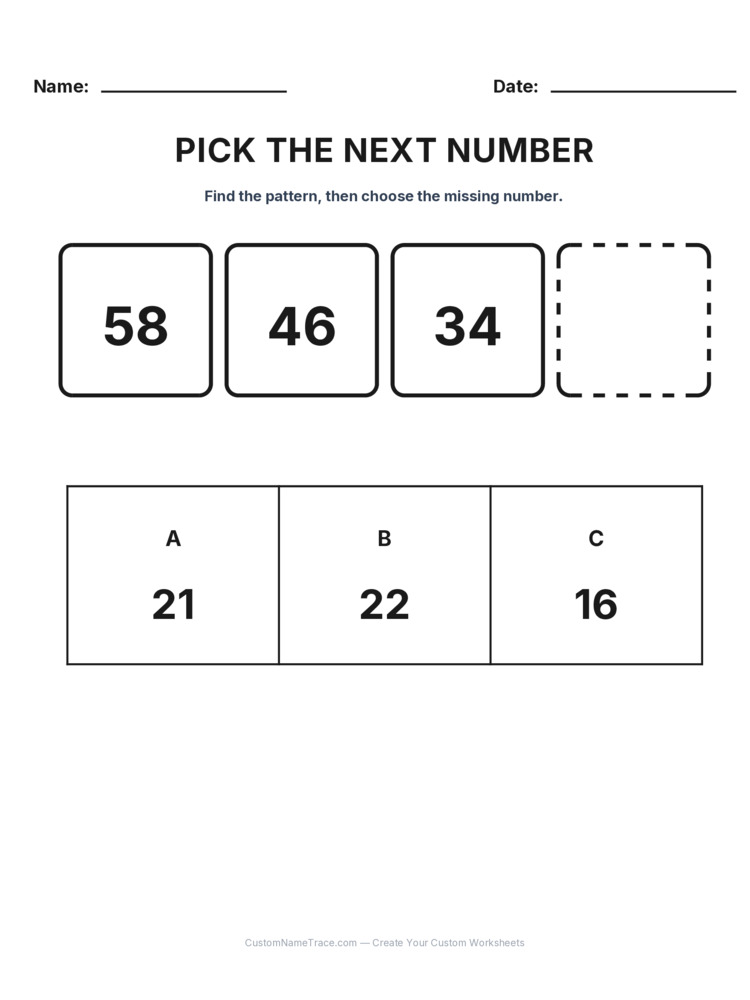
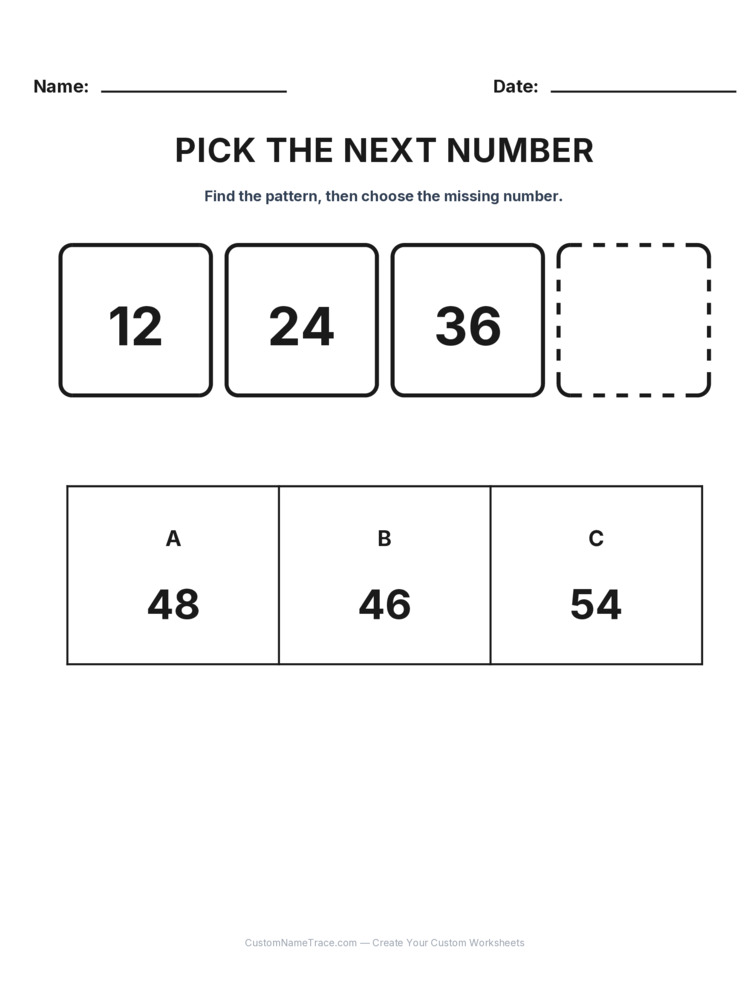
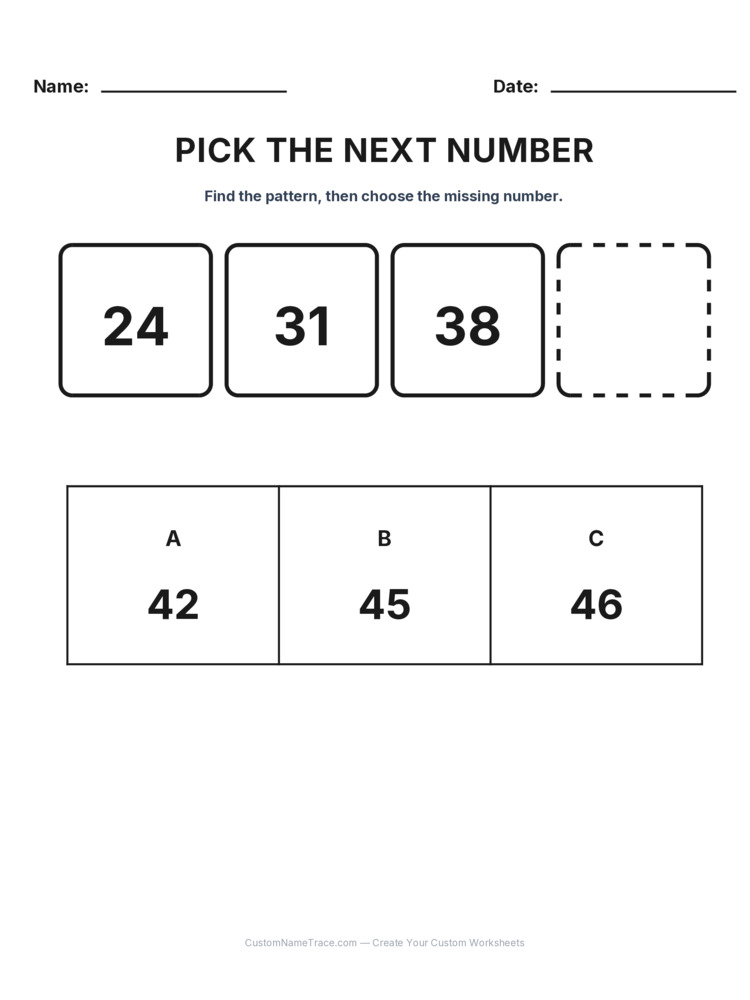
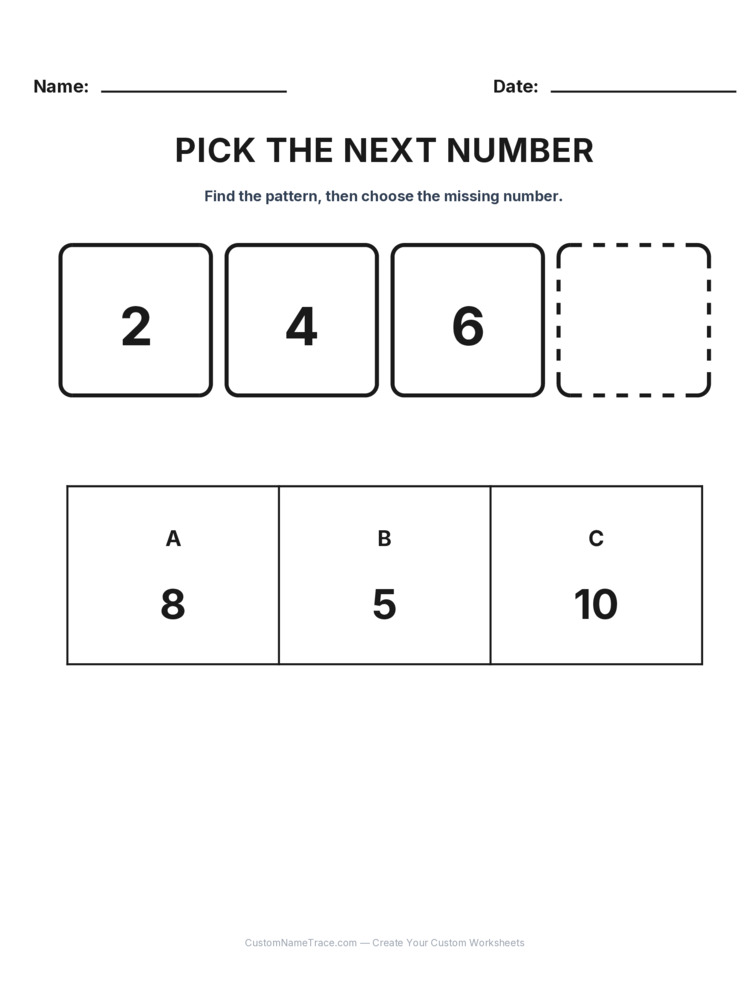
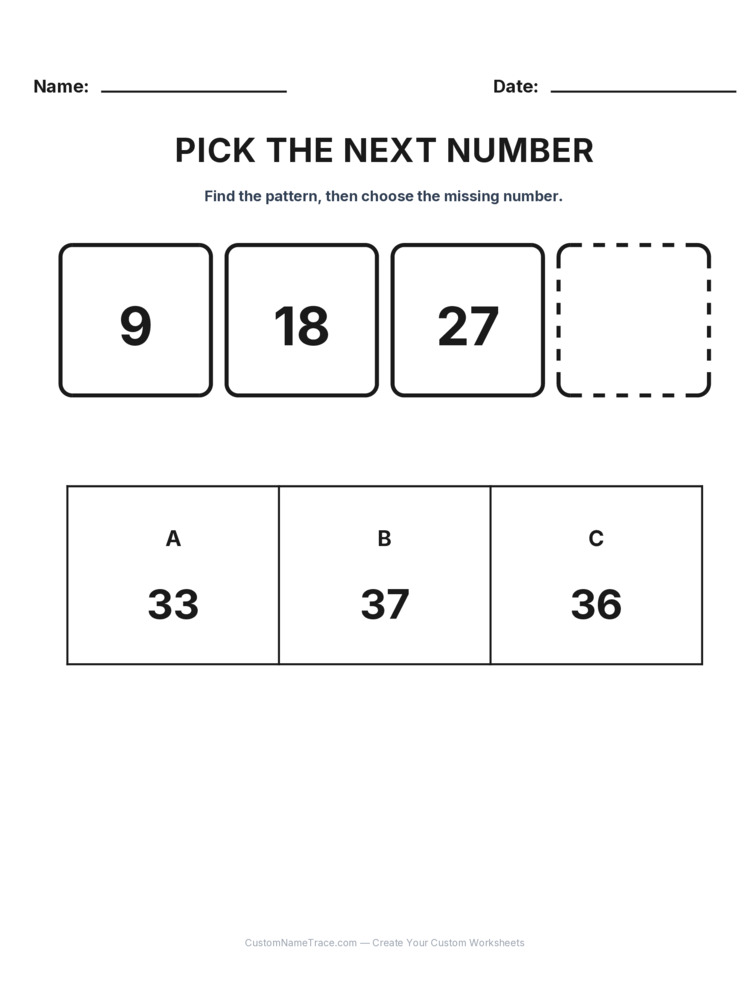
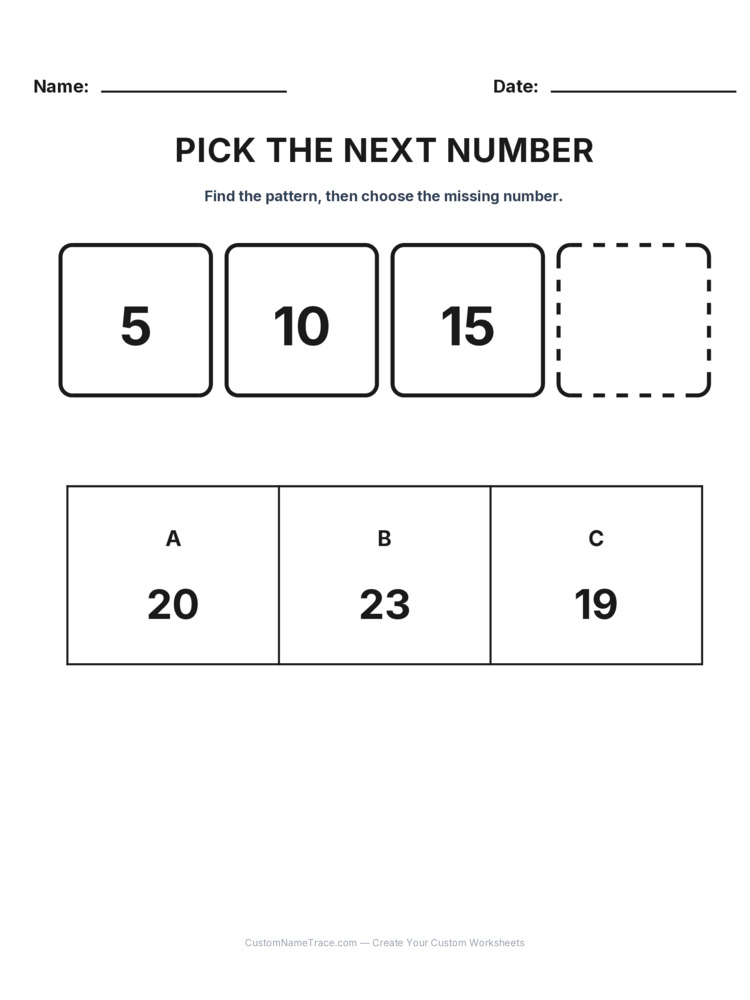
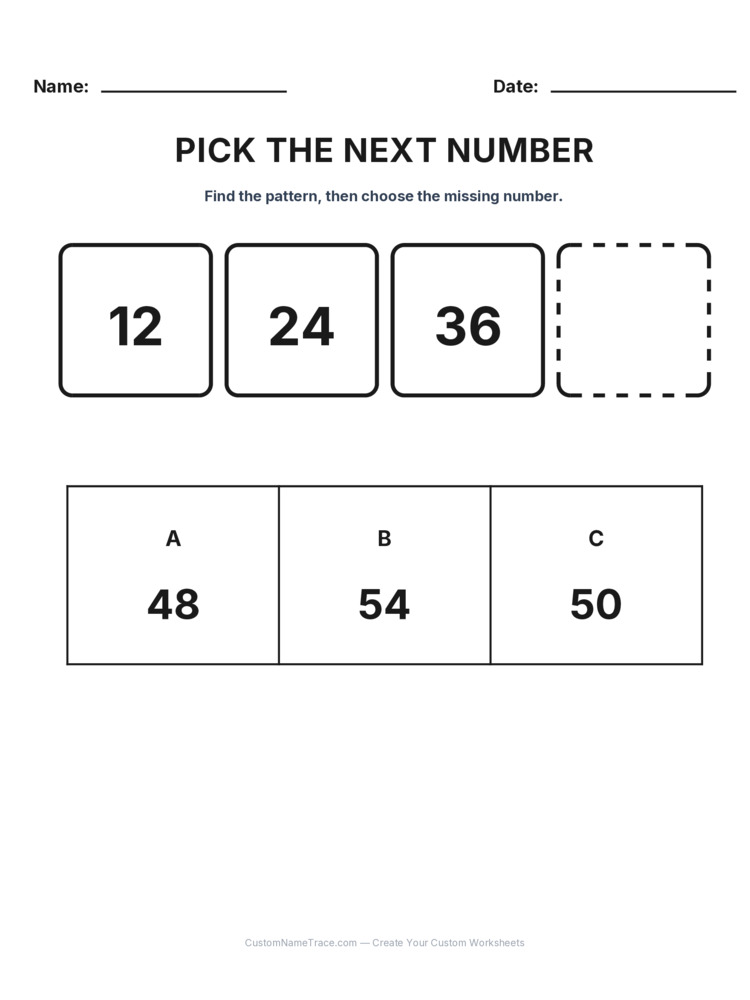
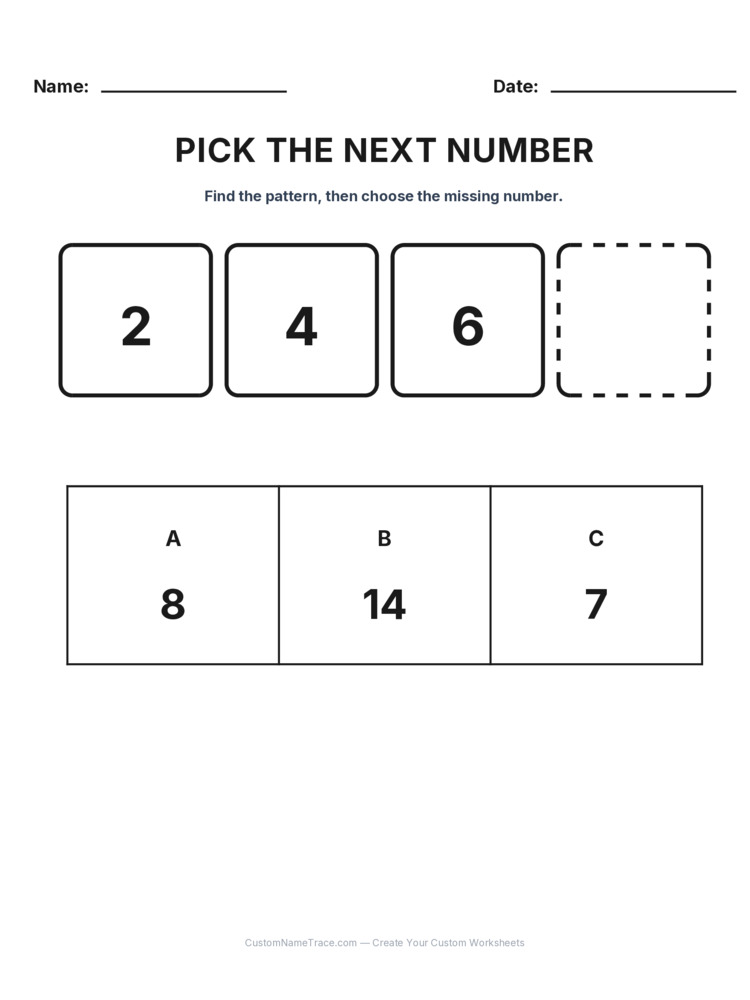
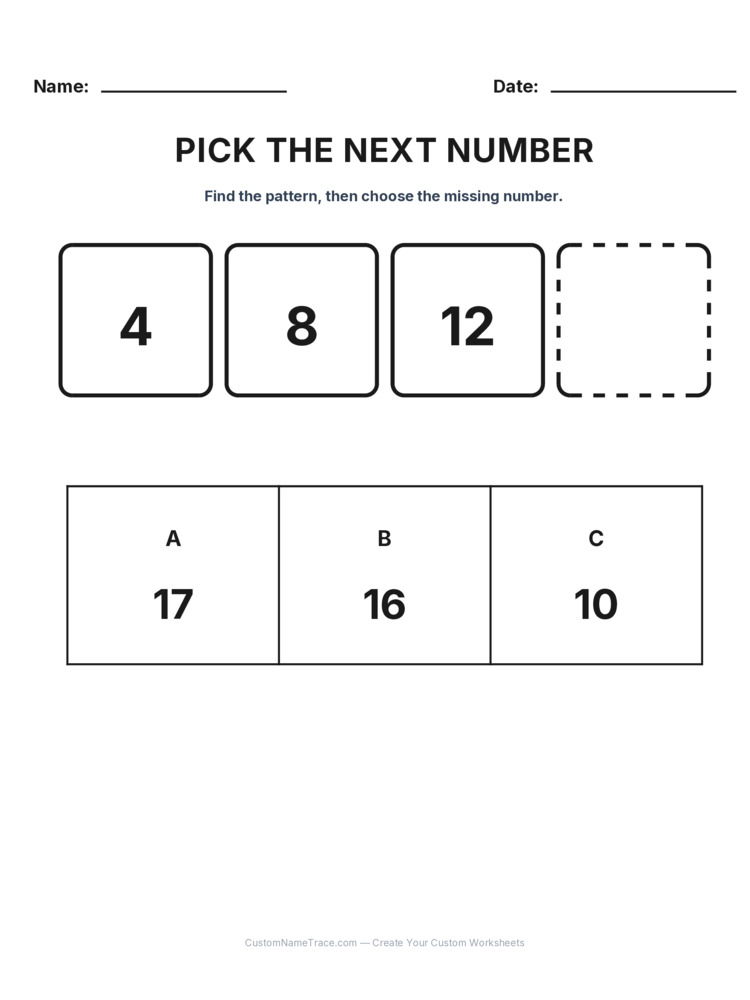
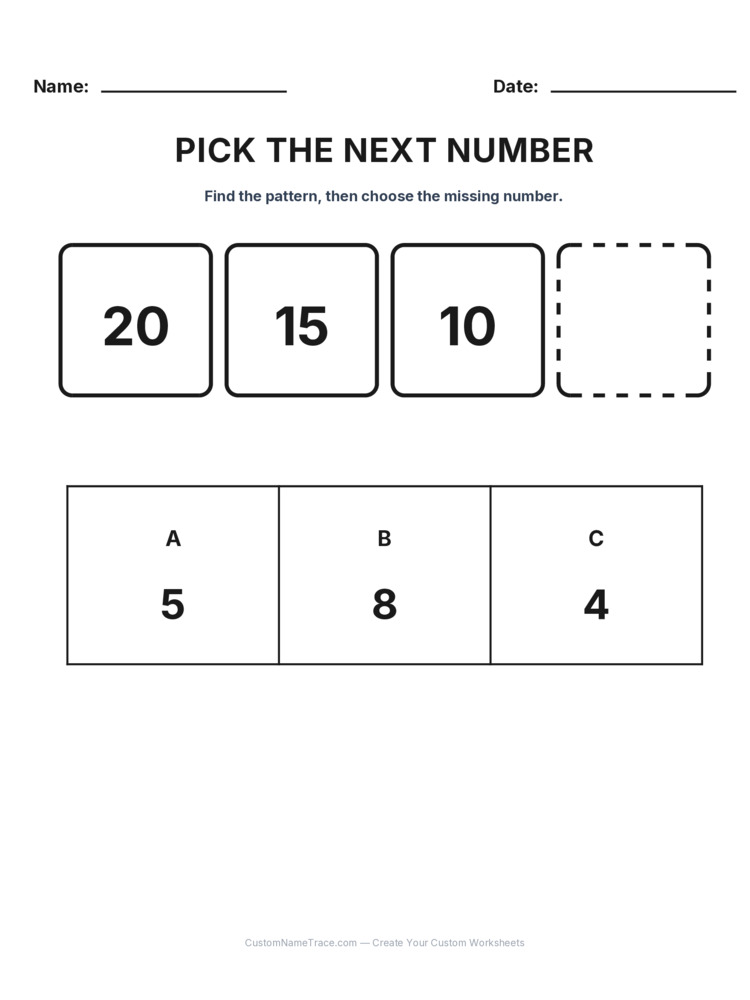
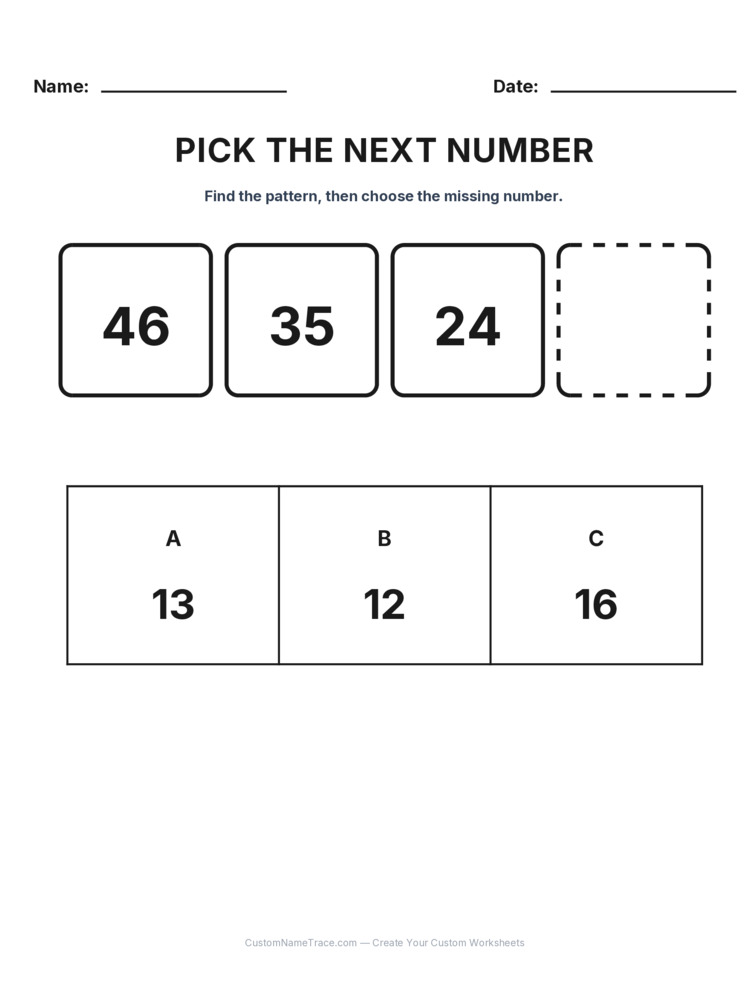
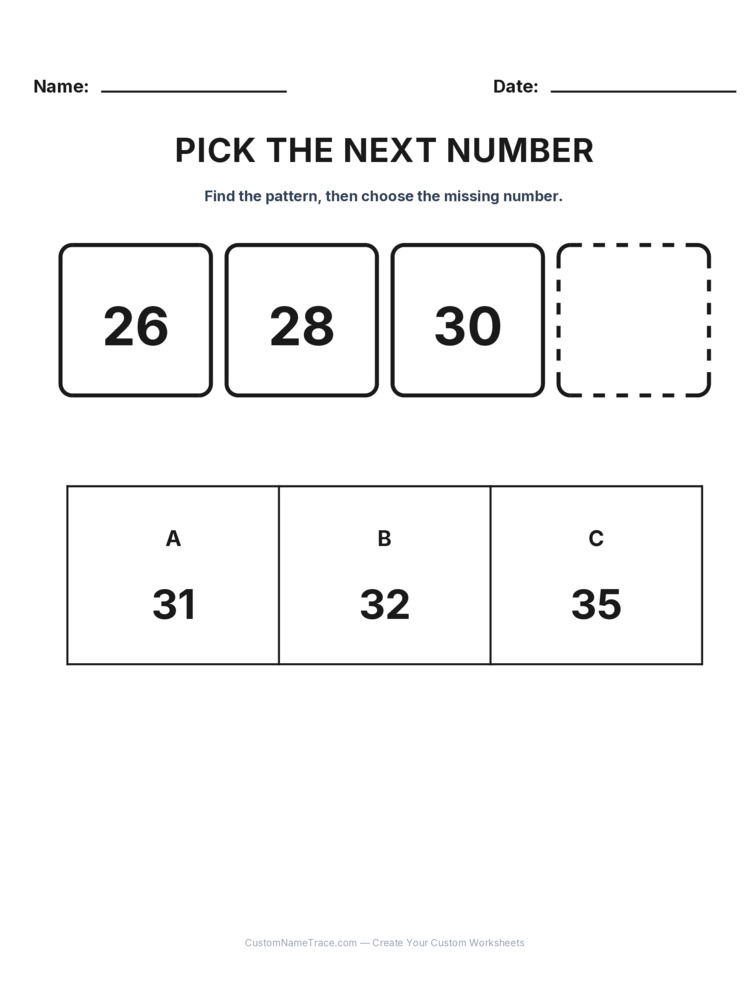
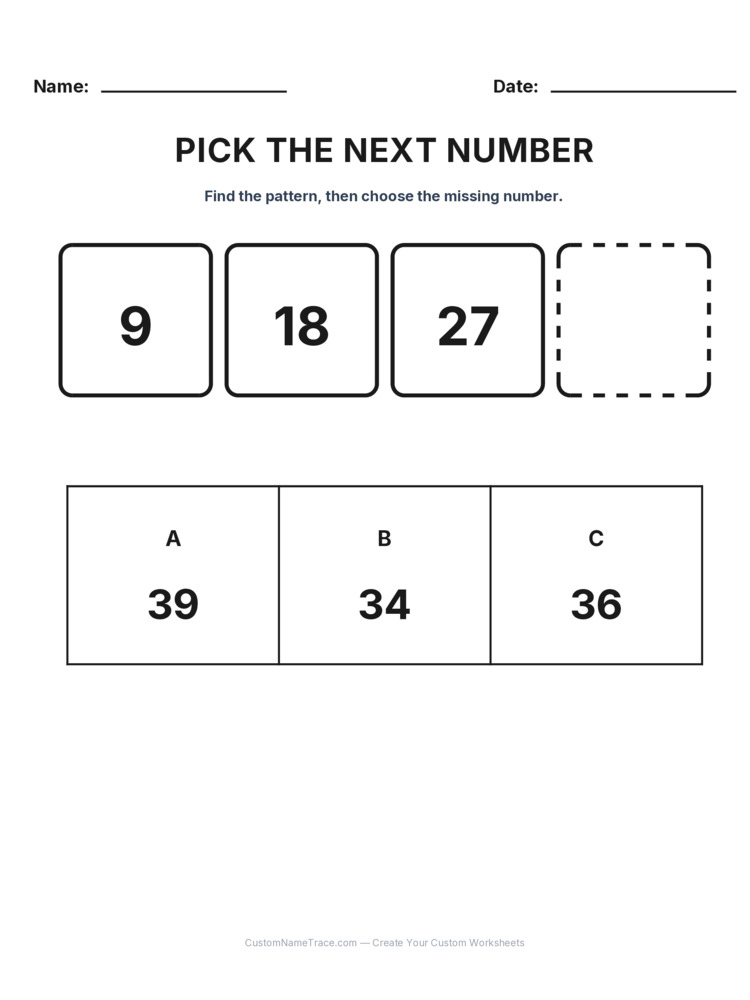
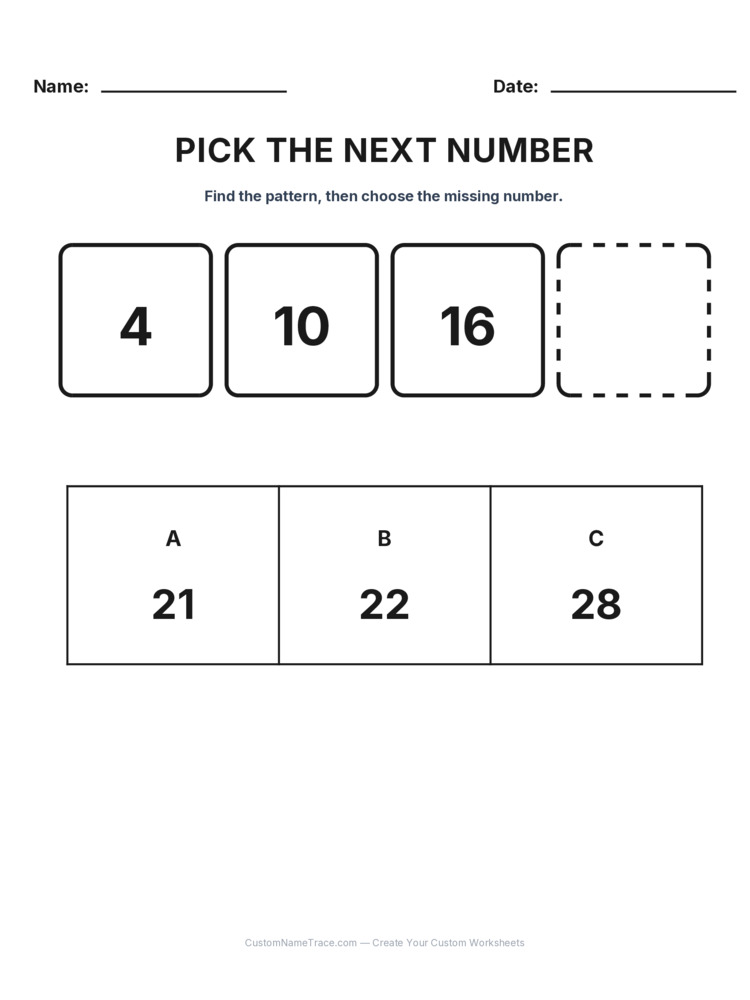
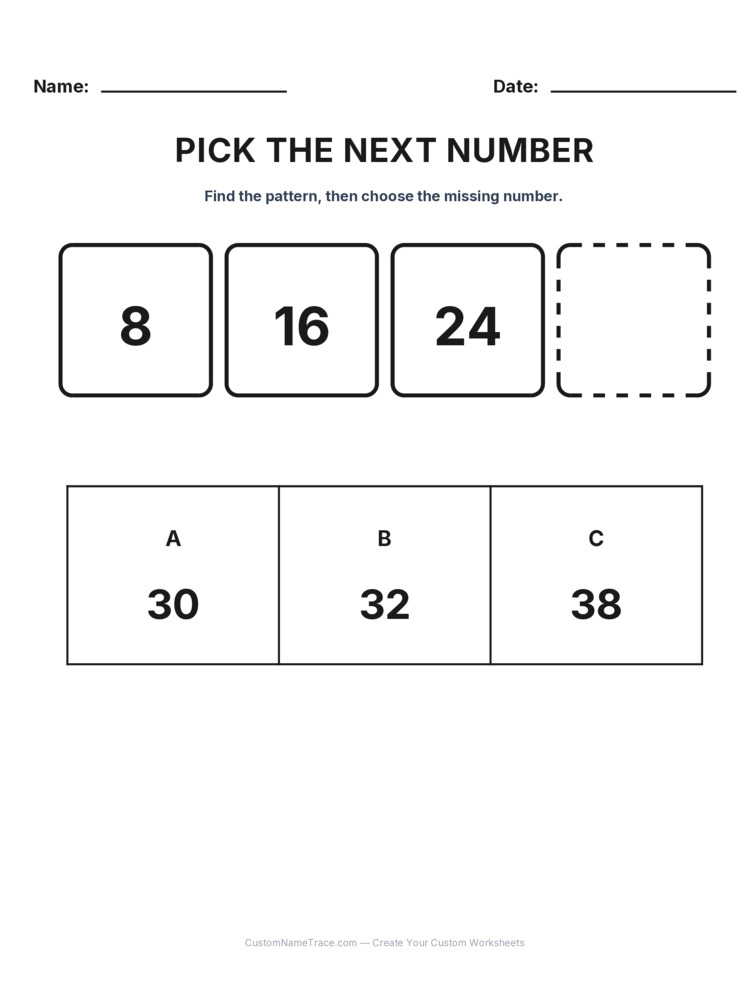
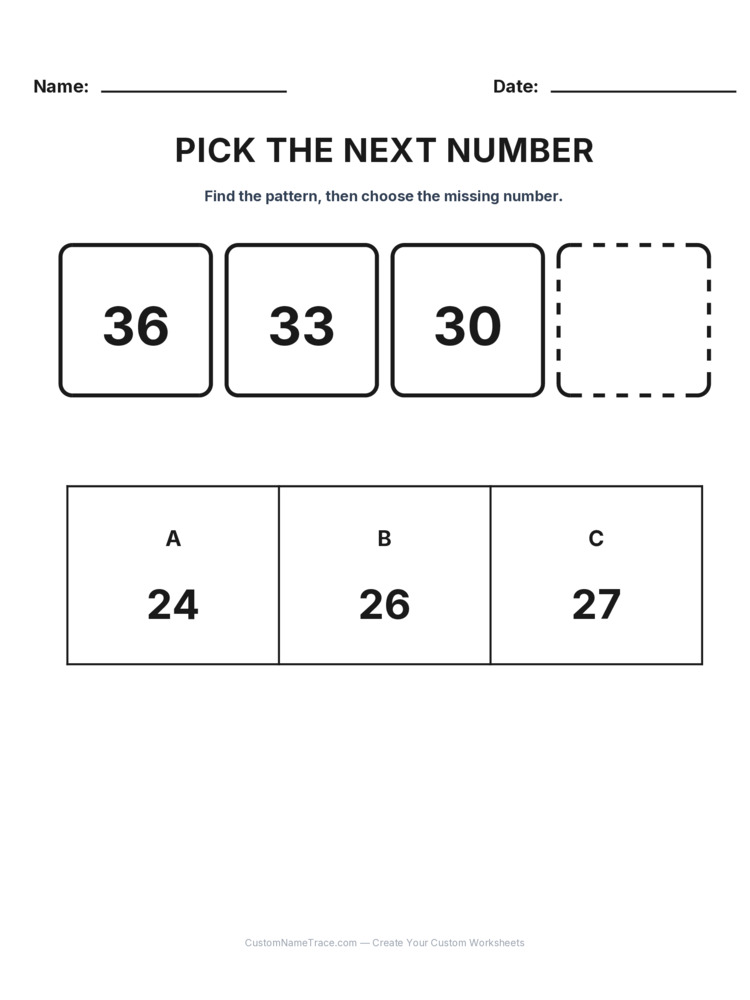
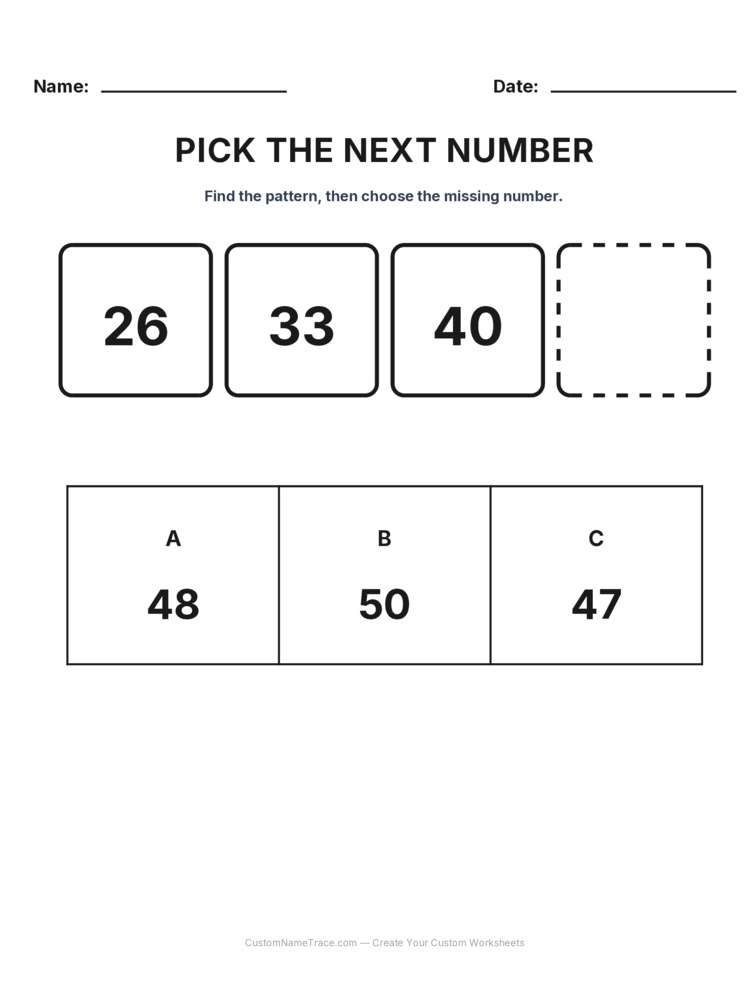
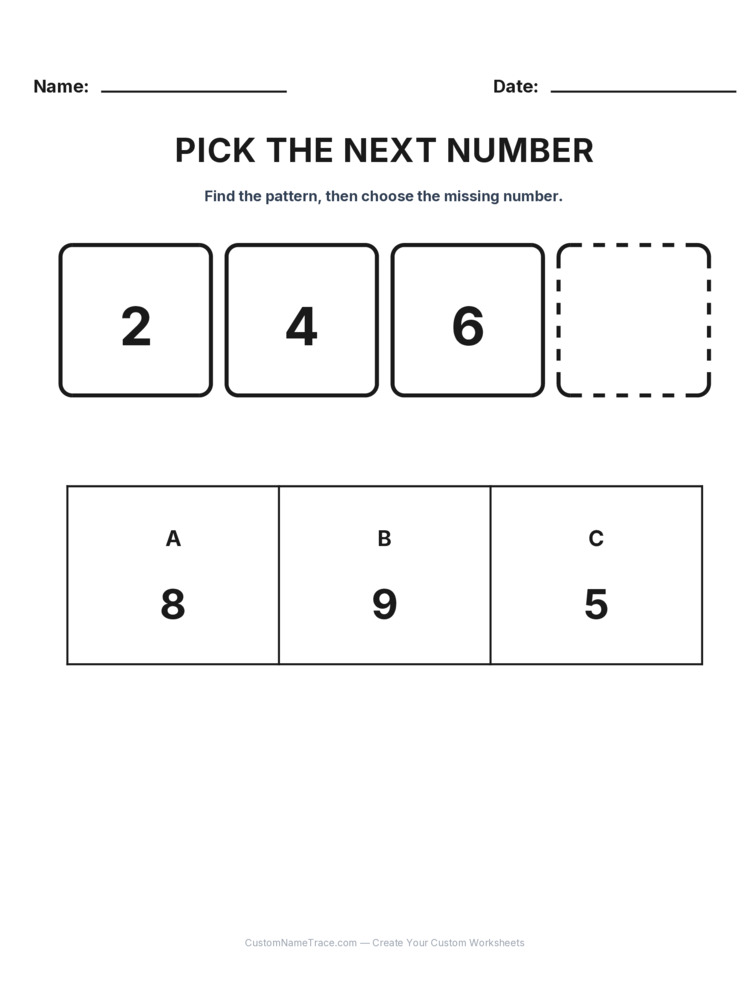
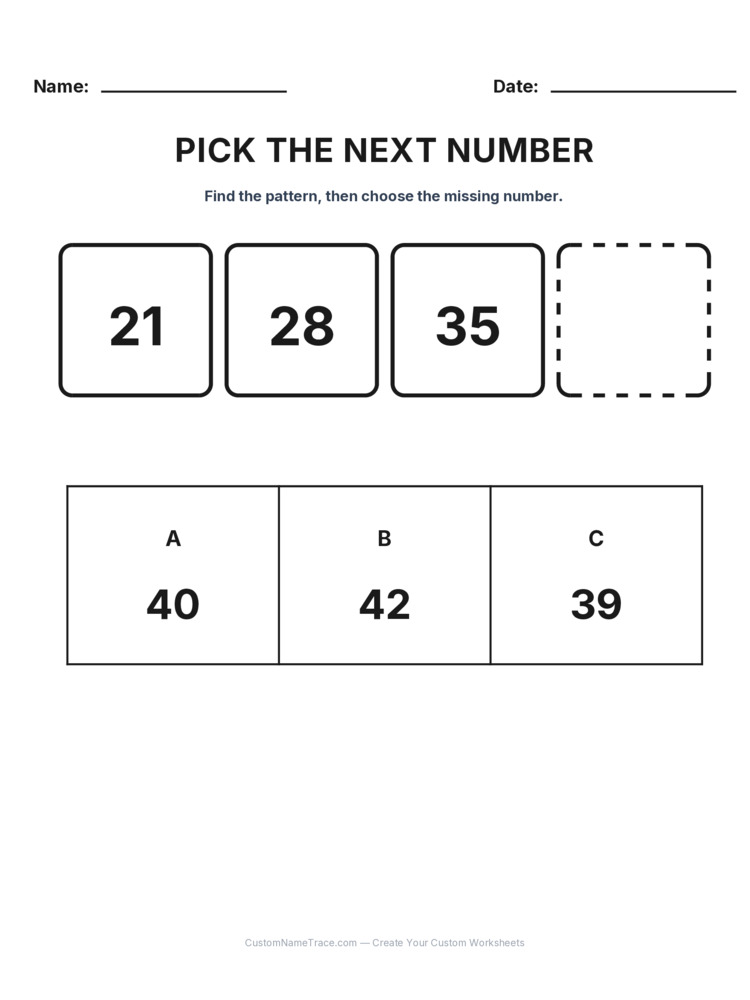
The same What Comes Next format from Grade 1 returns here with a wider number range and less obvious step sizes, so spotting the pattern takes a beat longer than a glance. The added difficulty is entirely in the numbers — the underlying reasoning (find the rule, apply it once more) is the same skill, deliberately, since Grade 2 is meant to deepen a Grade 1 skill rather than introduce an unrelated one.
Why Complete the Pattern matters as a bridge skill
A 2x2 grid is small enough for a Grade 2 child to reason through by trial and error if needed, but it's structured exactly like the much larger logic grids used in classic grid-logic puzzles and true Sudoku — cross-referencing a row's rule against a column's rule to fill in one missing cell. Getting comfortable with that cross-referencing move at 2x2 scale is what makes Grade 3's 4x4 Mini Sudoku approachable rather than overwhelming.
Number Pattern (Pick the Answer)
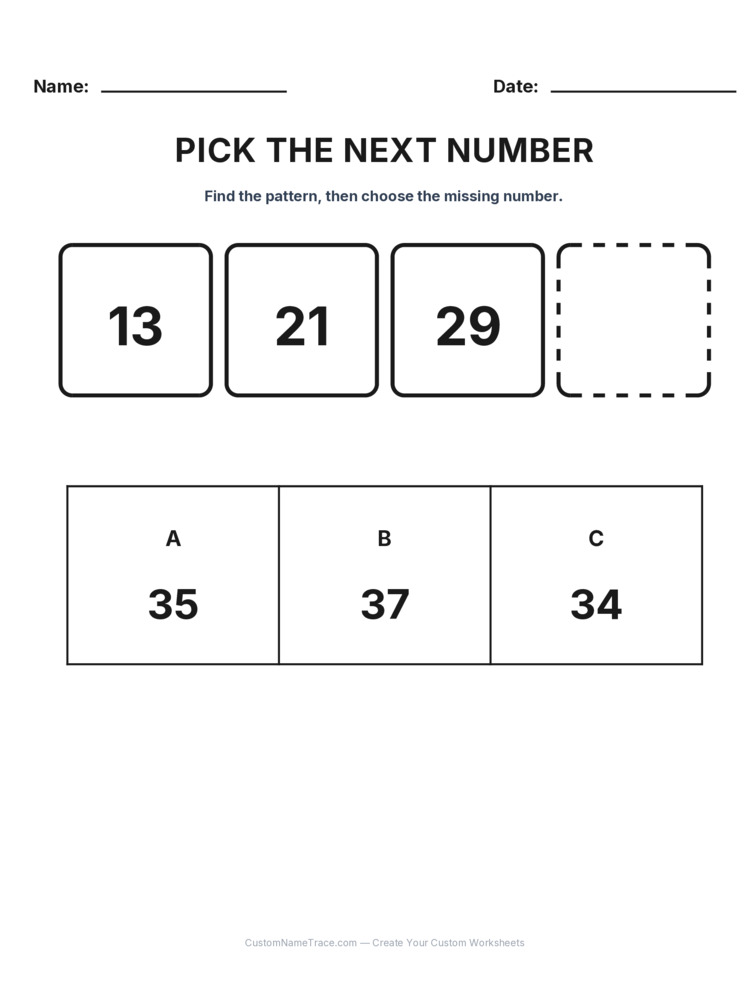
Number Pattern pairs naturally with Complete the Pattern — both show three lettered answer options instead of an open blank, but where Complete the Pattern reasons over shapes and colors, Number Pattern reasons over a numeric sequence with a harder step size than Grade 1's version. The wrong options are deliberately plausible (a repeated value, or a number reached by a slightly wrong step), so getting it right means actually confirming the rule holds, not just picking the number that looks closest to the pattern.