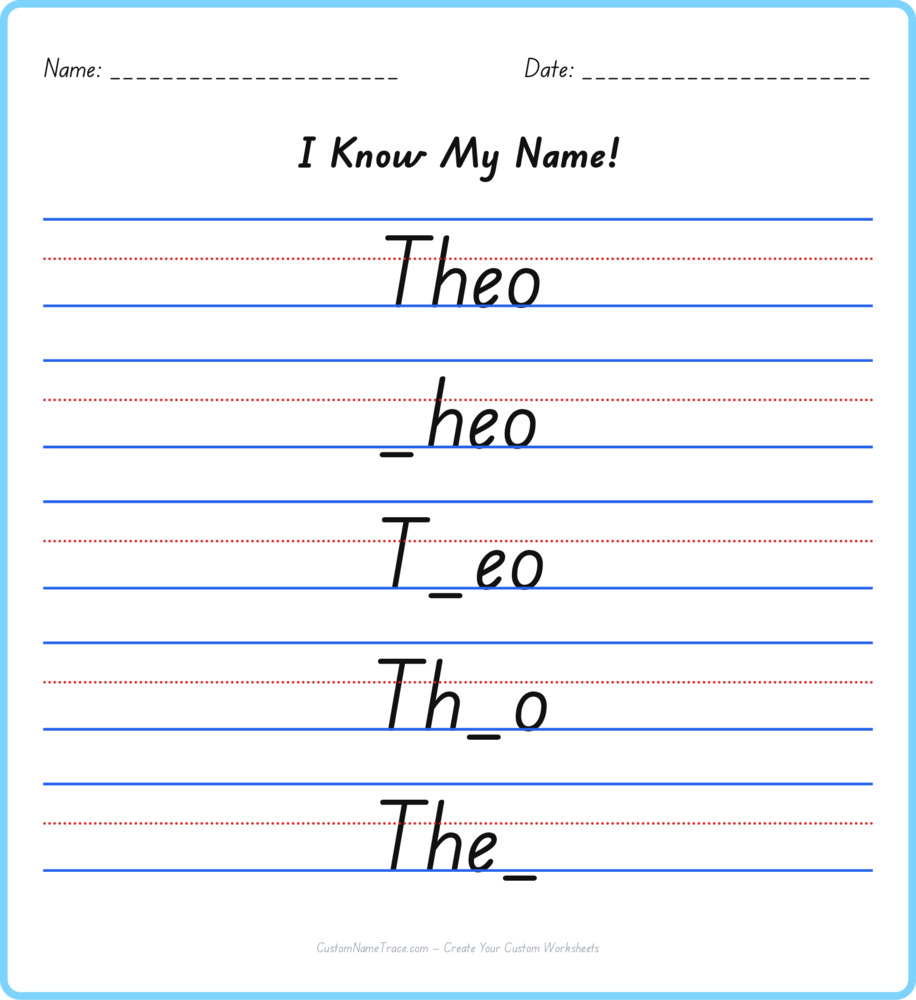
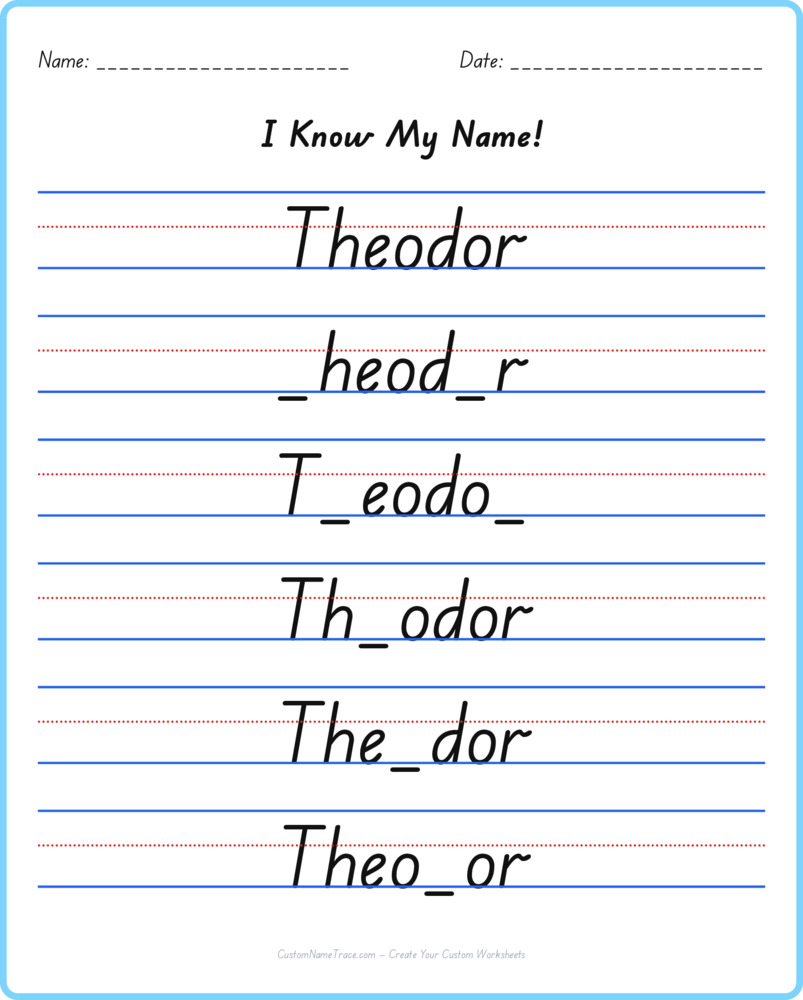
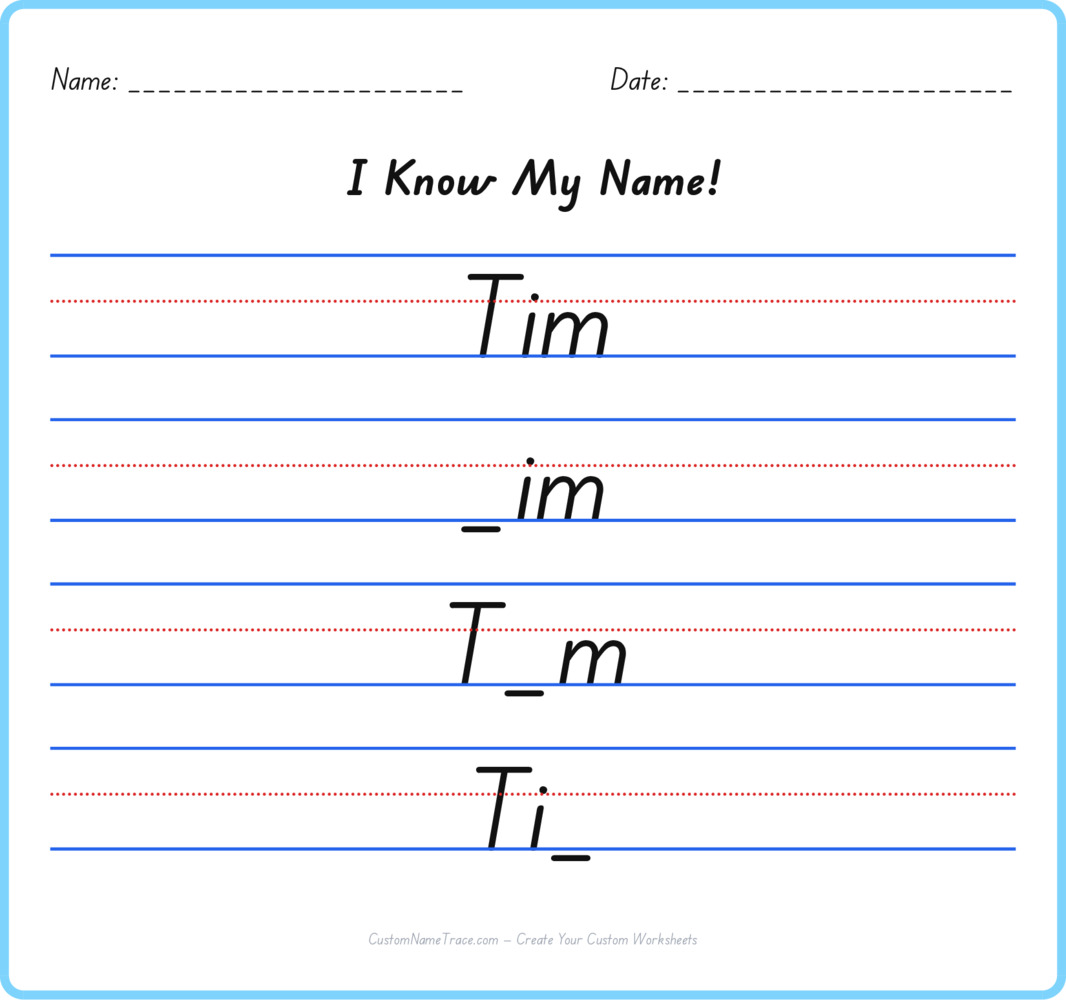
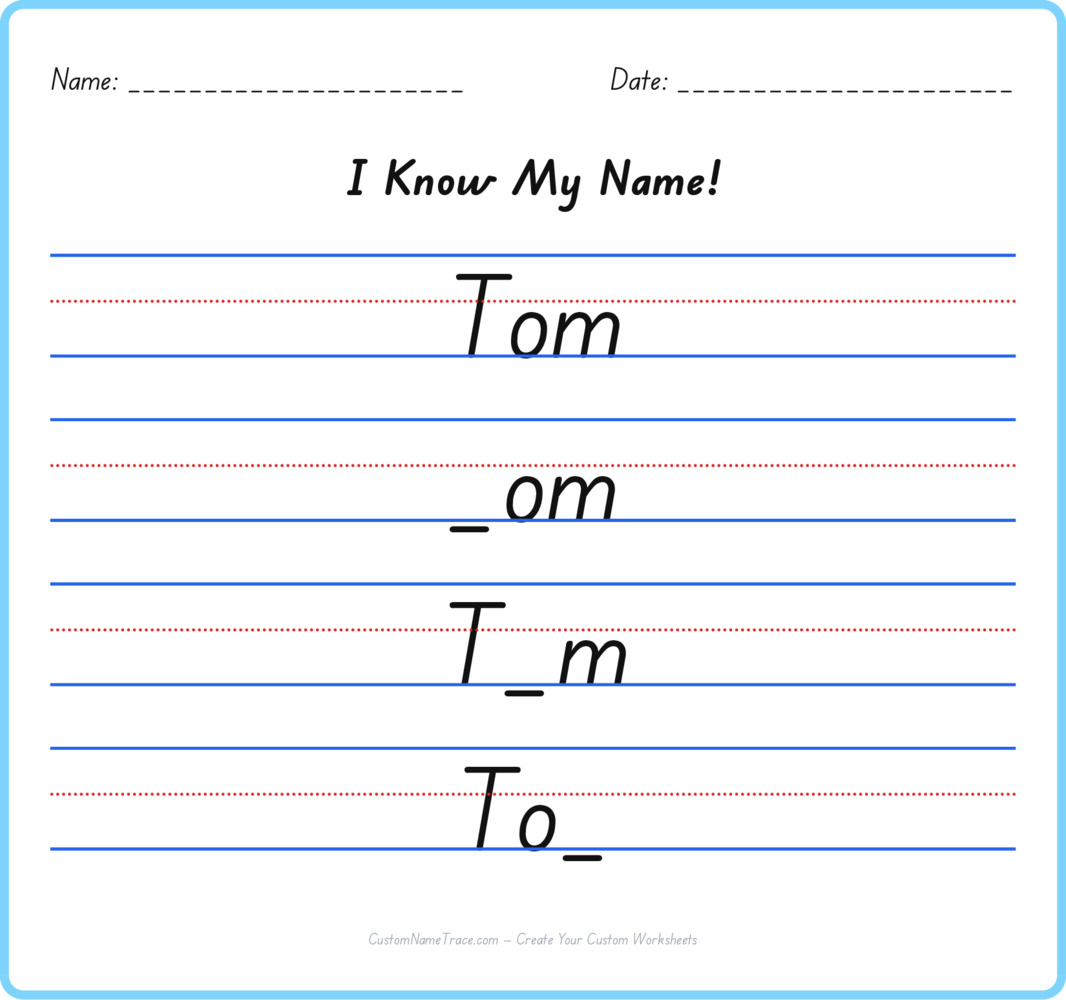
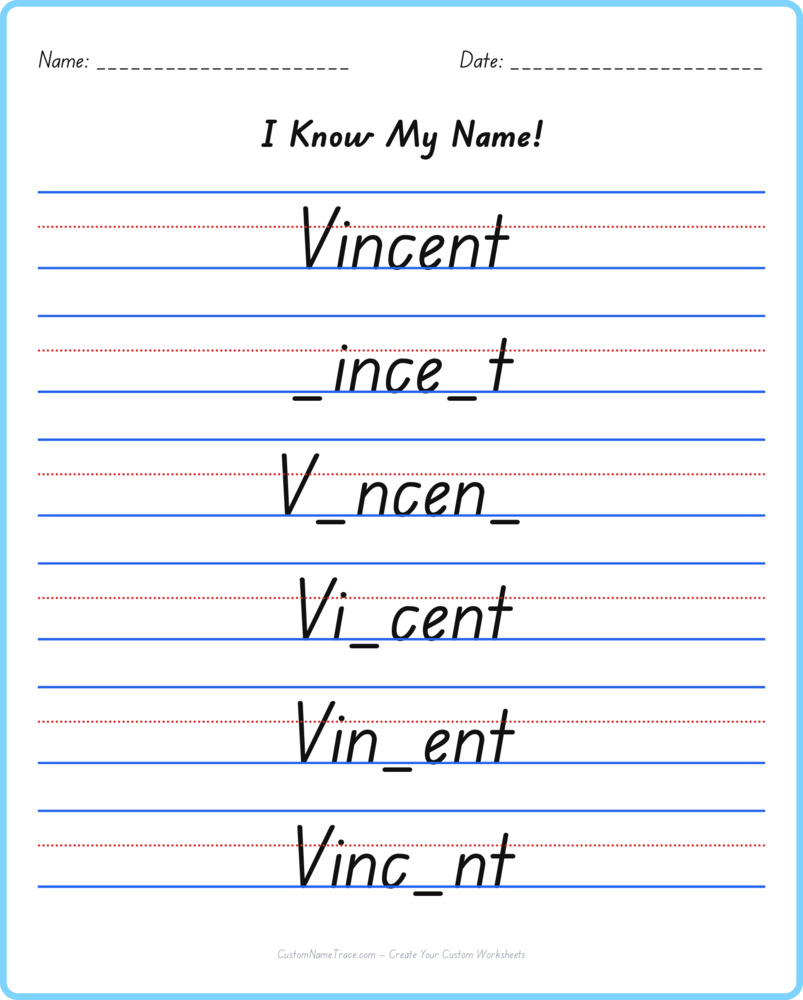
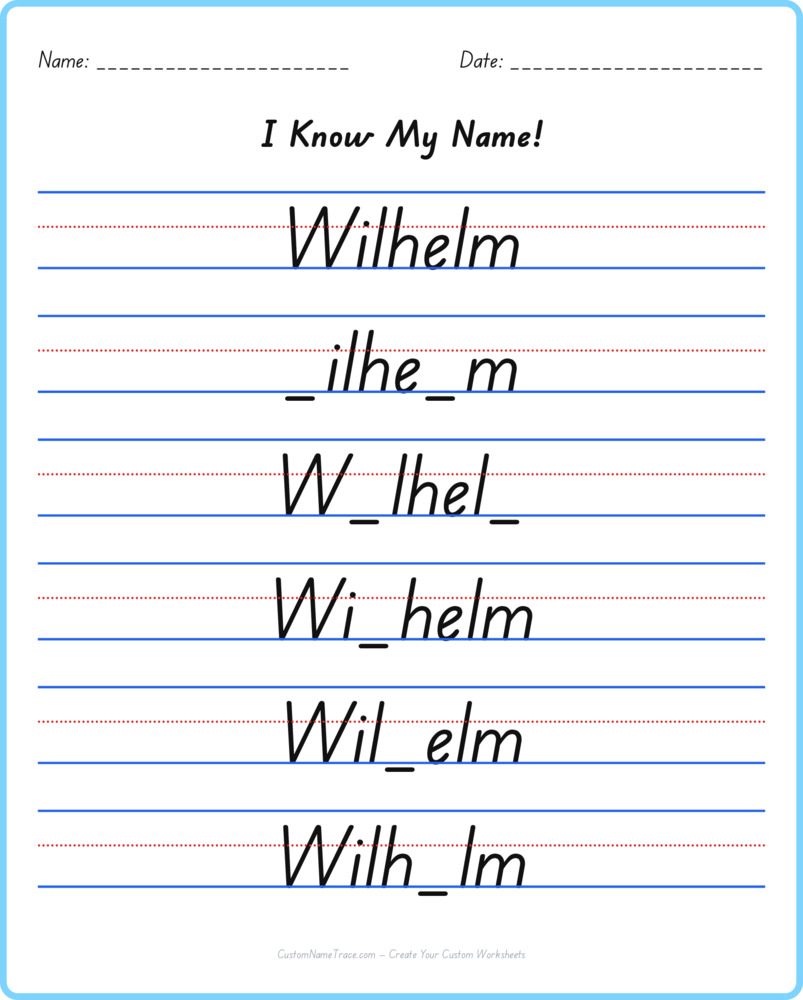
Spelling boy names from Germany by memory
German naming conventions have historically been more tightly regulated than in most countries — German law has long required a first name to clearly indicate the child's gender and be recognized as a legitimate given name, and names were traditionally checked against reference books before being officially registered. This kept unusual, invented, or gender-ambiguous names far less common in Germany than in places like the United States, though the rules have gradually relaxed in recent years as German society has become more open to international and blended-heritage names. Classic names that stay in steady, multi-generational use are a defining feature of German naming culture, and it's common for a name to remain popular for fifty years or more without the kind of rapid trend cycling seen in some other Western countries.
Each boy name here has some letters removed, asking a child to recall and fill them in rather than copy the name whole — a genuinely harder skill than this site's plain Germany boy name tracing pages.
Naming trends for boys in Germany
German boys' names favor short, classic Germanic forms — Finn, Elias, and Ben all rank highly — and Germany's naming law historically required a name to clearly indicate the child's gender, a legal backdrop that shaped conventions on both the boys' and girls' side for decades.
Using this with a boy's name
Tracing the full name a few times first, before trying the missing-letter version, gives the correct spelling a chance to feel familiar. For a classroom, the Teacher Worksheets tool builds one combined PDF from a pasted list.